
 By admin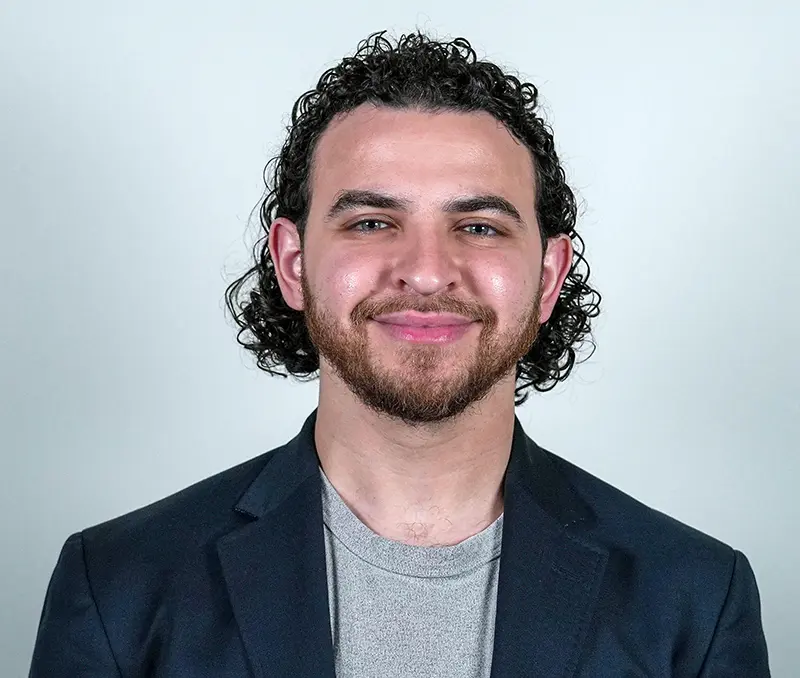
The national non-profit organization CureSearch for Children’s Cancer has officially announced the appointment of Osama Alsaleh to its Board of Directors, a strategic move intended to bridge the critical gap between pediatric medical research and the global venture capital ecosystem. Alsaleh, a prominent figure in healthcare innovation and strategic investment, joins the board at a pivotal moment as the organization seeks to diversify its approach to funding and developing life-saving treatments for children diagnosed with rare and aggressive malignancies. His extensive background, which spans high-level roles at Plug and Play Health, Oracle, and international NGOs, provides a unique intersection of technological expertise, regulatory insight, and philanthropic strategy.
As the current Head of Partnerships at Plug and Play Health—the healthcare arm of one of the world’s most active venture capital firms and global innovation platforms—Alsaleh has spent years fostering collaborations between early-stage startups and established healthcare institutions. His transition into a leadership role at CureSearch is expected to catalyze new pathways for pediatric drug development, an area historically underserved by traditional pharmaceutical investment models due to the relatively small patient populations and high risks associated with pediatric clinical trials.
A Career Defined by Innovation and Health Equity
Osama Alsaleh’s professional trajectory reflects a deep-seated commitment to leveraging technology for social good. Before his tenure at Plug and Play, Alsaleh held significant roles at Oracle Health, where he was instrumental in shaping the company’s approach to global health challenges. Most notably, he spearheaded the creation of Oracle’s health equity team. In this capacity, he developed strategies to address social determinants of health (SDoH), focusing on improving healthcare accessibility and outcomes for marginalized populations.
His influence at Oracle extended to financial stewardship through his work on the Oracle Charitable Foundation’s Clinical Decision Committee. During this period, he played a central role in the evaluation and allocation of more than $42 million in healthcare grants. This experience in identifying high-impact medical projects and managing substantial philanthropic portfolios aligns directly with CureSearch’s mission to fund research that has the highest potential for clinical translation.
Beyond the corporate sector, Alsaleh has served as a strategic advisor to some of the world’s most influential governmental and intergovernmental bodies. His resume includes collaborations with the World Bank Group and the World Health Organization (WHO), as well as advisory roles for the U.S. State Department and the White House COVID-19 Taskforce. In these roles, he provided guidance on regulatory compliance, quality reporting measures, and the implementation of large-scale healthcare initiatives, further establishing himself as a leader capable of navigating the complex regulatory landscape of the United States healthcare system.
Addressing the Pediatric Funding Discrepancy
The appointment of a venture capital and innovation expert comes at a time when the pediatric oncology community is highlighting a significant disparity in research funding. According to data from the National Cancer Institute (NCI), while cancer is the leading cause of death by disease for children in the United States, pediatric cancer research typically receives less than 4% of the NCI’s total annual budget. This "funding gap" is exacerbated in the private sector, where the high costs of drug development—often exceeding $2.5 billion per new molecular entity—frequently deter venture capital firms from investing in treatments for rare pediatric diseases.
Alsaleh has been vocal about this systemic issue, noting that pediatric innovations often remain on the periphery of mainstream investment cycles. "Throughout my work, I have consistently observed that innovations focused on pediatrics, particularly pediatric oncology, remain significantly underfunded and underrepresented within mainstream venture capital and innovation ecosystems," Alsaleh stated upon his appointment. He emphasized that his goal is to leverage his extensive network across startups, healthcare institutions, and technology firms to attract the resources and strategic partners necessary to move the needle on pediatric survival rates.
Chronology of Strategic Leadership and Organizational Growth
The inclusion of Alsaleh on the CureSearch board follows a decade of evolution for the organization. Founded as a means to support the Children’s Oncology Group, CureSearch has transitioned its focus toward "Catapult" grants and the "Acceleration Initiative," which specifically target the "Valley of Death"—the precarious gap between laboratory discovery and the start of clinical trials.
- 2010–2015: CureSearch refocuses its mission toward funding high-impact, translational research specifically designed to reach clinical trials within three years.
- 2016–2020: The organization increases its emphasis on industry partnerships, recognizing that academic research alone cannot bring a drug to market.
- 2021–2023: CureSearch expands its board to include experts from the pharmaceutical and biotech industries to better navigate the commercialization process.
- 2024: Osama Alsaleh is appointed, signaling a shift toward integrating venture capital methodologies and global innovation platforms into the non-profit’s strategic framework.
This chronology illustrates a clear trend: the professionalization of non-profit medical research. By bringing in leaders like Alsaleh, CureSearch is positioning itself not just as a grant-giving body, but as a sophisticated intermediary capable of de-risking pediatric research for private investors.
Official Responses and Strategic Vision
The leadership at CureSearch has expressed high expectations for the impact of Alsaleh’s appointment. Jared Brancazio, Chair of the CureSearch Board of Directors, highlighted the necessity of a multidisciplinary approach to solving the pediatric cancer crisis. "Osama brings a unique and highly valuable perspective to CureSearch," Brancazio said. "His ability to connect innovation, investment, and healthcare will help expand our reach and unlock new opportunities to advance critical research for children with cancer."
Industry analysts suggest that Alsaleh’s presence will likely influence how CureSearch evaluates potential research projects. With his background in venture capital, there may be an increased focus on the "scalability" and "investability" of research, ensuring that the projects funded by the non-profit are structured in a way that makes them attractive for future acquisition or licensing by larger pharmaceutical companies. This "exit strategy" for research is often the missing link in pediatric oncology, where many promising discoveries languish in academic labs for lack of a commercial partner.
Broader Impact and Industry Implications
The implications of this appointment extend beyond the internal operations of CureSearch. It reflects a broader trend in the "venture philanthropy" sector, where non-profits adopt the tactics of venture capital firms—such as rigorous due diligence, milestone-based funding, and active management of portfolios—to achieve social or medical goals.
For the pediatric cancer landscape, Alsaleh’s expertise in health equity is particularly relevant. While survival rates for some forms of childhood cancer, like Acute Lymphoblastic Leukemia (ALL), have reached nearly 90%, other forms, such as Diffuse Intrinsic Pontine Glioma (DIPG), remain almost universally fatal. Furthermore, access to the latest clinical trials is often limited by geography and socioeconomic status. Alsaleh’s previous work with the World Bank and Oracle’s health equity team suggests that CureSearch may increase its efforts to ensure that new treatments are not only discovered but are also accessible to diverse populations globally.
Moreover, his experience with the White House COVID-19 Taskforce and the CMS (Centers for Medicare & Medicaid Services) initiatives provides CureSearch with a direct line to understanding how federal policy impacts drug pricing and approval for pediatric therapies. As the FDA continues to implement the Research to Accelerate Cures and Equity (RACE) for Children Act, which requires companies developing adult cancer drugs to also test them in children if the molecular targets are relevant, Alsaleh’s regulatory acumen will be a critical asset.
Future Outlook
As CureSearch enters its next phase of growth, the integration of venture capital principles and technological innovation is expected to be a cornerstone of its strategy. The organization remains dedicated to its goal of ending childhood cancer by funding the most promising research wherever it exists. With Osama Alsaleh on the Board of Directors, CureSearch is better equipped to navigate the complexities of the 21st-century healthcare economy, ensuring that the next generation of treatments moves from the laboratory to the bedside with greater speed and efficiency.
The appointment is a call to action for the broader investment community to recognize pediatric oncology not just as a moral imperative, but as a field ripe for technological disruption and strategic partnership. By leveraging the networks of leaders like Alsaleh, CureSearch aims to prove that with the right combination of innovation, investment, and advocacy, the path to a cure for every child is within reach.
