
 By admin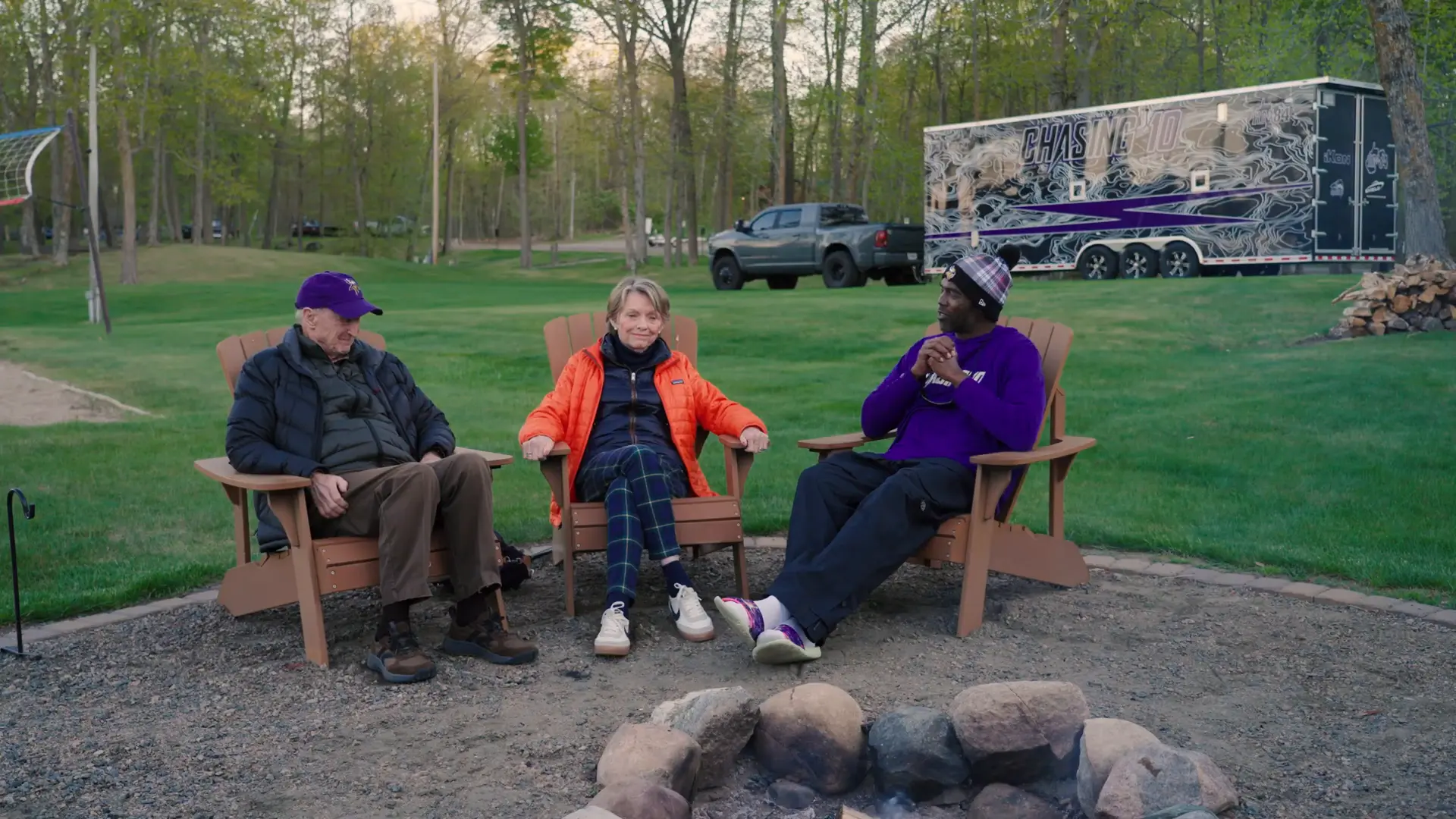
The intersection of professional sports and humanitarian advocacy often produces high-profile campaigns, but rarely does it uncover a foundational story as poignant as the one recently highlighted by NFL Hall of Famer Randy Moss. During a recent recording for "Chasing10," a digital series produced by the Children’s Cancer Research Fund (CCRF), Moss transitioned from an ambassador to a deeply moved participant as he explored the origins of one of the nation’s most influential pediatric cancer organizations. The narrative he discovered was not one of corporate boardrooms or multi-million dollar initial grants, but rather the selfless act of a 13-year-old girl named Katie Hageboeck, whose 1979 donation of $141 served as the catalyst for a movement that has since raised hundreds of millions of dollars for life-saving medical research.
The 1979 Catalyst: A Sacrifice for a Greater Cause
The history of the Children’s Cancer Research Fund is inextricably linked to the personal tragedy and subsequent resolve of the Hageboeck family. In 1979, the landscape of pediatric oncology was significantly more bleak than it is today. When Katie Hageboeck was diagnosed with leukemia, her condition was characterized by medical professionals at the University of Minnesota as exceptionally severe. Her mother, Diana Hageboeck, recalled that Katie presented with the highest white blood cell count the university’s specialists had ever recorded at the time.
In an era when long-term survival rates for many forms of childhood leukemia were still precarious, Katie’s diagnosis placed her at the center of a burgeoning medical frontier. Despite the physical and emotional toll of her treatment, Katie’s focus remained external. She had been diligently saving money for a specific goal: a red 10-speed bicycle, a prized possession for any teenager in the late 1970s. However, realizing the gravity of her illness and the needs of children sharing her plight, she made the decision to forgo the bicycle. She requested that her savings—totaling $141—be donated to a nascent fund dedicated to pediatric cancer research at the University of Minnesota.
This $141 gift became the symbolic and financial cornerstone of the Children’s Cancer Research Fund. While Katie succumbed to her illness, her contribution sparked a philanthropic flame that has burned for over four decades, transforming a local initiative into a national leader in the fight against childhood diseases.
Historical Context: Pediatric Oncology in the Late 20th Century
To understand the magnitude of Katie’s legacy, one must examine the state of cancer research during the period of her diagnosis. In the late 1970s, the medical community was just beginning to understand the genetic and molecular drivers of pediatric leukemia. At that time, the five-year survival rate for children diagnosed with cancer was approximately 50 percent. For certain aggressive forms of leukemia, the prognosis was even more dire.
The University of Minnesota, where Katie received her care, was already establishing itself as a pioneer in the field. It was the site of the world’s first successful human bone marrow transplant in 1968, led by Dr. Robert Good. By the time Katie was a patient, the institution was a hub for experimental therapies. However, research funding for pediatric-specific cancers was—and remains—a significant challenge. Unlike adult cancers, which often receive substantial federal and private sector investment due to the larger patient populations, pediatric cancer research frequently relies on grassroots organizations and private philanthropy to bridge the funding gap.
Katie’s gift arrived at a critical juncture, providing the initial momentum for a fund that would eventually support some of the most significant breakthroughs in the field, including advancements in bone marrow transplantation, immunotherapy, and precision medicine.
The "Chasing10" Initiative and Randy Moss’s Involvement
The modern iteration of this story involves Randy Moss, a figure synonymous with excellence in the National Football League. Moss’s involvement with CCRF through the "Chasing10" series aims to leverage his platform to bring renewed attention to the ongoing need for research funding. The series title, "Chasing10," reflects both a pursuit of excellence and a commitment to the ten percent of children with cancer who still do not have a path to a cure.
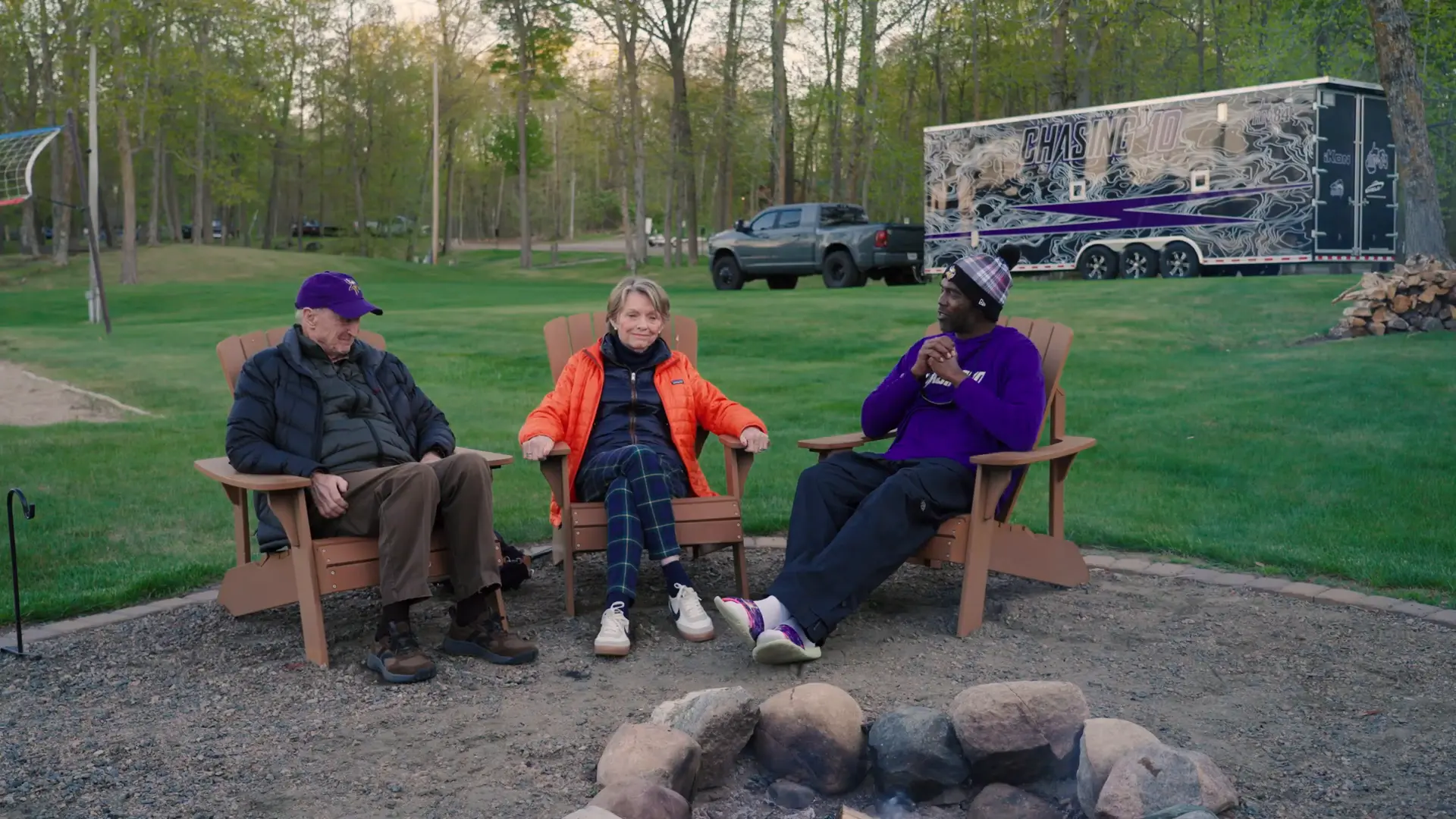
During his interaction with Diana Hageboeck, Moss was visibly affected by the direct line between a child’s $141 donation and the massive institutional infrastructure of CCRF today. "We’re not just chasing 10. We are chasing a cure. I’m part of this team now," Moss stated, signaling a long-term commitment to the cause. This partnership highlights the importance of celebrity advocacy in maintaining public awareness for medical issues that require sustained, multi-generational investment.
For Diana Hageboeck, the participation of figures like Moss is a fulfillment of Katie’s original vision. She noted that Katie would have been moved to see how her small gesture eventually "bonded" researchers, families, and high-profile advocates in a singular mission.
Supporting Data: The Impact of Philanthropy on Survival Rates
The efficacy of organizations like the Children’s Cancer Research Fund is best measured by the evolution of survival statistics and the proliferation of new treatment modalities. Since Katie’s donation in 1979, the progress has been measurable and profound:
- Survival Rates: The overall five-year survival rate for childhood cancer has risen from roughly 50% in the late 1970s to over 85% today. For Acute Lymphoblastic Leukemia (ALL), the most common form of childhood cancer, survival rates now exceed 90%.
- Funding Disparity: Despite these gains, pediatric cancer receives only about 4% of the National Cancer Institute’s (NCI) federal budget. This underscores the vital role of CCRF, which has contributed over $200 million to research and family support programs since its inception.
- Research Milestones: CCRF-funded researchers have been instrumental in developing "targeted" therapies that attack cancer cells while sparing healthy tissue, significantly reducing the long-term side effects that survivors often face.
The $141 that would have purchased a bicycle has, through decades of compound interest in the form of community giving, evolved into a financial engine that supports hundreds of scientists and clinical trials across the United States.
Institutional Growth and Broader Implications
What began as a fund at the University of Minnesota has expanded into a national entity that influences pediatric oncology policy and research priorities. The Children’s Cancer Research Fund now supports a diverse array of initiatives, including:
- Innovative Research Grants: Funding "high-risk, high-reward" projects that are often deemed too experimental for federal grants but hold the potential for paradigm-shifting breakthroughs.
- Family Support Services: Acknowledging that cancer affects the entire family unit, CCRF provides resources for siblings, psychological counseling, and financial assistance for families undergoing prolonged hospitalizations.
- Advocacy and Education: Working to increase federal funding and public understanding of the unique challenges associated with childhood cancers.
The broader implication of Katie’s story lies in the "multiplier effect" of individual philanthropy. In a modern economy where charitable giving is often dominated by large-scale foundations and "ultra-high-net-worth" individuals, the Hageboeck legacy serves as a reminder of the power of the small donor. It demonstrates that the origin of a multi-million dollar institution can be found in the modest savings of a child.
Conclusion: A Legacy of Hope and the Path Forward
More than forty-five years after Katie Hageboeck’s diagnosis, her spirit remains the guiding principle of the organization she inadvertently founded. The red 10-speed bicycle she never rode has become a symbol of the sacrifices made by families facing pediatric cancer and the potential of a single act of kindness to alter the course of medical history.
As Randy Moss and the CCRF team continue their "Chasing10" campaign, the focus remains on the "final frontier" of pediatric oncology: finding cures for the rarest and most resistant forms of the disease. The transition from 50% survival to over 85% was achieved through the type of innovative research Katie’s gift first funded. The goal now is to reach 100%.
The story of Katie Hageboeck is a testament to the fact that while medical science provides the tools to fight cancer, it is human compassion and individual legacy that provide the resources. Today, researchers at the University of Minnesota and across the country continue to work toward a future where no child has to choose between their dreams—like a red bicycle—and their life. For the Hageboeck family, the $141 was not a loss, but an investment in a future where "better is possible and a cure is within reach."
