
 By admin
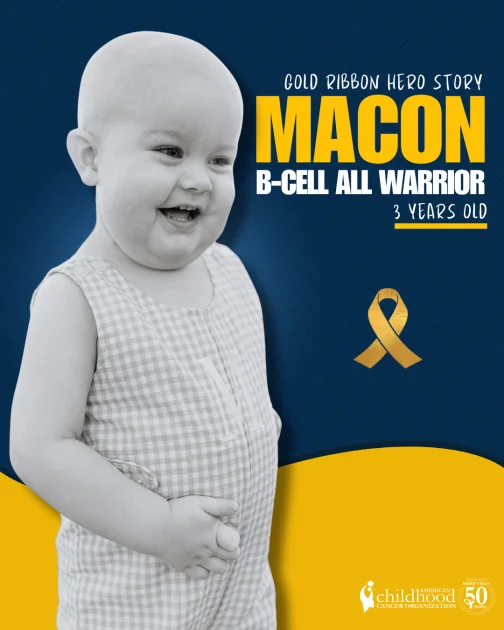
The Clinical Discovery: From Routine Checkup to Emergency Intervention
The diagnosis of B-Cell Acute Lymphoblastic Leukemia often occurs with little to no warning, as the symptoms can be subtle or entirely absent in the early stages. In Macon’s case, the discovery was made during a routine well-child visit, a scheduled appointment designed to monitor growth and administer standard screenings. During this visit, a routine finger-prick blood test—frequently used to check for anemia or lead levels—revealed an anomaly that immediately shifted the clinical focus. The pediatrician noted an exceptionally high white blood cell count, a primary indicator of leukemia, where the bone marrow produces an overabundance of immature lymphocytes that crowd out healthy blood cells.
Following the discovery of the elevated white blood cell count, Macon was referred immediately to a hospital for emergency diagnostic testing. The speed of the transition is a hallmark of pediatric oncology; because leukemia can progress rapidly in children, medical teams must move from suspicion to stabilization within hours. For Macon’s parents, the suddenness of the news was profound. Madeline, Macon’s mother, described the experience as a state of "shock, fear, and disbelief," noting that the child had appeared perfectly healthy and was asymptomatic prior to the blood test. This lack of symptoms is not uncommon in pediatric B-ALL, making routine medical surveillance a critical component of early detection.
Understanding B-Cell Acute Lymphoblastic Leukemia (B-ALL)
B-Cell Acute Lymphoblastic Leukemia is a type of cancer in which the bone marrow makes too many B-cell lymphocytes, a type of white blood cell. It is the most prevalent form of childhood cancer, accounting for approximately 75% to 80% of leukemia cases in children. The "acute" designation signifies that the leukemia can progress quickly and, if left untreated, would likely be fatal within months.
The disease affects the blood and bone marrow, interfering with the production of normal red blood cells, white blood cells, and platelets. While the exact cause of B-ALL in children remains a subject of intense scientific research, it is generally understood to result from genetic mutations in the stem cells of the bone marrow. However, these mutations are rarely inherited; rather, they occur spontaneously. Advances in genomic sequencing and risk-stratified therapy have significantly improved the prognosis for children like Macon. In the 1960s, the survival rate for childhood ALL was less than 10%; today, the five-year survival rate exceeds 90% at leading pediatric cancer centers.
Chronology of Treatment and Medical Complications
Macon’s treatment plan began almost immediately following his diagnosis. The standard protocol for B-ALL is divided into several distinct phases: induction, consolidation (or intensification), and maintenance. The primary goal of the induction phase is to achieve complete remission, defined as the absence of leukemia cells in the blood and bone marrow and the return of normal blood cell production.
Macon’s journey was complicated early on by a secondary medical crisis. To facilitate the delivery of intravenous chemotherapy and frequent blood draws, a central venous access device, or "port," was surgically implanted. However, Macon developed a serious staph infection in his bloodstream, a common but dangerous complication for immunocompromised oncology patients. This necessitated the removal of the original port and a second surgical placement once the infection was cleared.
Beyond the administration of systemic chemotherapy, Macon’s protocol included multiple lumbar punctures, also known as spinal taps. These procedures are essential for two reasons: first, to analyze the cerebrospinal fluid for the presence of leukemia cells, and second, to administer intrathecal chemotherapy directly into the spinal canal. This is a preventative measure to ensure that leukemia cells do not find a "sanctuary site" in the central nervous system, where systemic chemotherapy often cannot reach effectively.
Additionally, Macon underwent repeated bone marrow biopsies. These procedures involve the extraction of a small sample of bone and marrow, usually from the hip bone, to monitor the "Minimal Residual Disease" (MRD). The MRD level is the most significant predictor of relapse; it measures the small number of cancer cells that remain in the body during and after treatment, which are invisible under a standard microscope but detectable through highly sensitive laboratory tests.
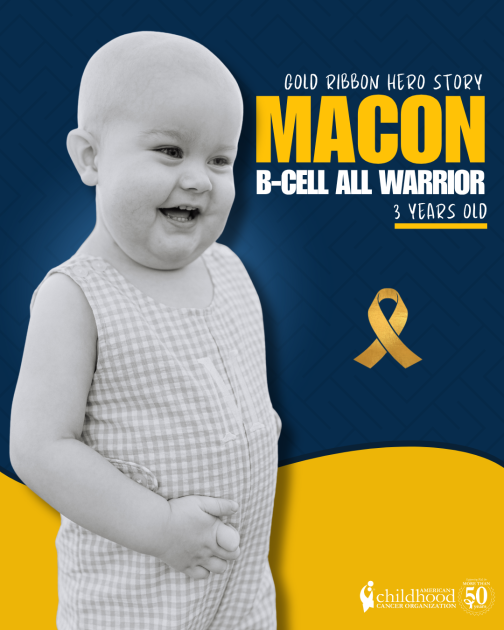
Current Status and the Path to Maintenance Therapy
As of the current reporting period, Macon has completed his first year of treatment. This milestone marks the transition from the most intensive phases of therapy into what is known as the maintenance phase. Maintenance therapy is designed to eliminate any lingering leukemia cells that might have survived the earlier, more intensive rounds of treatment.
According to his mother, Macon has demonstrated remarkable resilience throughout the process. Despite the toxicity of the drugs and the physical toll of the procedures, his weekly blood work indicates that there are currently no circulating leukemia cells. This suggests that the treatment is working as expected and that Macon is in a state of clinical remission.
The maintenance phase, while generally less intensive than the induction or consolidation phases, is notable for its duration. Macon is expected to remain in active treatment for a total of two and a half years. If his recovery continues on its current trajectory, he is scheduled to "ring the bell"—a ceremonial tradition in oncology wards signifying the end of active treatment—in May 2027.
The Broader Impact on Pediatric Support Systems
Macon’s story highlights the critical role of organizations like the American Childhood Cancer Organization (ACCO) and the broader support network required to sustain families through a multi-year cancer battle. The financial, emotional, and logistical burdens of pediatric cancer are extensive. Families must navigate a complex landscape of hospital stays, specialized nutrition, infection prevention, and the psychological impact of chronic illness on both the patient and their siblings.
Macon is described as a playful child who enjoys outdoor activities, riding toys, and spending time with his sister. Maintaining a sense of normalcy and play is considered a vital part of pediatric "supportive care," as it aids in the developmental and psychological well-being of the child during prolonged periods of medical isolation.
The case also underscores the necessity of continued advocacy and funding for pediatric-specific cancer research. While survival rates for ALL are high, the long-term effects of chemotherapy on developing bodies—ranging from cardiac issues to cognitive delays—remain a concern for survivors. Research into "targeted therapies" aims to reduce these long-term toxicities by attacking cancer cells more precisely without damaging healthy tissue.
Implications for Pediatric Healthcare
The suddenness of Macon’s diagnosis serves as a reminder to the medical community and parents alike regarding the importance of the "well-child" visit. These appointments are often perceived by the public as mere formalities for vaccinations, but as Macon’s case demonstrates, they are vital diagnostic opportunities. A simple, low-cost blood test was the catalyst for a life-saving intervention.
Furthermore, Macon’s experience with a staph infection illustrates the constant peril of neutropenia—a condition where a patient has low levels of neutrophils, a type of white blood cell that fights infection. In pediatric oncology, an infection can be as life-threatening as the cancer itself. The management of Macon’s infection required a coordinated effort between oncology and infectious disease specialists, highlighting the multidisciplinary nature of modern pediatric medicine.
As Macon continues his journey toward the May 2027 milestone, his progress will be monitored with a combination of clinical vigilance and hopeful optimism. His story is a testament to the efficacy of current medical protocols and the resilience of the youngest patients in the healthcare system. The phrase "kids can’t fight cancer alone" reflects the reality that a child’s survival depends on a massive infrastructure of medical expertise, familial devotion, and community support. Through continued research and awareness, the goal remains not only to increase survival rates but to ensure that survivors like Macon can lead long, healthy, and fulfilling lives after the "bell" has been rung.
