
 By Hendra Lukman
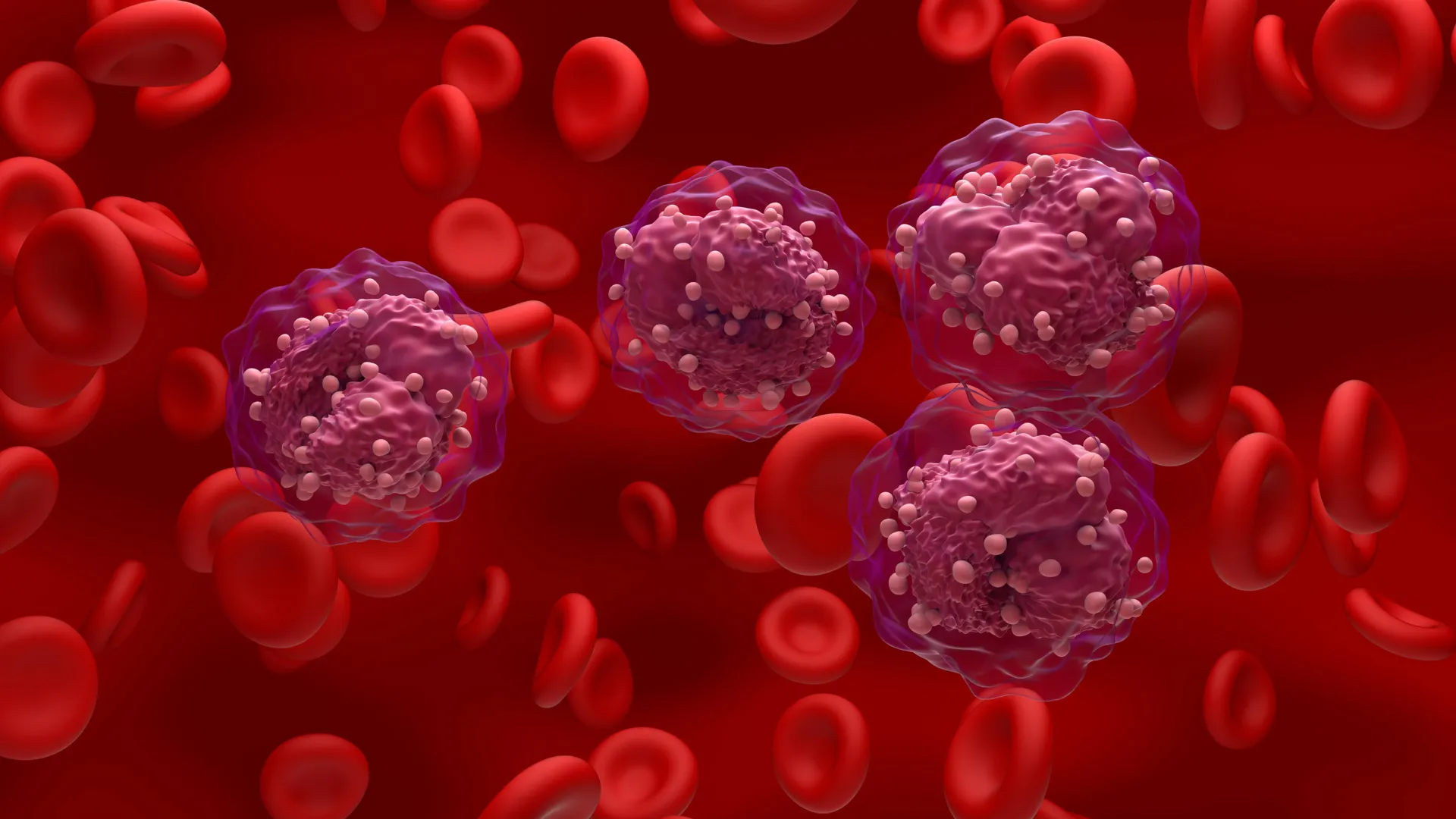
New findings from the phase 2 EVITA clinical trial, published in the American Cancer Society journal CANCER, suggest that daily oral vitamin C supplementation may offer significant benefits for individuals with precancerous blood conditions and early-stage blood cancers. The randomized, double-blind, placebo-controlled study, conducted by the Van Andel Institute-Stand Up To Cancer® Epigenetics Dream Team, provides compelling early evidence that correcting low vitamin C levels in these vulnerable patient populations could lead to improved health outcomes, including a notable survival advantage.
Key Findings and Potential Impact
The EVITA trial enrolled 109 patients diagnosed with either clonal cytopenia of undetermined significance (CCUS) or myelodysplastic syndrome (MDS). Both of these conditions are precursors to acute myeloid leukemia (AML), an aggressive and often difficult-to-treat blood cancer. The study revealed that patients receiving 1,000 mg of oral vitamin C daily for one year experienced fewer adverse events during the trial and its subsequent follow-up period. Furthermore, the supplementation led to changes in specific immune signaling molecules, known as cytokines, in a manner associated with more favorable prognoses. These alterations suggest that vitamin C could modulate inflammation-related processes that are implicated in the proliferation and advancement of abnormal blood cells.
While vitamin C did not significantly alter the rate at which abnormal blood cells expanded, a critical exploratory analysis uncovered a statistically significant improvement in survival. Participants who received vitamin C were substantially more likely to be alive after approximately three years of follow-up compared to those who received a placebo. This finding, while preliminary and requiring confirmation in larger studies, offers a beacon of hope for patients with limited treatment options.
A New Avenue for Cancer Interception
The research team, led by distinguished professor Peter A. Jones, Ph.D., D.Sc. (hon) from Van Andel Institute and co-leader of the VAI-SU2C Epigenetics Dream Team, expressed cautious optimism about the implications of their findings. "We are tremendously excited and cautiously optimistic that our results could one day translate into a simple way to improve care and outcomes for people with pre-leukemia disorders," stated Dr. Jones. He emphasized that this approach aligns with a growing focus on "cancer interception," a strategy aimed at intervening before cancer fully establishes itself.
The researchers are actively exploring the precise mechanisms by which vitamin C interacts with precancerous cells. A leading hypothesis is that vitamin C may help to restore normal epigenetic function in blood cells that are at risk of developing into leukemia. Epigenetics refers to changes in gene activity that do not involve alterations to the underlying DNA sequence, and disruptions in these processes are increasingly understood to play a crucial role in cancer development.
Dr. Jones further elaborated on the potential of this intervention: "We are working to build on the trial findings by exploring how exactly vitamin C interacts with pre-cancerous cells, including the idea that it may help restore normal epigenetic function in blood cells at risk of becoming leukemia." This focus on early intervention is particularly significant given the current lack of approved treatments that can definitively prevent CCUS from progressing to leukemia.
The EVITA Trial: Design and Methodology
The EVITA trial, a pioneering effort in its field, was the first randomized, double-blind, placebo-controlled study to investigate oral vitamin C supplementation specifically for patients with precancerous blood disorders or lower-risk myeloid cancers. Unlike earlier studies that often focused on intravenous vitamin C administration and solid tumors, EVITA evaluated a daily oral dose comparable to that found in many over-the-counter supplements. This approach aimed to assess the feasibility and efficacy of a readily accessible intervention.
The study was conducted across four reputable hospitals: Copenhagen University Hospital-Rigshospitalet, Copenhagen University Hospital-Herlev, Aalborg University Hospital, and Keck Hospital of the University of Southern California. This international collaboration ensured a diverse patient cohort and robust data collection.
The trial design employed a double-blind, placebo-controlled methodology. This rigorous approach, considered the gold standard in clinical research, ensures that neither the participants nor the clinical staff administering the treatment are aware of who is receiving the active vitamin C supplement and who is receiving the placebo. This blinding minimizes potential bias in patient reporting of symptoms and in the assessment of outcomes by researchers, leading to more objective and reliable results.
Participants were randomly assigned to one of two groups. The intervention group received 1,000 mg of vitamin C orally each day for a duration of 12 months. The control group received a placebo that was meticulously designed to be indistinguishable from the vitamin C supplement in terms of appearance, taste, and smell, but contained no active vitamin C.
Addressing Vitamin C Deficiencies in the Patient Population
A critical aspect of the EVITA trial involved monitoring participants’ vitamin C levels through regular blood sample analysis. This monitoring was crucial for determining whether supplementation effectively corrected pre-existing deficiencies and for understanding the impact of these corrections on patient health.
The initial assessment revealed a significant finding: more than half of the enrolled participants exhibited insufficient vitamin C levels at the commencement of the trial. This underscores a common issue within patient populations facing chronic health challenges, where nutritional deficiencies can exacerbate existing conditions. For those assigned to the vitamin C supplementation group, blood concentrations of the nutrient returned to normal levels after they began taking the supplement, confirming its efficacy in addressing these deficiencies.
The availability of an accessible intervention like oral vitamin C is particularly vital for patients with conditions that carry a risk of progressing to leukemia. In many of these cases, the standard medical approach involves careful monitoring of disease progression without a definitive preventative treatment.
Dr. Casey O’Connell, M.D., FACP, the Lawrence and Jane Kelly Chair in Hematology at the University of Southern California and lead clinician at USC’s trial location, highlighted the frustration often associated with this "watch and wait" strategy. "The standard approach for patients with pre-cancer blood disorders is to monitor their blood cell counts over time. This is, understandably, very frustrating—no one wants to hear that they have a condition that increases leukemia risk but there’s nothing that can be done other than watch and wait," Dr. O’Connell explained. She added, "The EVITA trial took on this challenge by exploring vitamin C’s potential to address the underlying factors that drive leukemia development."
The Scientific Rationale: Vitamin C and Epigenetic Regulation
The potential role of vitamin C in cancer development and treatment has been a subject of scientific inquiry for over seven decades. However, for a considerable period, research yielded inconsistent findings, partly due to variations in experimental methodologies and a less complete understanding of vitamin C’s biological functions.
In the past decade, advancements in research technologies have illuminated vitamin C’s profound impact beyond its well-known roles in immunity and nutrition. Scientists have uncovered its crucial involvement in regulating gene activity and guiding normal cell development through epigenetic mechanisms.
A particularly significant discovery pertains to TET2, an enzyme that acts as a critical gatekeeper against cancerous growth by controlling the "on" or "off" state of specific genes. Vitamin C is essential for the optimal activity of TET2, thereby maintaining normal patterns of gene regulation. Mutations in the TET2 gene are frequently observed in leukemia and related blood disorders. When TET2 function is compromised, abnormal cells can acquire a survival and proliferative advantage, potentially leading to the development of cancer.
Preclinical studies using cancer models have further supported the protective effects of vitamin C. These investigations demonstrated that vitamin C supplementation could interfere with cellular abnormalities associated with cancer and slow the progression of leukemia. Notably, these effects were most pronounced when vitamin C was introduced at an early stage, before cancer had become fully established. This observation was instrumental in inspiring the concept of utilizing vitamin C as an early intervention strategy, targeting the precancerous biological changes that precede leukemia.
Timeline of Research and Future Directions
The EVITA trial was not an isolated endeavor but rather a culmination of prior research and strategic planning by the Van Andel Institute-Stand Up To Cancer® Epigenetics Dream Team.
2016: Prior to launching the larger EVITA trial, the VAI-SU2C Epigenetics Dream Team conducted a pilot clinical study. The primary objective of this initial study was to ascertain whether taking vitamin C orally could effectively increase its concentration in the blood. The positive outcomes of this pilot study provided crucial validation for the oral administration route and offered a foundational basis for subsequent research.
2017: Encouraged by the pilot study’s results, the researchers initiated the phase 2 EVITA trial. This larger study was designed to rigorously evaluate the efficacy and safety of daily oral vitamin C supplementation in patients with precancerous blood disorders and early-stage blood cancers.
"This early work was critical because it offered a foundation from which to develop the present trial," commented Stine Ulrik Mikkelsen, M.D., Ph.D., the study’s first author and a clinician researcher in Dr. Grønbæk’s laboratory. "Vitamin C is important because it is involved in a range of biological functions, including the activity of enzymes that regulate normal cell function."
Present: The EVITA trial’s findings, published in CANCER, have generated considerable interest. Researchers are continuing to analyze the extensive data collected during the trial to gain a deeper understanding of the biological processes that might underpin the observed survival benefits in patients receiving vitamin C.
Official Statements and Expert Commentary
The promising results of the EVITA trial have been met with enthusiasm from the scientific and medical communities involved.
Kirsten Grønbæk, M.D., Ph.D., a leading hematologist, professor at the University of Copenhagen, and member of the VAI-SU2C Epigenetics Dream Team, expressed optimism about the future research trajectory. "These exciting preliminary findings lay the groundwork for a larger clinical trial to explore vitamin C as a possible way to improve patient outcomes," she stated. Dr. Grønbæk cautioned, however, that "It is too early to make definitive recommendations based on our results, but we are hopeful that a more expansive study will provide further insights."
The collaborative nature of this research is highlighted by the contributions of numerous scientists and clinicians. Other authors on the study include Ali Al-Mousawi, M.D., Amalie Bach Puglisi, M.D., Anders Pommer Vallentin, M.D., Astrid Østergaard Mortensen, Heidi Naomi Ottesen, Linn Gillberg, M.Sc., Ph.D., Morten Tulstrup, M.D., M.Sc., Ph.D., Jakob Werner Hansen, M.D., Ph.D., and Mette Klarskov Andersen, M.D., D.MSc., all affiliated with the University of Copenhagen and Copenhagen University Hospital-Rigshospitalet.
From Van Andel Institute, contributing authors include Zachary Madaj, M.S., Toshinori Hinoue, Ph.D., Stacey L. Thomas, Ph.D., Christine N. Isaguirre, Ryan D. Sheldon, Ph.D., Marie Adams, M.S., Ryan Burgos, and Peter W. Laird, Ph.D. The University of Copenhagen and Copenhagen University Hospital-Rigshospitalet were further represented by Jakob Schmidt Jespersen, M.Sc., Ph.D., Niels Richard Hansen, M.Sc., and Jens Lykkesfeldt, Ph.D., D.MSc. Stephen Baylin, M.D., from Johns Hopkins University and Van Andel Institute, also played a key role. Additional contributions came from Bo Kok Mortensen, M.D., Ph.D., of Copenhagen University Hospital-Rigshospitalet and Copenhagen University Hospital-Herlev, and Marianne Tang Severinsen, M.D., Ph.D., of Aalborg University Hospital.
Broader Implications and Future Research
The findings from the EVITA trial have significant implications for the management of precancerous blood disorders and early-stage blood cancers. The potential for a simple, orally administered supplement to offer a survival benefit represents a paradigm shift in how these conditions might be addressed.
The current standard of care for many of these conditions, as noted by Dr. O’Connell, involves passive monitoring. The prospect of an active intervention that could potentially mitigate risk and improve longevity is profoundly impactful for patients and their families.
Analysis of Implications:
- Accessibility and Cost-Effectiveness: Oral vitamin C is generally inexpensive and widely available, making it a potentially cost-effective intervention compared to more complex or novel cancer therapies. This could be particularly beneficial in healthcare systems with resource constraints.
- Focus on Prevention and Interception: The study reinforces the growing emphasis on preventative strategies and early intervention in cancer care. By targeting the biological underpinnings of cancer development at its earliest stages, the aim is to prevent the disease from progressing to a more aggressive and harder-to-treat form.
- Understanding Vitamin C’s Multifaceted Role: The research deepens our understanding of vitamin C’s complex role in cellular health, extending beyond basic nutrition and immunity to encompass critical epigenetic regulation pathways vital for preventing malignant transformation.
Next Steps:
The researchers acknowledge that these findings are preliminary and that further validation is essential. The next logical step in this line of research is the initiation of larger, multi-center phase 3 clinical trials. These trials will aim to definitively confirm the survival benefit observed in the EVITA study, further elucidate the mechanisms of action, and establish optimal dosing and treatment durations.
The success of the EVITA trial has been supported by crucial funding from Van Andel Institute through the Van Andel Institute-Stand Up To Cancer® Epigenetics Dream Team, the Danish Cancer Society, and Greater Copenhagen Health Science Partners. This financial support has been instrumental in advancing this promising area of research.
In conclusion, the EVITA trial represents a significant stride in the ongoing effort to find effective interventions for precancerous blood disorders and early-stage blood cancers. While more research is undoubtedly needed, the preliminary results regarding vitamin C supplementation offer a tangible reason for optimism, paving the way for potentially life-saving advancements in patient care.
