
 By Suherman Candra Maholtra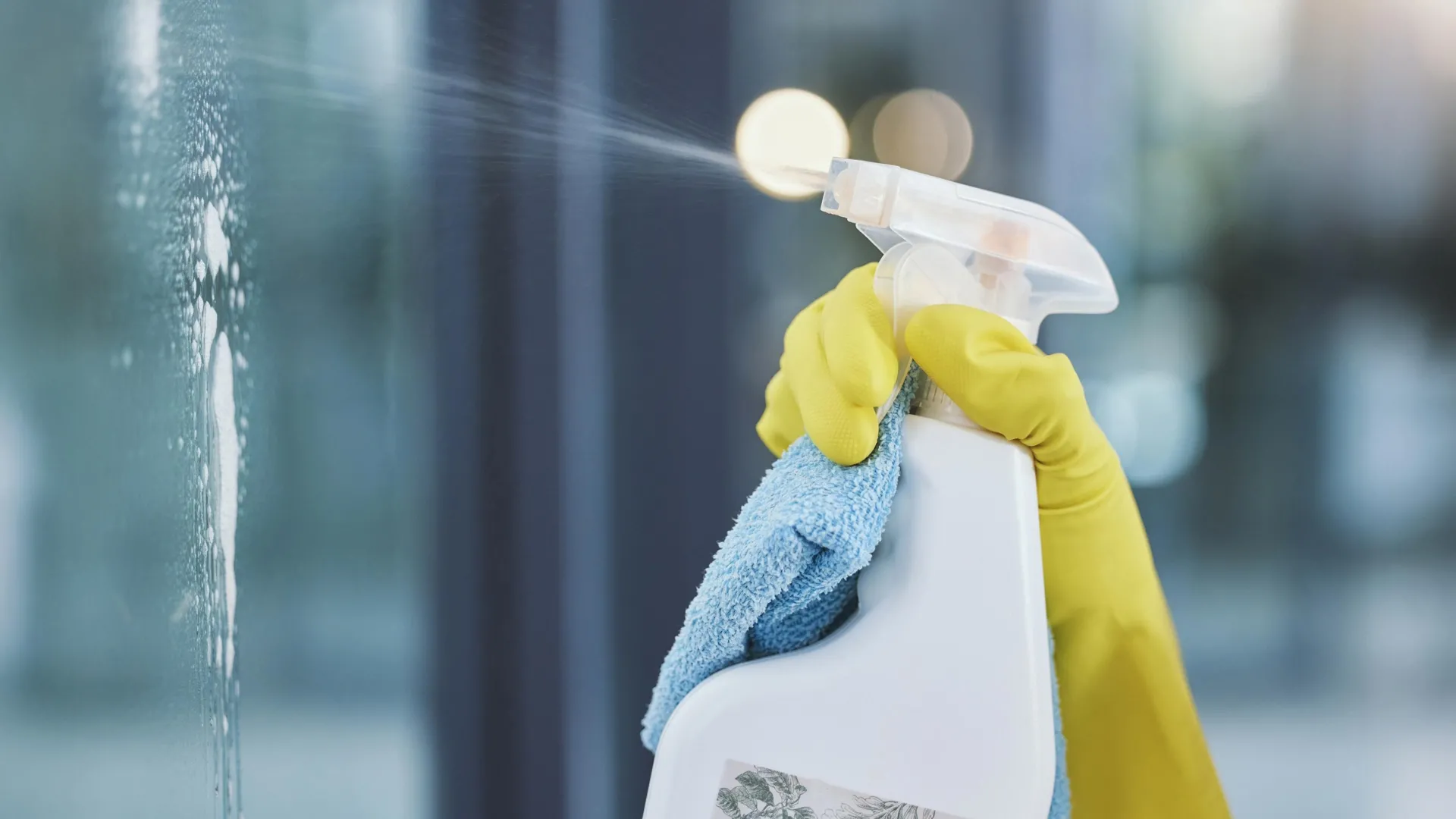
The pervasive association between a pleasant aroma and a hygienic environment is being challenged by new atmospheric chemistry research. While the scent of citrus, pine, or lavender often provides a psychological sense of security regarding the cleanliness of an indoor space, these fragrances are increasingly recognized as precursors to complex chemical reactions. Recent findings presented at the American Chemical Society (ACS) fall meeting suggest that the very products used to sanitize our homes and offices may be inadvertently generating significant levels of invisible air pollution in the form of nanoparticles.
Led by Brandon Boor, an Associate Professor of Civil and Construction Engineering at Purdue University, the research highlights a hidden trade-off in modern hygiene practices. While cleaning effectively removes biological threats such as viruses and bacteria from surfaces, the volatile organic compounds (VOCs) released during the process can react with indoor ozone to produce ultrafine particles. These particles, often measuring between 1 and 30 nanometers, are small enough to bypass the body’s natural filtration systems and settle deep within the respiratory tract.
The Chemistry of "Clean" Scents
The primary culprits in this indoor chemical transformation are terpenes—a class of organic compounds found in the essential oils of many plants. Terpenes such as limonene (associated with citrus), pinene (pine), thymol (thyme), and linalool (lavender) are staples of both conventional and "green" or botanical cleaning products. In nature, these compounds are released by forests and can contribute to cloud formation through complex atmospheric reactions. However, when concentrated within the four walls of a building, their behavior changes dramatically.
Boor’s research, conducted alongside colleague Nusrat Jung and a team of graduate students, utilized a "model home" on the Purdue campus to simulate real-world cleaning scenarios. This facility, equipped with a functional kitchen, bathroom, and standard flooring, allowed researchers to monitor air chemistry in real-time as routine tasks like mopping and surface wiping were performed.
The results were startling. The team found that indoor terpene concentrations during cleaning can surge to levels tens or even hundreds of times higher than those typically found in a natural forest environment. When these high concentrations of terpenes encounter ozone—a gas that enters buildings from the outdoors or is generated by certain electronic devices—a rapid oxidation process begins. This reaction triggers "nucleation," where gas molecules cluster together to form solid or liquid nanoparticles.
Nanoparticle Formation: A Rapid and Invisible Process
One of the most significant findings of the Purdue study is the sheer volume and speed of particle formation. According to the data presented at the "Healthy Indoor Spaces: Bridging the Microbiome and Chemistry" symposium, routine cleaning can generate billions, and in some cases trillions, of nanoparticles within minutes.
"By the time you finish cleaning up an indoor space, you’ve already formed a lot of nanoparticles and inhaled them," Boor noted. Unlike smoke or dust, which can be seen or smelled when concentrated, these secondary organic aerosols are entirely invisible to the naked eye. Furthermore, because most consumer-grade air quality monitors are designed to detect larger particles (PM2.5 or PM10), they often fail to register the presence of these ultrafine pollutants. This creates a false sense of security for occupants who may believe their air is pristine because their sensors show "green" or low PM levels.
The researchers observed nucleation rates of approximately 100,000 particles per cubic centimeter per second. Perhaps more concerning was the growth rate of these particles; they were found to expand at rates of up to 300 nanometers per hour. This rapid growth allows the particles to reach sizes that are particularly efficient at depositing throughout the human respiratory system, from the primary airways down to the alveolar regions of the lungs.
Comparing Indoor Exposure to Outdoor Pollution
To provide context for the severity of this indoor pollution, Boor compared the inhalation dose to outdoor environments. The research indicates that the respiratory dose of nanoparticles experienced during a standard cleaning session with scented products can be comparable to, or even exceed, the dose received by standing next to a busy highway during peak traffic hours.
While the chemical composition of indoor nanoparticles differs from the combustion-based particles found in vehicle exhaust, the physical impact on the lungs can be similar. Ultrafine particles are known to trigger oxidative stress and inflammation. Because of their minute size, there is also evidence suggesting that some of these particles can translocate from the lungs into the bloodstream, potentially affecting other organ systems.
This comparison shifts the traditional narrative of air pollution. While public health efforts have historically focused on outdoor air quality and industrial emissions, the Purdue study underscores that for many people, the most significant daily exposure to pollutants may occur within their own homes, driven by the products they choose for health and comfort.
The Pandemic Catalyst and the Rise of Disinfection
The impetus for this research grew out of the COVID-19 pandemic. As global health authorities emphasized the importance of surface disinfection to curb the spread of the virus, the use of cleaning agents plummeted to unprecedented levels. Boor and Jung observed that the market was flooded not only with traditional bleach-based cleaners but also with botanical-based "natural" disinfectants.
The study found that botanical products are not necessarily safer for indoor air quality than conventional ones. Because botanical cleaners often rely heavily on concentrated essential oils, they can release even higher levels of reactive terpenes than their synthetic counterparts. This "green" paradox suggests that consumers seeking to avoid harsh chemicals may be inadvertently increasing their exposure to secondary aerosol pollution.
The research also looked at the intersection of cleaning products and emerging disinfection technologies, such as germicidal far-UV (UV-C) lamps. These lamps are increasingly installed in HVAC systems or used as standalone units to deactivate airborne pathogens. However, UV-C light interacts with oxygen molecules in the air to produce ozone. When these lamps are operated in a space where scented cleaners have recently been used, the elevated ozone levels act as a catalyst, significantly intensifying the production of nanoparticles. In the Purdue model home, ozone concentrations rose to 20–40 parts per billion during these experiments, creating an environment ripe for intense chemical reactions.
Implications for Public Health and Building Management
The findings have broad implications for architects, building managers, and the general public. As modern buildings become more airtight to improve energy efficiency, the "exchange rate" of indoor air with fresh outdoor air often decreases. This lack of ventilation allows indoor-generated pollutants to linger and concentrate.
Health experts suggest that chronic exposure to these cleaning-related nanoparticles could be a contributing factor to "sick building syndrome" and the rising rates of asthma and other respiratory conditions in urban populations. Children, the elderly, and individuals with pre-existing lung conditions are particularly vulnerable to the inflammatory effects of ultrafine particles.
From a policy perspective, the research may eventually lead to stricter labeling requirements for cleaning products. Currently, manufacturers are not always required to disclose the specific fragrance compounds used in their formulations. Greater transparency would allow consumers to identify products with high terpene content. Furthermore, the study suggests that "clean air" standards for indoor environments need to evolve to include ultrafine particles and the chemical precursors that create them.
Practical Recommendations for Consumers
Despite the risks identified, Professor Boor and his team are not advocating for a cessation of cleaning. The removal of pathogens from surfaces remains a vital component of public health. Instead, the focus is on "informed cleaning"—minimizing secondary pollution while maintaining hygiene.
The research team offers several evidence-based strategies to reduce exposure:
- Switch to Unscented Products: The simplest way to prevent terpene-related reactions is to use fragrance-free cleaners. If a product does not have a scent, it is far less likely to release the reactive VOCs that lead to nanoparticle formation.
- Enhance Ventilation: When cleaning, especially with scented products, it is crucial to increase airflow. Opening windows or using high-power exhaust fans can help dilute terpene concentrations and flush out newly formed particles before they can be inhaled.
- Avoid Ozone Sources: Consumers should be cautious about using air purifiers that intentionally generate ozone ("ionizers") or germicidal UV lamps in conjunction with scented cleaning agents.
- Timing of Occupancy: In office or school settings, cleaning should ideally occur when the building is unoccupied, and ventilation systems should be run at maximum capacity for a period after cleaning is completed to clear the air.
Conclusion and Future Research
The Purdue University study serves as a critical reminder that the indoor environment is a dynamic chemical reactor. The "smell of clean" is not a sign of purity, but rather a signature of chemical volatility. As the scientific community continues to bridge the gap between microbiology and indoor chemistry, the definition of a "healthy space" is being redefined.
Future research in this field will likely delve deeper into the long-term health effects of specific secondary organic aerosols and explore how different building materials—such as carpets versus hardwood—might absorb or re-emit these reactive compounds. For now, the message from the laboratory is clear: clean air should not smell like a lemon grove or a pine forest; it should, ideally, smell like nothing at all. By prioritizing ventilation and choosing unscented products, the public can maintain the benefits of a sanitized home without the invisible burden of nanoparticle pollution.
