
 By Gilang Cahya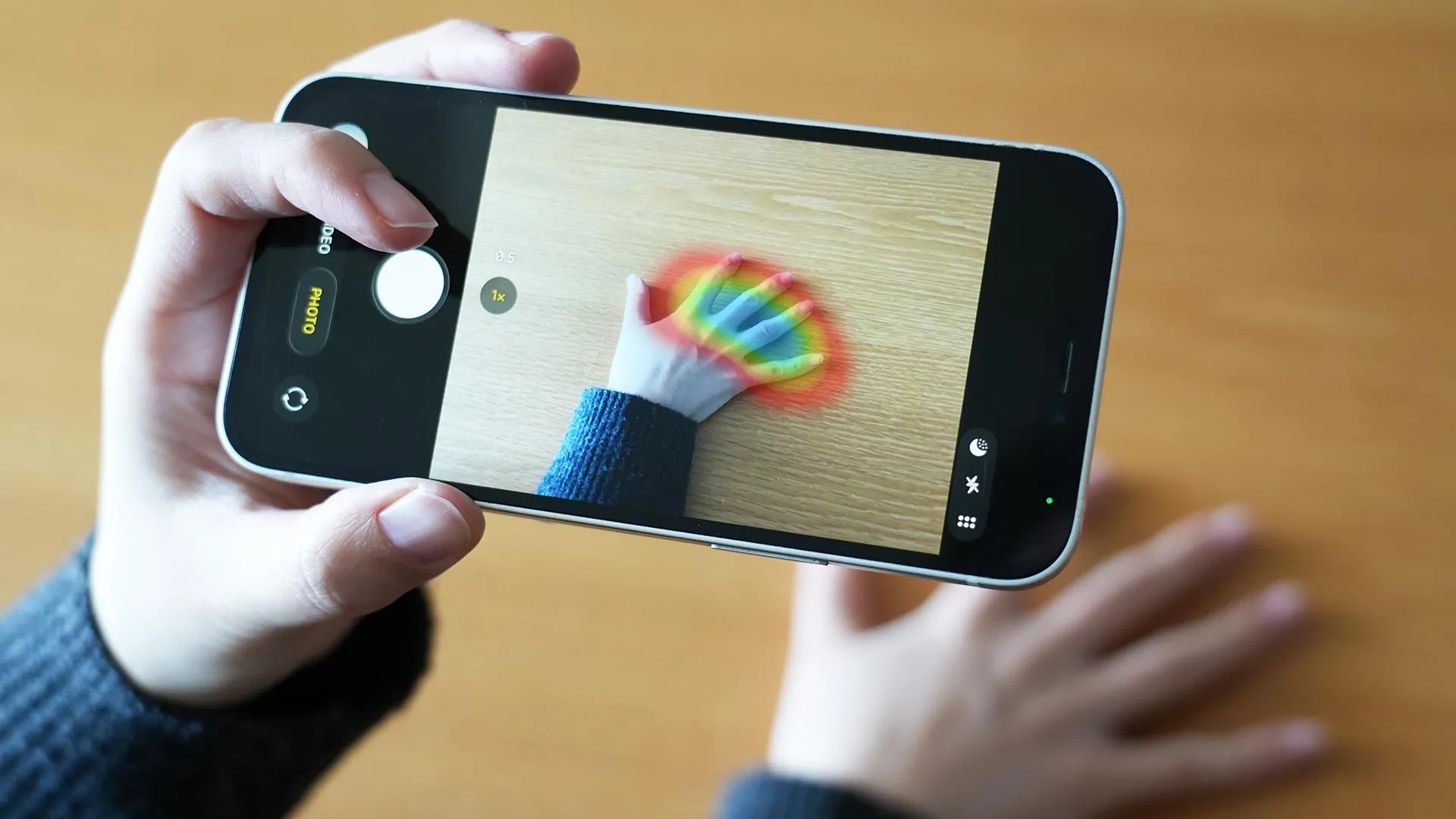
Kobe, Japan – In a significant leap forward for medical diagnostics, researchers at Kobe University have unveiled an innovative artificial intelligence (AI) system capable of identifying acromegaly, a rare endocrine disorder, solely by analyzing photographs of the back of the hand and a clenched fist. This novel approach meticulously bypasses the need for facial imagery, thereby safeguarding patient privacy while demonstrating remarkable diagnostic accuracy, according to findings published in the Journal of Clinical Endocrinology & Metabolism. The development holds profound implications for accelerating patient referrals to specialists, improving early detection rates, and enhancing healthcare accessibility, particularly in underserved geographical regions.
Acromegaly, a chronic condition typically manifesting in middle age, stems from an overproduction of growth hormone by the pituitary gland. This hormonal imbalance triggers a cascade of physical changes, including the disproportionate enlargement of hands and feet, alterations in facial features, and abnormal bone and internal organ growth. The insidious nature of its gradual progression, often spanning many years, makes early recognition a formidable challenge for clinicians. Left untreated, acromegaly can lead to severe health complications, including cardiovascular disease, diabetes, and an increased risk of certain cancers, potentially reducing life expectancy by as much as a decade.
"Because the condition progresses so slowly, and because it is a rare disease, it is not uncommon to take up to a decade for it to be diagnosed," stated Dr. Hidenori Fukuoka, an endocrinologist at Kobe University and a lead researcher on the project. He further elaborated on the historical difficulties in early detection, noting, "With the progress of AI tools, there have been attempts to use photographs for early detection, but they have not been adopted in clinical practice." This gap in clinical utility, coupled with the growing awareness of data privacy in healthcare, spurred the Kobe University team to explore alternative diagnostic pathways.
A Privacy-First AI Architecture
The research team’s deep dive into existing AI diagnostic methodologies revealed a prevalent reliance on facial photographs for disease identification. While effective, this approach frequently raises significant privacy concerns among patients, potentially hindering widespread adoption and data sharing. Recognizing this critical barrier, the scientists deliberately pivoted their strategy to focus on a less sensitive anatomical region: the hand.
Yuka Ohmachi, a graduate student at Kobe University and a key contributor to the study, explained the rationale behind this strategic shift. "Trying to address this concern, we decided to focus on the hands, a body part we routinely examine alongside the face in clinical practice for diagnostic purposes, particularly because acromegaly often manifests changes in the hands," Ohmachi remarked. The observable physical manifestations of acromegaly, such as enlarged fingers and a characteristic thickening of the skin on the hands, present a rich source of diagnostic information that could be leveraged by AI.
To further bolster privacy protections and encourage broader participation, the researchers meticulously curated their dataset to include only images of the back of the hand and a clenched fist. This deliberate exclusion of palm images was a strategic decision to circumvent the unique and potentially identifiable palm line patterns. By focusing on these specific views, the team was able to amass a substantial and diverse dataset, ultimately comprising over 11,000 images contributed by 725 patients from 15 medical institutions across Japan. This collaborative effort, spanning multiple leading healthcare facilities, underscored the broad interest and potential impact of the research.
AI Performance Exceeds Specialist Benchmarks
The results of the study, rigorously evaluated and presented in the Journal of Clinical Endocrinology & Metabolism, demonstrated the AI model’s exceptional capabilities. The system exhibited remarkably high sensitivity and specificity in detecting acromegaly from the hand images. In a direct comparative analysis, the AI model not only met but surpassed the diagnostic accuracy of experienced endocrinologists who were presented with the same set of anonymized photographs.
"Frankly, I was surprised that the diagnostic accuracy reached such a high level using only photographs of the back of the hand and the clenched fist," Ohmachi confessed. "What struck me as particularly significant was achieving this level of performance without facial features, which makes this approach a great deal more practical for disease screening." This endorsement from a researcher involved in the project highlights the profound implications of achieving high diagnostic accuracy without compromising patient privacy, a long-standing challenge in medical AI development.
The implications of this superior performance are far-reaching. For rare diseases like acromegaly, where diagnostic delays are common, an AI tool that can provide rapid and accurate preliminary assessments could significantly shorten the time to diagnosis. This, in turn, allows for earlier intervention, mitigating the progression of the disease and improving patient outcomes. The ability of the AI to outperform human specialists in this specific task suggests a future where AI serves as a powerful assistive tool, augmenting, rather than replacing, clinical expertise.
Expanding the Horizon of Medical AI
The success in identifying acromegaly has ignited optimism within the research team regarding the broader applicability of their hand-based AI system. The researchers now aspire to adapt and train their AI model to detect a wider spectrum of medical conditions that manifest visible changes in the hands. Potential future targets include inflammatory conditions like rheumatoid arthritis, hematological disorders such as anemia (which can cause paleness in the nail beds), and distinct morphological changes like finger clubbing, often associated with chronic lung or heart disease.
"This result could be the entry point for expanding the potential of medical AI," Ohmachi stated, underscoring the foundational nature of this breakthrough. The ability to leverage a single, privacy-preserving imaging modality for the diagnosis of multiple conditions could revolutionize early disease detection and screening protocols. Imagine a future where routine health check-ups incorporate a quick, AI-powered analysis of hand images, flagging potential issues that might otherwise go unnoticed for years.
Bridging Gaps in Healthcare Access and Clinical Support
In the complex landscape of real-world clinical practice, diagnosis is rarely based on a single data point. Medical history, laboratory test results, and comprehensive physical examinations remain indispensable components of patient assessment. The Kobe University researchers clearly envision their AI tool as a supplementary asset for physicians, designed to complement their existing expertise and enhance diagnostic workflows, rather than as a standalone diagnostic instrument. Their study articulates this vision, describing the technology as a means to "complement clinical expertise, reduce diagnostic oversight and enable earlier intervention."
The potential impact on healthcare infrastructure, particularly in remote or underserved areas, is profound. Dr. Fukuoka elaborated on this aspect, stating, "We believe that, by further developing this technology, it could lead to creating a medical infrastructure during comprehensive health check-ups to connect suspected cases of hand-related disorders to specialists. Furthermore, it could support non-specialist physicians in regional healthcare settings, thus contributing to a reduction of healthcare disparities there." This proactive approach could empower general practitioners in areas with limited access to specialists, enabling them to identify potential cases of acromegaly and other hand-related disorders with greater confidence and facilitating timely referrals.
The development of this sophisticated AI system was made possible through a collaborative effort involving numerous institutions. Funding for this pioneering research was provided by the Hyogo Foundation for Science Technology. The project also benefited from the expertise and contributions of collaborators from Fukuoka University, Hyogo Medical University, Nagoya University, Hiroshima University, Toranomon Hospital, Nippon Medical School, Kagoshima University, Tottori University, Yamagata University, Okayama University, Hyogo Prefectural Kakogawa Medical Center, Hokkaido University, International University of Health and Welfare, Moriyama Memorial Hospital, and Konan Women’s University. This widespread institutional involvement underscores the significance attributed to this research within the Japanese scientific and medical communities.
A Glimpse into the Future of Diagnostic AI
The successful development of this privacy-preserving AI for acromegaly detection represents a pivotal moment in the application of artificial intelligence in healthcare. By overcoming the dual challenges of diagnostic accuracy and patient privacy, the Kobe University team has paved the way for a new generation of AI-driven diagnostic tools. The potential to extend this methodology to other conditions, coupled with its capacity to support healthcare professionals and democratize access to specialized diagnostics, positions this research as a significant contributor to the evolution of global health. As AI continues to advance, innovations like this hold the promise of a more efficient, accurate, and equitable healthcare future for all. The chronological development of this research, from identifying a clinical need to rigorous testing and publication, highlights a systematic and dedicated approach to translating scientific inquiry into tangible healthcare solutions. The commitment to privacy, embedded from the conceptualization phase, sets a precedent for responsible AI development in sensitive fields like medicine.
