
 By Suherman Candra Maholtra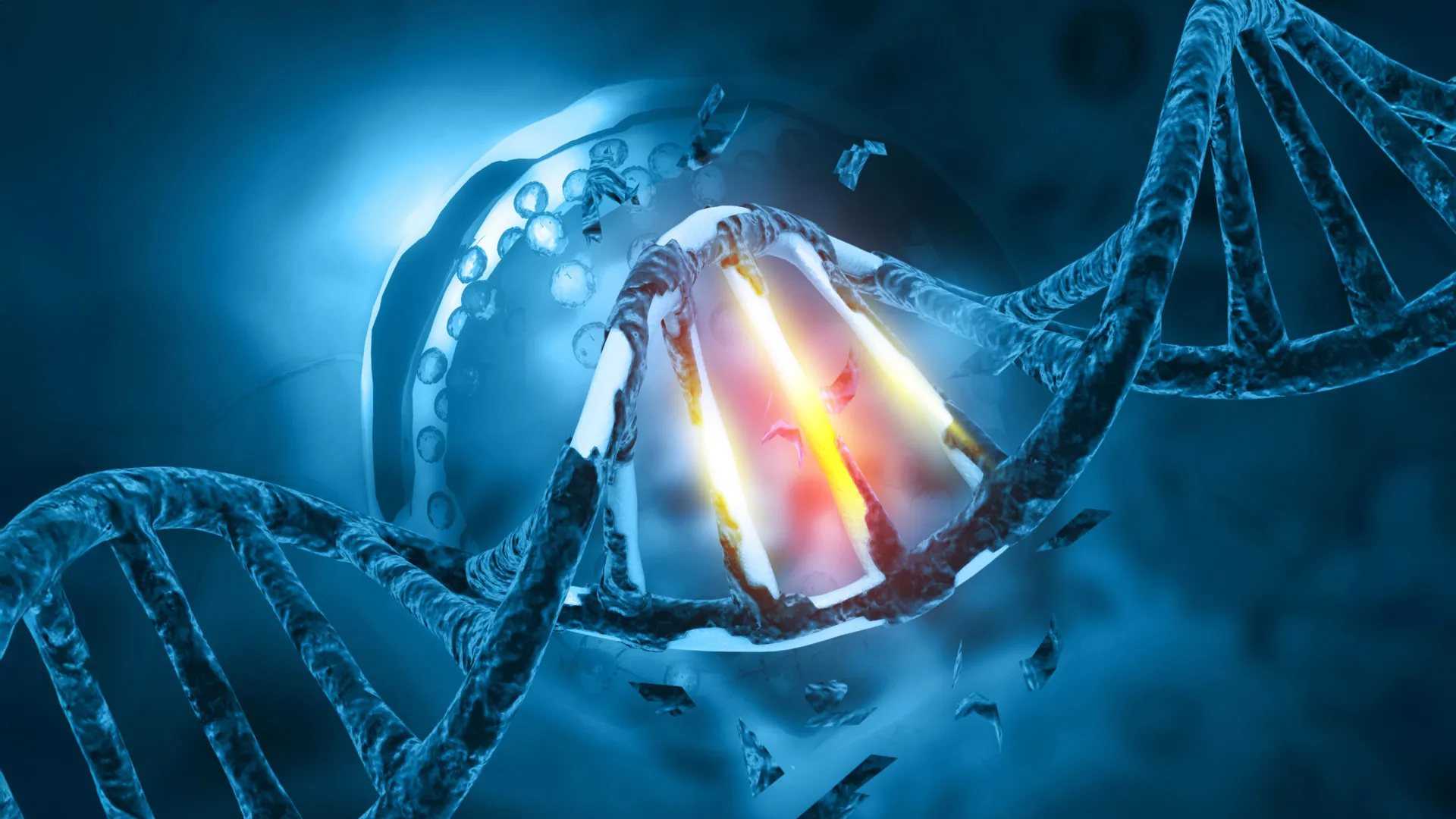
Researchers at the Penn State College of Medicine have identified a critical genetic paradox that could redefine how clinicians approach the treatment of several aggressive forms of cancer. In a study published in the journal Nature Communications, scientists revealed that an overabundance of the DNA repair protein EXO1, which typically functions as a safeguard for genetic integrity, can instead act as a catalyst for genomic instability. This phenomenon, which the researchers have termed "EXO1 overexpression," effectively mimics the behavior of BRCA mutations, even in patients who do not possess the hereditary genetic defect. This discovery offers a promising new pathway for precision medicine, potentially expanding the use of targeted therapies currently reserved for a narrow subset of the patient population.
The Dual Nature of Tumor Suppressor Mechanisms
Tumor suppressor genes and DNA repair proteins are traditionally categorized as the primary defense systems of the human body. Under optimal physiological conditions, these proteins act as "molecular mechanics," patrolling the cellular environment to identify and repair damage to the double helix. By maintaining the fidelity of the genetic code, these proteins prevent the accumulation of mutations that lead to uncontrolled cellular proliferation and malignancy.
However, the Penn State research team, led by George-Lucian Moldovan, a professor of molecular and precision medicine, has demonstrated that cellular health relies on a delicate homeostatic balance. While a deficiency in repair proteins is a well-documented cause of cancer, an excess—specifically of the EXO1 protein—is equally hazardous. EXO1 normally functions as a pair of molecular scissors, trimming damaged strands of DNA to facilitate repair. When the gene is overexpressed, these scissors become hyperactive, cutting into healthy DNA structures and destabilizing the entire genome.
This destabilization is a hallmark of cancer, providing the genetic "chaos" necessary for tumors to evolve and resist treatment. The study found that this overexpression occurs in approximately 20% to 30% of breast and ovarian cancers. Furthermore, the researchers identified significant EXO1 activity in melanoma, testicular, cervical, and hepatobiliary cancers, the latter of which affects the liver, gallbladder, and bile ducts.
Methodology: From Genomic Data to Laboratory Verification
To reach these conclusions, the research team employed a multi-stage methodology that bridged large-scale data analysis with controlled laboratory experimentation. The study began with an extensive review of The Cancer Genome Atlas (TCGA), a comprehensive database managed by the National Cancer Institute. By analyzing thousands of tumor samples across various cancer types, the researchers established a clear correlation between high EXO1 levels and aggressive disease profiles.
The data revealed a particularly strong association between elevated EXO1 and basal-like breast cancer. Often referred to as "triple-negative" breast cancer, this subtype is notoriously difficult to treat because it lacks the three most common receptors known to fuel most breast cancer growth (estrogen, progesterone, and the HER2 protein).
Following the data analysis, the team transitioned to laboratory-based "in vitro" experiments using human cancer cell lines. To isolate the effects of the protein, the researchers utilized genetic engineering to artificially increase EXO1 production. Crucially, they also created a control group using a "kinase-dead" or disabled version of the EXO1 protein. This version of the protein was present in high volumes but lacked its biochemical cutting ability. By comparing the two groups, the scientists confirmed that the DNA damage was a direct result of the protein’s enzymatic activity rather than its mere physical presence in the cell.
The BRCA Mimicry: A Breakthrough in Biomarker Identification
Perhaps the most significant finding of the Penn State study is the discovery that EXO1 overexpression creates a "BRCA-like" cellular environment. BRCA1 and BRCA2 are genes that produce proteins responsible for repairing double-strand breaks in DNA. Mutations in these genes are highly correlated with hereditary breast and ovarian cancer. Cells with BRCA mutations are unable to protect vulnerable DNA structures during the replication process, leading to genomic collapse.
The research demonstrated that excess EXO1 overwhelms the cell’s natural protective mechanisms, achieving the same destructive result as a BRCA mutation, even when the BRCA genes themselves are perfectly healthy. Mechanistically, EXO1 works in tandem with another protein, MRE11, to enlarge gaps in single-stranded DNA and degrade "reversed replication forks"—structures that form when the DNA replication machinery encounters an obstacle.
"Mechanistically, this overexpression does exactly what the loss of the BRCA pathway does in BRCA-mutant tumor cells," Professor Moldovan explained. This finding is transformative because it suggests that the "BRCAness" of a tumor—its specific pattern of genetic instability—can be caused by multiple factors, not just inherited mutations.
Clinical Implications: Expanding the Reach of Targeted Therapy
The identification of EXO1 as a biomarker has immediate implications for the field of oncology, particularly regarding the use of Poly (ADP-ribose) polymerase (PARP) inhibitors. Drugs such as olaparib are currently FDA-approved primarily for patients with confirmed BRCA mutations. These drugs work by inhibiting a secondary DNA repair pathway; when the primary pathway (BRCA) is already broken, the cancer cell is unable to repair itself at all and undergoes "synthetic lethality," or programmed cell death.
The Penn State team tested the efficacy of olaparib on EXO1-overexpressing cells and found that they were highly sensitive to the drug. The tumors responded in a manner nearly identical to BRCA-mutant cancers. This suggests that a significant portion of the 20-30% of breast and ovarian cancer patients who do not have BRCA mutations but do have high EXO1 levels could benefit from PARP inhibitors.
Furthermore, the study explored the use of cisplatin, a conventional platinum-based chemotherapy. While effective, cisplatin is associated with severe side effects, including kidney damage and hearing loss. The researchers found that EXO1-overexpressing tumors were so sensitive to DNA-damaging agents that lower doses of cisplatin might be sufficient to achieve tumor shrinkage. This could lead to treatment regimens that are equally effective but significantly less toxic for the patient.
The Path Toward "Tissue-Agnostic" Precision Medicine
The research underscores a growing shift in oncology toward "tissue-agnostic" or "site-agnostic" treatments. Historically, cancers have been treated based on the organ in which they originated—lung cancer, breast cancer, or liver cancer. However, the discovery of EXO1’s role across a diverse range of cancers (from skin to bile ducts) suggests that the genetic landscape of the tumor is a more accurate guide for treatment than its location.
"We shouldn’t treat cancers based on what tissue they come from but based on the landscape of the genetic mutations present in the tumors," Moldovan stated. "That would result in high-efficiency treatment. That’s the future of cancer treatment."
This perspective is supported by the study’s findings in hepatobiliary and testicular cancers, where EXO1 overexpression was also prevalent. For patients with these rarer or more aggressive cancers, the identification of EXO1 levels could open doors to therapies that were previously not considered applicable to their specific disease type.
Timeline and Future Research Directions
The study, led by Alexandra Nusawardhana, who recently completed her doctorate in biomedical sciences at Penn State, represents several years of investigation into the nuances of the DNA damage response. The work was supported by the National Institutes of Health (NIH) and Four Diamonds, an organization dedicated to childhood cancer research.
Looking forward, the Penn State team intends to move from the laboratory to the clinic. The next phase of research will involve validating EXO1 as a clinical biomarker through retrospective studies of patient outcomes. If these studies confirm that EXO1 levels accurately predict drug response, the team plans to launch prospective clinical trials. These trials would specifically enroll patients whose tumors overexpress EXO1, regardless of their BRCA status, to test the efficacy of PARP inhibitors and low-dose platinum therapies.
The researchers also hope to investigate what causes the initial overexpression of EXO1. Unlike BRCA mutations, which are often germline (inherited from parents), EXO1 overexpression appears to be a somatic event—something that occurs within the tumor itself during its development. Understanding the "trigger" for this overexpression could lead to preventative strategies or even earlier detection methods.
Conclusion and Summary of Impact
The findings by the Penn State College of Medicine provide a vital piece of the puzzle in understanding why some cancers respond to specific treatments while others do not. By identifying EXO1 as a driver of genomic instability that mimics BRCA deficiency, the study offers a new diagnostic lens for oncologists.
For the medical community, this research provides a clear roadmap for expanding the reach of precision medicine. For patients, it offers the hope of more effective, personalized treatments with fewer side effects. As the field moves toward a more sophisticated understanding of the "molecular scissors" and "mechanics" of the cell, the ability to turn a tumor’s own genetic instability against itself remains one of the most promising frontiers in the fight against cancer.
