
 By admin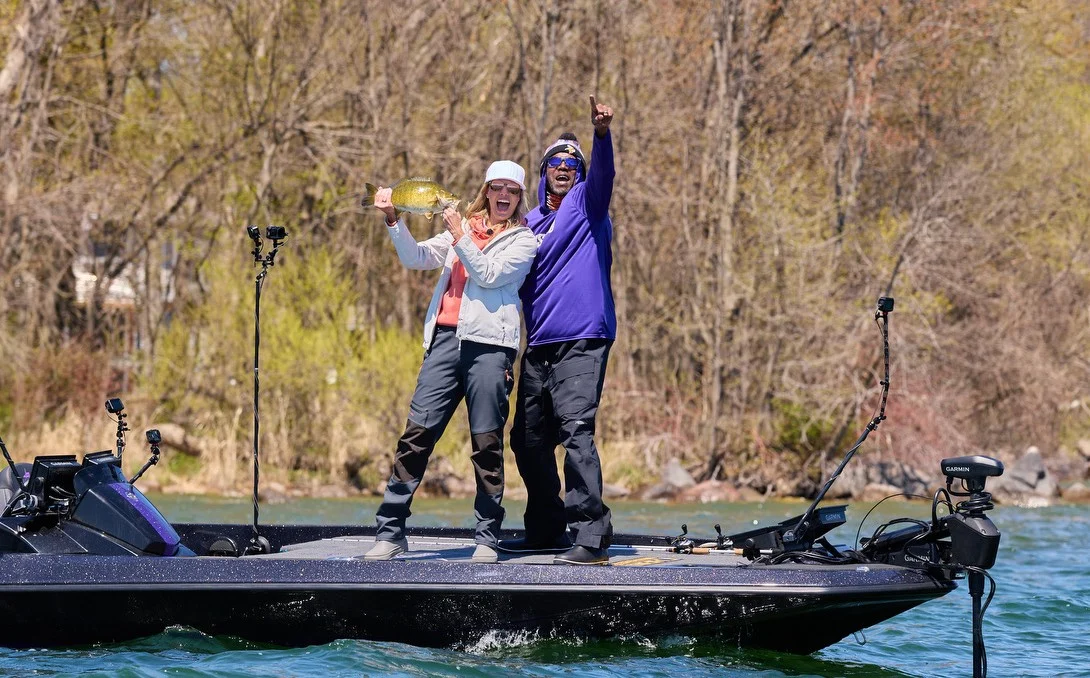
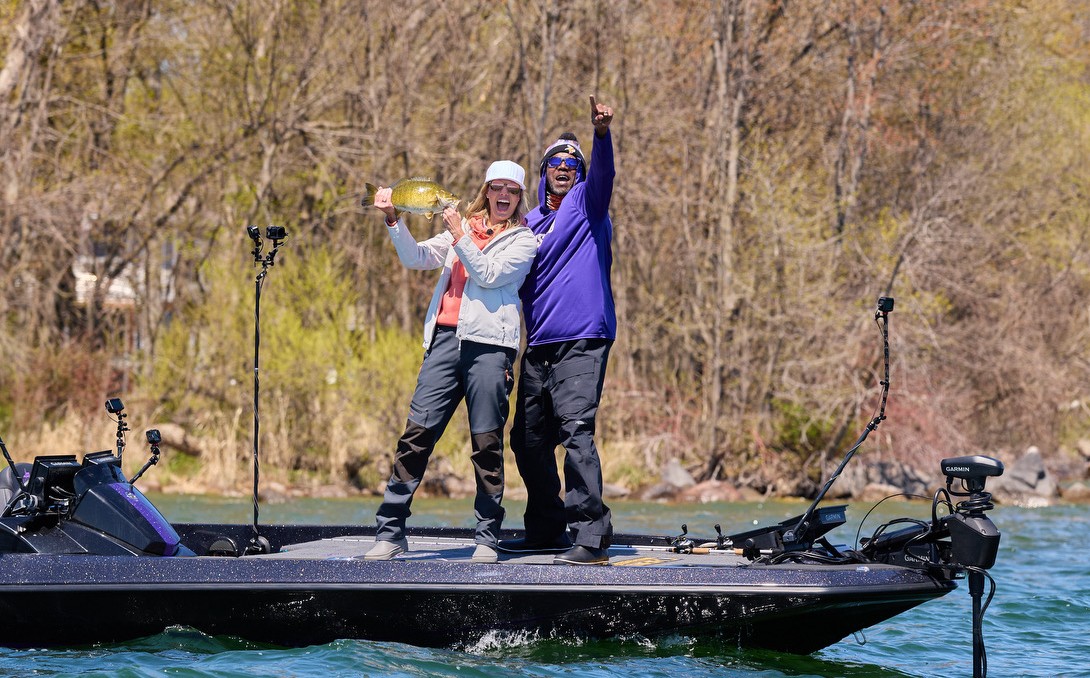
In the serene, glass-like waters of Leech Lake in northern Minnesota, NFL Hall of Famer Randy Moss recently traded the high-octane environment of professional sports for a different kind of pursuit, one that bridges the gap between personal passion and philanthropic necessity. As part of his popular YouTube series, Chasing10, which typically chronicles the legendary wide receiver’s quest for a trophy-sized ten-pound catch, Moss shifted the focus of his platform to support the Children’s Cancer Research Fund (CCRF) and its "Chasing a Cure" campaign. Accompanied by Kenna Dooley, the Chief Development Officer of CCRF, Moss utilized the outing to highlight the urgent need for advancements in pediatric oncology, specifically focusing on the transition from traditional cytotoxic treatments to more targeted, less invasive therapies.
The collaboration represents a significant intersection of celebrity influence and medical advocacy, aimed at raising awareness for the research necessary to eliminate the long-term side effects of childhood cancer treatments. For Moss, the day was not merely about the sport of fishing but about the historical and emotional weight of the location, which serves as the spiritual birthplace of the Children’s Cancer Research Fund. The partnership underscores a growing trend in which high-profile athletes leverage their digital media presence to provide deep-dive narratives into social and medical issues, moving beyond traditional thirty-second public service announcements.
The Historical Significance of Leech Lake and the Hageboeck Legacy
The choice of Leech Lake for this episode of Chasing10 was deeply intentional. Long before it became a destination for professional anglers, these waters were the summer sanctuary for Katie Hageboeck, a young girl whose battle with leukemia in the late 1970s would eventually spark a national movement. Katie spent her summers swimming and fishing at her family’s multi-generational cabin, finding solace in the North Woods of Minnesota. However, in 1979, at the age of 13, Katie succumbed to the disease.
In the wake of their loss, the Hageboeck family chose to transform their grief into a systemic effort to save other children. They founded what would eventually become the Children’s Cancer Research Fund, initially starting with a small fundraiser that has since grown into a powerhouse of pediatric research funding. Today, CCRF is a national non-profit that has contributed over $200 million to research, education, and patient support services. The legacy of Katie Hageboeck is physically preserved at the University of Minnesota through "Katie’s Clinic" and "The Porch," specialized environments designed to provide clinical care while reflecting the comforting, natural aesthetics of the North Woods that Katie loved. These facilities are specifically tailored to the unique psychological and physical needs of pediatric patients, moving away from the sterile, intimidating atmosphere of traditional hospital wards.
Personal Testimonials and the Mental Toll of Treatment
During the excursion, the conversation turned toward the grueling reality of cancer treatment. Randy Moss shared a rare personal reflection on the impact of chemotherapy, noting the profound psychological burden it places on a patient. Moss observed that the experience of undergoing such intense medical intervention is often "more mental than it was physical," highlighting the exhaustion and loss of agency that accompanies traditional cancer protocols. His comments shed light on a frequently overlooked aspect of pediatric care: the trauma of the treatment itself can be as scarring as the diagnosis.
Kenna Dooley emphasized that this specific trauma is what the "Chasing a Cure" campaign seeks to mitigate. For decades, the standard of care for childhood leukemia and other pediatric cancers has relied heavily on chemotherapy and radiation. While these methods have successfully raised survival rates, they are "blunt instruments" that do not distinguish between cancerous cells and healthy developing tissue. This often leads to "late effects"—chronic health issues that survivors face years or even decades after they are declared cancer-free, including heart disease, secondary cancers, and cognitive impairments.
The Shift Toward Immunotherapy and Targeted Research
The primary objective of the research funded by CCRF is the development of immunotherapy. Unlike chemotherapy, which introduces toxic chemicals into the body to kill rapidly dividing cells, immunotherapy harnesses the patient’s own immune system to identify and destroy cancer cells with surgical precision. During the Chasing10 episode, Dooley explained that the ultimate goal is a "win-win" scenario where the efficacy of treatment is increased while the toxicity is virtually eliminated.
Current data from the National Cancer Institute (NCI) and pediatric research organizations indicates that while the five-year survival rate for all childhood cancers has risen to approximately 85%, the quality of life for those survivors remains a critical concern. Research into Chimeric Antigen Receptor (CAR) T-cell therapy, a form of immunotherapy, has shown revolutionary results in treating relapsed B-cell acute lymphoblastic leukemia, the very disease that claimed Katie Hageboeck’s life in 1979. By funding this specific niche of science, CCRF aims to create a future where children can maintain their childhood during treatment, rather than spending their formative years in a state of physical depletion.
Supporting Data: The Funding Gap in Pediatric Oncology
One of the most pressing issues discussed implicitly through the "Chasing a Cure" campaign is the significant disparity in research funding. According to the American Cancer Society and the NCI, pediatric cancer research receives only about 4% of the total federal funding allocated for cancer research in the United States. This "4% problem" means that the vast majority of advancements in the field must be driven by private donations and organizations like the Children’s Cancer Research Fund.
The economic reality of the pharmaceutical industry also plays a role. Because childhood cancers are considered "rare" compared to adult cancers like lung or breast cancer, there is often less commercial incentive for pharmaceutical companies to develop pediatric-specific drugs. Consequently, many children are treated with "off-label" medications originally designed for adults. The partnership between Randy Moss and CCRF serves as a vital tool for closing this funding gap, utilizing the "Chasing10" platform to reach a demographic of donors who may not be reached through traditional philanthropic channels.
Institutional Impact and Clinical Innovations
The impact of the funds raised through the "Chasing a Cure" campaign is most visible at the University of Minnesota’s Masonic Children’s Hospital. The establishment of "The Porch" and "Katie’s Clinic" represents a shift toward holistic pediatric care. These spaces are designed to accommodate the family unit, recognizing that a childhood cancer diagnosis affects siblings and parents as much as the patient.
"The Porch" serves as a dedicated space for survivors of childhood cancer to receive follow-up care and monitoring for late effects. It is structured to provide a sense of community, allowing survivors to connect with others who have shared their experiences. By integrating the North Woods theme—a direct nod to Katie’s summers at Leech Lake—the clinic attempts to remove the "clinical" feel of the hospital, replacing it with an environment that fosters healing and memory-making.
Broader Implications and the Future of Pediatric Care
The collaboration between Randy Moss and CCRF is more than a celebrity endorsement; it is a strategic effort to humanize the statistics of pediatric oncology. By framing the search for a cure as a "chase"—a term familiar to athletes and outdoorsmen alike—the campaign recontextualizes the fight against cancer as an active, goal-oriented pursuit rather than a passive wait for scientific breakthrough.
The implications of this shift are significant. As more high-profile figures join the cause, the pressure on federal agencies to increase the percentage of funding for pediatric-specific research grows. Furthermore, the focus on immunotherapy suggests a future where the "cure" does not come at the cost of the patient’s long-term health. The goal is not just survival, but a return to the normalcy of childhood—to the swimming, fishing, and family time that defined Katie Hageboeck’s life before her illness.
As the Chasing10 episode concludes, the message remains clear: the pursuit of a ten-pound catch provides a momentary thrill, but the pursuit of a cure provides a lifetime of potential for thousands of children. Through the legacy of Katie Hageboeck and the advocacy of figures like Randy Moss, the Children’s Cancer Research Fund continues to move closer to a reality where every child has the opportunity to experience their own "summers on the lake," free from the shadow of disease. The "Chasing a Cure" campaign stands as a testament to the idea that while one person’s story may end prematurely, the legacy they leave behind can change the course of medical history for generations to come.
