
 By admin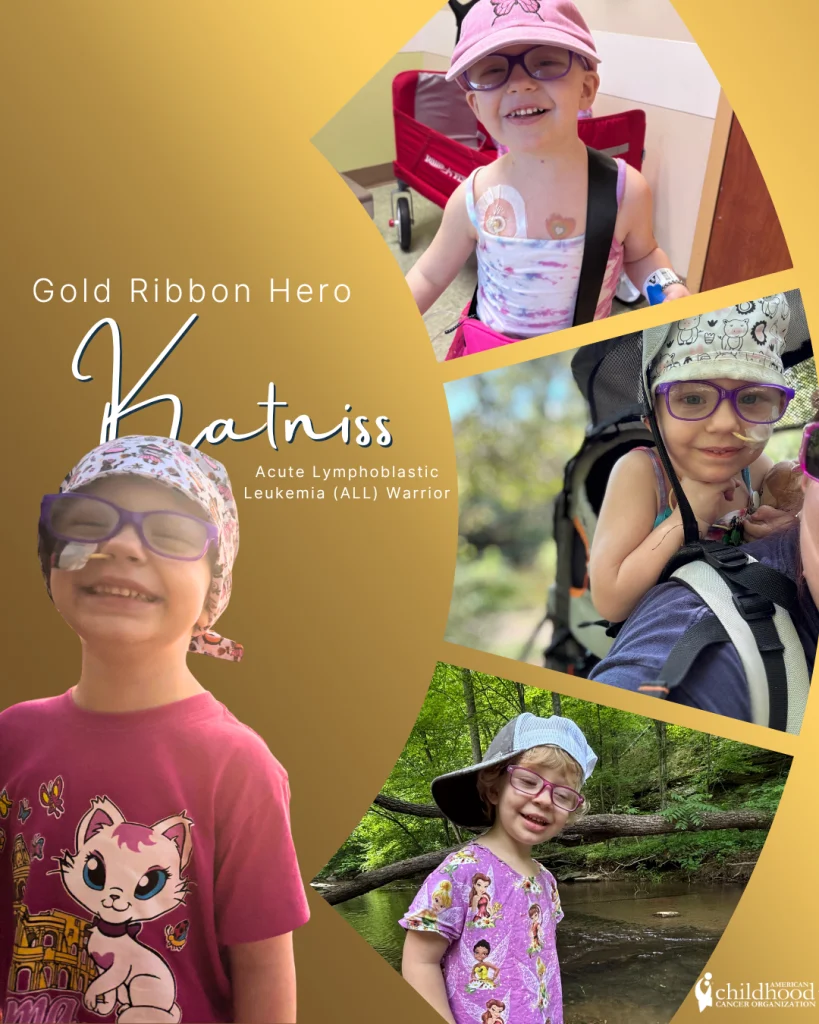
The intersection of family history and medical crisis has come to the forefront of the pediatric oncology community as Katniss, a young girl recently diagnosed with Acute Lymphoblastic Leukemia (ALL), begins a grueling multi-year treatment protocol. Her journey, which began in the early summer of 2025, serves as a poignant reminder of the persistent challenges faced by families battling childhood cancer, while also highlighting the unique emotional weight carried by parents who are themselves survivors of the same disease. Katniss’s diagnosis has not only mobilized her local community but has also garnered national attention through her role as an ambassador for the American Childhood Cancer Organization (ACCO), particularly during high-profile advocacy events in Nashville, Tennessee.
The Chronology of Diagnosis and Clinical Presentation
The medical odyssey for Katniss and her family began in June 2025, a period that should have been defined by the start of summer activities but was instead marked by a series of escalating health concerns. Initially, the symptoms appeared routine; Katniss presented with what seemed to be a standard case of strep throat. However, when the condition failed to respond to conventional antibiotic treatment, her health deteriorated rapidly. The situation reached a critical point when the child began vomiting blood, a symptom that prompted an immediate emergency room visit.
Upon clinical evaluation, medical staff identified severe hematological abnormalities. Katniss was found to be both neutropenic and anemic. Neutropenia, a condition characterized by an abnormally low count of neutrophils—a type of white blood cell essential for fighting off infections—explained her body’s inability to overcome the initial strep infection. Simultaneously, her anemia indicated a significant deficiency in red blood cells, which are responsible for transporting oxygen throughout the body. These markers are classic indicators of bone marrow failure, often caused by the rapid proliferation of malignant cells. Within days of these findings, a definitive diagnosis of Acute Lymphoblastic Leukemia was confirmed, fundamentally altering the trajectory of Katniss’s childhood.
Understanding Acute Lymphoblastic Leukemia
Acute Lymphoblastic Leukemia is the most common form of childhood cancer, accounting for approximately 25% of all cancer diagnoses in children under the age of 15. It is a type of cancer that affects the blood and bone marrow, characterized by the overproduction of immature white blood cells, known as lymphoblasts. These malignant cells crowd out healthy white blood cells, red blood cells, and platelets, leading to the symptoms Katniss experienced, such as frequent infections and severe fatigue.
While the five-year survival rate for pediatric ALL has seen remarkable improvements over the last several decades—climbing from less than 10% in the 1960s to approximately 90% today—the treatment remains one of the most intensive in the field of oncology. The standard of care for a pediatric patient like Katniss involves a long-term commitment to chemotherapy, typically spanning two to three years. This duration is necessary to ensure that every residual leukemic cell is eradicated, thereby minimizing the risk of a future relapse.
A Generational Battle: The Survivor’s Perspective
The diagnosis of Katniss was met with a unique form of heartbreak for her mother, Katherine. In a rare and distressing coincidence, Katherine is herself a survivor of childhood leukemia. The revelation that her daughter would have to face the same life-threatening illness she once conquered added a layer of psychological complexity to the family’s struggle. "As a childhood leukemia survivor myself, hearing my baby girl has the same cancer broke my heart," Katherine shared during a recent discussion regarding the family’s advocacy work.
This generational aspect of the diagnosis highlights a growing demographic within the cancer community: adult survivors of childhood cancer who are now navigating the healthcare system as parents. For Katherine, her personal history provides both a roadmap of what to expect and a heightened sense of the trauma involved in the process. The emotional toll of watching a child undergo the same painful procedures one remembers from their own youth is a burden that researchers are increasingly studying under the umbrella of "survivor-parent stress."
The Rigors of the Treatment Protocol
The clinical management of Katniss’s condition began almost immediately following her diagnosis. The roadmap for her recovery is projected to last two and a half years, a timeline that is standard for female patients with ALL (male patients often require a slightly longer maintenance phase). The treatment is divided into several intensive phases, beginning with induction, followed by consolidation, and eventually transitioning into a long-term maintenance phase.
Throughout this period, Katniss will undergo a series of invasive medical procedures. These include the surgical placement of a chemo-port—a device implanted under the skin to allow for the direct administration of medication into the bloodstream—as well as frequent bone marrow biopsies and lumbar punctures. Lumbar punctures, often referred to as spinal taps, are critical in pediatric ALL treatment to ensure that the cancer has not spread to the central nervous system. Despite the physical and emotional exhaustion associated with these treatments, Katniss’s family reports that her "sassy personality" and inherent resilience remain intact, serving as a source of strength for her medical team and relatives alike.
Advocacy and the Grand Ole Opry Chili Cook-Off
In recognition of her courage, Katniss was selected as an ambassador for the American Childhood Cancer Organization at the Grand Ole Opry Chili Cook-Off in Nashville, Tennessee. This event is a cornerstone of the ACCO’s efforts to raise both funds and awareness for pediatric cancer research and family support services. The chili cook-off brings together musicians, local celebrities, and the public to support the "Gold Ribbon" cause, which represents the international symbol for childhood cancer awareness.
Although Katniss was unable to attend the live event due to the constraints of her treatment schedule and the risks associated with her compromised immune system, the Grand Ole Opry and the ACCO ensured she was not excluded from the experience. Several weeks after the fundraiser, Katniss and her family were invited for a private tour of the historic facility. They were given the opportunity to explore the backstage areas of one of country music’s most iconic venues and were treated to a live show, providing a much-needed reprieve from the clinical environment of the hospital.
The partnership between the ACCO and the Grand Ole Opry underscores the importance of community-based fundraising. Events like the chili cook-off are vital for closing the funding gap in pediatric cancer research. Currently, only a small fraction of federal cancer research funding is dedicated specifically to childhood cancers, leaving non-profit organizations to provide the resources necessary for developing less toxic treatments and supporting families through the financial strain of a long-term illness.
The Socioeconomic and Emotional Toll on Families
The journey of Katniss and Katherine reflects the broader socioeconomic challenges that accompany a pediatric cancer diagnosis. The "financial toxicity" of cancer refers to the devastating impact that medical bills, travel expenses, and lost wages have on a family’s stability. For a treatment plan lasting 30 months, the cumulative costs can be astronomical. Organizations like the ACCO play a pivotal role in mitigating these effects by providing educational resources, advocacy at the legislative level, and direct support programs.
Furthermore, the emotional impact on the family unit cannot be overstated. The shift from a normal daily routine to a life centered around hospital visits and medication schedules creates a "new normal" that requires significant psychological adjustment. In the case of Katniss, the support of the Nashville community and the recognition of her status as a "warrior" have been instrumental in fostering a sense of hope.
Implications for Pediatric Oncology and Future Research
The case of Katniss is a microcosm of the current state of pediatric oncology: a field marked by incredible medical triumphs but still burdened by the necessity of harsh, long-term treatments. While survival rates for ALL are high, the long-term side effects of chemotherapy—including potential impacts on heart health, fertility, and cognitive development—remain a concern for survivors.
As Katniss continues her two-and-a-half-year journey, her story serves as a call to action for increased investment in targeted therapies. Researchers are currently exploring immunotherapy and genomic sequencing to create more personalized treatment plans that could one day replace the broad-spectrum chemotherapy currently used. Until then, the resilience of children like Katniss remains the primary narrative of the fight against childhood cancer.
A Beacon of Resilience
Katniss’s journey is far from over, but her initial steps have been defined by a remarkable spirit that refuses to be dampened by her diagnosis. Her involvement with the ACCO and the Grand Ole Opry has elevated her story from a private family struggle to a public symbol of endurance. By sharing the realities of the diagnostic process, the intensity of the treatment, and the importance of community support, the story of Katniss and Katherine continues to inspire those within the oncology community and beyond.
As she moves through the various phases of her chemotherapy, the focus remains on achieving a full and lasting remission. The support of the American Childhood Cancer Organization ensures that Katniss is not just a patient, but an ambassador for thousands of other children facing similar battles. Her story remains a testament to the fact that while cancer may interrupt a childhood, it does not have the power to extinguish the "sassy" and resilient spirit of a child determined to survive. Through the continued efforts of researchers, advocates, and community partners, the hope remains that one day, the 30-month journey Katniss is currently navigating will be a thing of the past, replaced by even more effective and less invasive paths to a cure.
