
 By admin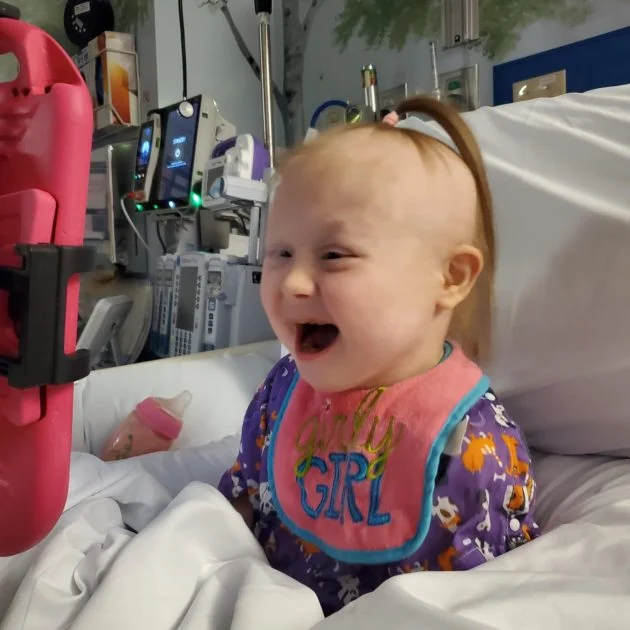
The intersection of pre-existing genetic conditions and sudden-onset pediatric illness presents a complex challenge for families and medical professionals alike, a reality recently highlighted by the diagnosis of nine-year-old Lauren Kate. On September 23, 2025, Lauren Kate, a child born with Down syndrome, was officially diagnosed with B-Cell Acute Lymphoblastic Leukemia (ALL), a development that shifted her life from the routine of childhood to the intensive rigors of oncological treatment. Her journey, characterized by a rapid transition from primary care to specialized emergency intervention at East Tennessee Children’s Hospital, serves as a poignant case study in the vigilance required for early cancer detection and the subsequent medical hurdles faced by pediatric patients.
The diagnostic process began when Lauren’s family observed subtle but persistent changes in her behavior and physical condition. Reports indicate that she was experiencing levels of fatigue that deviated from her normal baseline, accompanied by the appearance of large, palpable masses—swollen lymph nodes—beneath her neck. These symptoms prompted her mother to seek an urgent consultation with their primary care physician. During this initial assessment, blood work revealed a significantly abnormal white blood cell count, a primary indicator of hematologic malignancy. The clinical urgency of these findings necessitated an immediate referral to the oncology specialists at East Tennessee Children’s Hospital, where further testing confirmed the presence of B-cell leukemia.
The Clinical Landscape of B-Cell Acute Lymphoblastic Leukemia
B-Cell Acute Lymphoblastic Leukemia is a type of cancer in which the bone marrow produces too many immature lymphocytes, a type of white blood cell. In the case of B-cell ALL, these malignant cells are B-cell precursors, which are essential components of the body’s immune system. When these cells become cancerous, they fail to function correctly and begin to crowd out healthy red blood cells, white blood cells, and platelets. This overcrowding leads to the symptoms observed in patients like Lauren Kate, including fatigue due to anemia, increased susceptibility to infection, and swelling of the lymph nodes or spleen.
For children with Down syndrome, the risk of developing leukemia is statistically higher than in the general population. Research indicates that children with Trisomy 21 are approximately 20 times more likely to develop Acute Lymphoblastic Leukemia. The biological mechanism behind this predisposition is linked to the extra copy of chromosome 21, which can affect the regulation of blood cell production and increase the likelihood of genetic mutations in hematopoietic stem cells. Despite this increased risk, advances in pediatric oncology have significantly improved the prognosis for these patients, provided they receive tailored treatment plans that account for the unique physiological sensitivities associated with Down syndrome.
Chronology of Treatment and Medical Intervention
The period following Lauren Kate’s diagnosis on September 23, 2025, marked the beginning of an intensive and multifaceted treatment regimen. The standard of care for B-cell ALL involves a series of phases designed to achieve and maintain remission while targeting cancer cells that may have migrated to other parts of the body.
The initial stage of Lauren’s treatment included the surgical insertion of a port, a medical device placed under the skin to allow for the efficient delivery of chemotherapy and the frequent drawing of blood samples. This is a standard procedure for pediatric oncology patients to minimize the trauma of repeated needle sticks. Following the port insertion, Lauren underwent several lumbar punctures—also known as spinal taps—to check for the presence of leukemia cells in the cerebrospinal fluid and to administer intrathecal chemotherapy. This preventative measure is vital in ALL cases, as the central nervous system can often serve as a "sanctuary site" where systemic chemotherapy may not reach effectively.
In addition to these procedures, Lauren has undergone multiple rounds of systemic chemotherapy and bone marrow aspirations. Bone marrow procedures are essential for monitoring the patient’s response to treatment, allowing oncologists to adjust dosages and drug combinations based on the presence of residual disease. This timeline of medical intervention highlights the grueling nature of the "warrior" journey, involving weeks and months of hospitalization away from the comforts of home and school.
The Psychosocial Impact on the Family Unit
The diagnosis of childhood cancer is a transformative event that impacts every member of the family. For Lauren Kate’s mother, the transition from a routine doctor’s visit to an emergency hospital admission was characterized by a sense of shock and disbelief. This emotional trajectory is common among parents of children diagnosed with life-threatening illnesses; the sudden shift from normalcy to a state of medical crisis often creates a period of acute psychological stress.
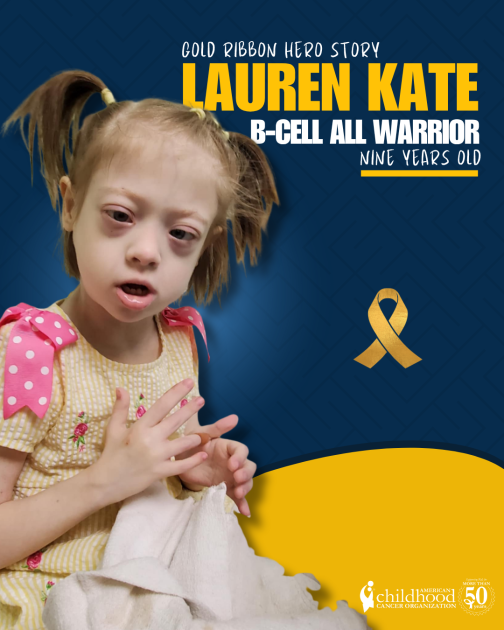
The role of siblings is also a critical component of the family’s resilience. Lauren’s sister, Emma, has remained a central figure in her life throughout the treatment process. Psychosocial experts in pediatric oncology emphasize that maintaining sibling bonds and preserving elements of "normal" childhood—such as watching favorite television programs like Bubble Guppies—can provide essential emotional stabilization for the patient. These moments of joy, though brief, are considered vital "quality of life" indicators that help children cope with the physical tolls of chemotherapy and isolation.
Support organizations, such as the American Childhood Cancer Organization (ACCO), play a pivotal role in bridging the gap between medical treatment and family support. By providing resources, advocacy, and a platform for sharing stories of "warriors" like Lauren Kate, these organizations help families navigate the complexities of the healthcare system and the emotional burden of a long-term cancer battle.
Supporting Data and Pediatric Cancer Statistics
The broader context of Lauren Kate’s fight is reflected in national pediatric cancer data. In the United States, approximately 15,000 children and adolescents under the age of 20 are diagnosed with cancer each year. Among these, Acute Lymphoblastic Leukemia is the most common form of pediatric malignancy, accounting for roughly 25% of all childhood cancer cases.
Advancements in medical research over the past several decades have seen the five-year survival rate for children with ALL rise to nearly 90%. However, the treatment duration for ALL is notably long, typically spanning two to three years. This extended timeframe places significant financial and emotional strain on families. The "total cost of care" for a pediatric leukemia patient involves not only medical bills but also the loss of parental income, travel expenses for specialized treatment centers, and the costs associated with long-term follow-up care to monitor for late effects of chemotherapy, such as cardiac issues or secondary malignancies.
For children like Lauren Kate, who are also managing Down syndrome, the clinical approach must be even more precise. These patients can sometimes experience higher toxicity levels from certain chemotherapy drugs, such as methotrexate. Consequently, contemporary protocols focus on "risk-stratified" therapy, ensuring that the intensity of the treatment is balanced against the patient’s specific biological needs and tolerances.
Broader Implications for Healthcare and Research
The case of Lauren Kate underscores the ongoing need for dedicated funding and research into pediatric-specific cancers. While adult cancer research receives significant attention, pediatric oncology requires a distinct focus due to the biological differences in how childhood cancers develop and respond to therapy. Unlike adult cancers, which are often linked to environmental factors or lifestyle choices, childhood cancers are typically the result of DNA changes that occur early in life.
Furthermore, the integration of care for children with developmental disabilities and cancer is an evolving field. Healthcare providers are increasingly recognizing the importance of accessible communication and specialized support services to ensure that children with conditions like Down syndrome receive equitable and effective oncological care.
The resilience shown by Lauren Kate—described by her family as a "vibrant and fun-loving" spirit despite her circumstances—serves as a reminder of the human element behind medical statistics. Her journey from the initial discovery of symptoms to her current status as a leukemia warrior highlights the critical importance of parental vigilance, rapid diagnostic response, and the specialized care provided by institutions like East Tennessee Children’s Hospital.
As Lauren Kate continues her treatment, her story contributes to the collective awareness of the challenges faced by the thousands of families dealing with pediatric cancer. The call for continued donation and support for organizations like the ACCO remains urgent, as these entities provide the necessary infrastructure for research, advocacy, and the direct support of families who are navigating the most difficult chapters of their lives. Through a combination of medical innovation and community support, the goal remains clear: to ensure that no child has to face the battle against cancer alone.
