
 By admin
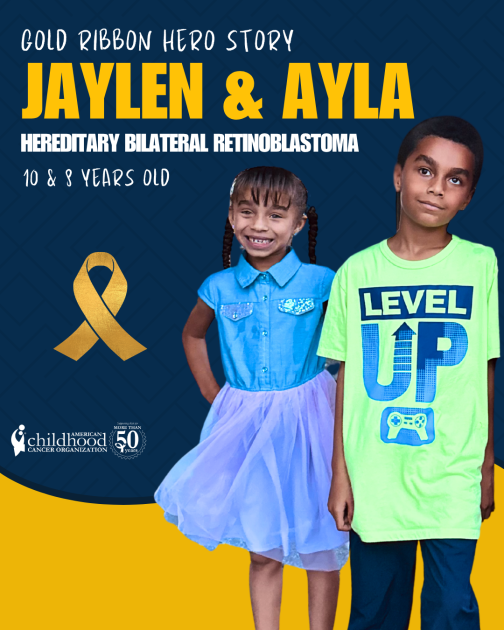
The narrative of Jaylen and Ayla, two young survivors of hereditary bilateral retinoblastoma, serves as a poignant intersection of pediatric oncology challenges and the systemic barriers faced by patients and caregivers within the deaf community. Jaylen, now 10, and his sister Ayla, 8, have navigated a grueling medical landscape defined by aggressive cancer treatments, surgical interventions, and the complexities of a genetic predisposition. Their story, however, is not merely one of medical survival; it is a testament to the critical role of parental advocacy and the urgent need for linguistic accessibility in clinical settings. Their mother, Denice, has emerged as a central figure in this journey, overcoming both the emotional weight of a dual cancer diagnosis and the structural exclusion of a healthcare system that initially failed to provide the necessary communication tools for a deaf parent.
Early Detection and the "Glow" Phenomenon
The clinical journey began when Jaylen was just two months old. His mother, Denice, observed a subtle but concerning physical symptom: his left eye appeared to veer outward, a condition known as strabismus. While strabismus can be a benign developmental issue, in the context of pediatric ophthalmology, it is frequently a primary indicator of intraocular tumors. At the time, the family also noticed a peculiar "glow" in Jaylen’s eye in photographs. This phenomenon, clinically termed leukocoria, occurs when light reflects off the white surface of a tumor rather than the red vascular tissue of the retina.
Leukocoria is the most common presenting sign of retinoblastoma, yet it is often dismissed by parents as a photographic artifact or a "red-eye" glitch. In Jaylen’s case, the family initially attributed the reflection to the camera’s flash. It was only as the physical misalignment of the eye persisted that the urgency of the situation became clear. Early detection is the single most significant factor in determining the prognosis for retinoblastoma; when caught early, the survival rate in developed nations exceeds 95%. However, the path to that diagnosis for Jaylen was obstructed by a significant breakdown in medical ethics and accessibility.
Systemic Barriers and the Fight for Accessibility
When Jaylen reached four months of age, Denice sought a professional evaluation during a routine check-up. It was at this critical juncture that the family encountered a barrier unrelated to oncology. The medical provider refused to see them, citing the lack of an American Sign Language (ASL) interpreter. Under the Americans with Disabilities Act (ADA), healthcare providers are legally mandated to provide effective communication for patients and companions with disabilities, which often includes providing qualified interpreters. The refusal of care not only delayed Jaylen’s diagnosis but also placed an undue burden on Denice to navigate a complex medical system without the support of the very institutions designed to provide it.
Fueled by a combination of maternal instinct and frustration with the systemic exclusion she faced, Denice began a solo campaign to secure care. She tracked down specialists and advocated for her son’s right to an examination, eventually finding a medical team that would accommodate her needs and evaluate Jaylen. This period of self-advocacy was a turning point, transforming Denice from a concerned parent into a "fearless manager" of her children’s health. The diagnosis was eventually confirmed: Jaylen had bilateral retinoblastoma, meaning tumors were present in both eyes.
The Genetic Component: Ayla’s Diagnosis
Retinoblastoma occurs in two forms: sporadic and hereditary. Approximately 40% of cases are hereditary, involving a germline mutation in the RB1 gene. Children with the hereditary form are significantly more likely to develop bilateral tumors and are at a higher risk for secondary cancers later in life. Because Jaylen’s condition was identified as hereditary, the medical team knew that any future siblings would be at an exceptionally high risk of developing the same malignancy.
When Ayla was born two years later, she was placed under immediate and rigorous surveillance. This proactive approach proved vital. At just four weeks old, clinical screenings revealed that Ayla also had bilateral retinoblastoma. While the news was devastating for the family, the early detection allowed for an immediate start to treatment, potentially sparing her from some of the more advanced complications Jaylen had faced. The contrast between Jaylen’s delayed diagnosis due to systemic barriers and Ayla’s immediate diagnosis due to genetic screening highlights the importance of both medical vigilance and accessible care.
Clinical Interventions and Surgical Realities
The treatment of bilateral retinoblastoma is a delicate balancing act between eradicating the cancer and preserving as much vision as possible. For Jaylen and Ayla, the protocol over the last decade has been multifaceted, involving a combination of systemic and localized therapies.
- Chemotherapy: Used to shrink tumors (chemoreduction), chemotherapy is often the first line of defense in bilateral cases to prevent the need for bilateral enucleation (removal of both eyes).
- Cryotherapy and Laser Therapy: These localized treatments are used to "freeze" or "burn" smaller tumors on the retina, preventing further growth while sparing surrounding healthy tissue.
- Strabismus Surgery: For Jaylen, surgery was required to correct the misalignment of his eyes caused by the tumors’ impact on his ocular muscles.
- Enucleation: Despite the best efforts of the medical teams, some tumors are too aggressive or advanced to be treated with conservative measures. Ayla underwent an enucleation, the surgical removal of an eye, to ensure the cancer did not spread to the optic nerve and brain.
Both children have since adapted to the use of prosthetic eyes. Ocular prosthetics have advanced significantly, allowing for a high degree of realism. For Ayla, this has become a point of personal expression. She has embraced her prosthetic eyes, curating a collection of custom-colored irises that allow her to "swap her eyes out" and match her personal style, turning a medical necessity into a form of empowerment.
The Psychological Impact and Parental Philosophy
Navigating a childhood cancer diagnosis is an exhausting endeavor that extends beyond the clinical setting. Denice has spoken candidly about the emotional toll of the diagnosis and the subsequent scrutiny she faced online. Sharing their story on social media platforms opened the family up to criticism regarding their parenting choices, particularly Denice’s decision to "beautifully spoil" her children.
From a psychological perspective, this approach is a common and often healthy response to the trauma of chronic illness. Denice’s philosophy emphasizes "choosing joy" and living in the present moment, a strategy that prioritizes the children’s emotional well-being over conventional discipline or the expectations of strangers. "Our triumphs have been absolutely legendary," Denice noted, pointing to the fact that both children have beaten cancer and maintained a sense of joy and independence.

Broader Implications for the Medical Community
The story of Jaylen and Ayla offers several critical lessons for the broader healthcare landscape:
- The Necessity of Linguistic Competency: The refusal of care for a deaf mother underscores a persistent gap in medical training and facility management. Ensuring that ASL interpreters are available is not just a legal requirement under the ADA; it is a fundamental component of patient safety. Without clear communication, informed consent is impossible, and the risk of diagnostic delay increases.
- The Role of Genetic Counseling: In cases of hereditary retinoblastoma, genetic counseling is essential for family planning and early intervention. The proactive monitoring of Ayla saved her from the diagnostic hurdles her brother faced and allowed for a more controlled treatment environment.
- Awareness of the "Glow": Public health campaigns focusing on leukocoria (the white glow) remain vital. Simple awareness of what to look for in a photograph can lead to life-saving early detection.
Current Status and Future Outlook
Today, Jaylen and Ayla are thriving. They have moved past the acute phase of their treatment and are focused on a life defined by activity and independence. Ayla, in particular, has begun learning ASL, bridging the communication gap within her family and reclaiming a sense of autonomy during her recovery.
Their journey highlights a successful, albeit difficult, transition from "cancer patients" to "cancer survivors." By sharing their story, the family continues to raise awareness for the American Childhood Cancer Organization (ACCO) and other advocacy groups, proving that a diagnosis of bilateral retinoblastoma is not the end of a joyful life.
The resilience shown by Jaylen and Ayla, coupled with the fierce advocacy of their mother, serves as a beacon for other families navigating the complexities of pediatric oncology. Their experience serves as a call to action for the medical community to dismantle barriers to access and for the public to recognize the early signs of a disease that, while rare, can be defeated through vigilance, science, and an unwavering commitment to the well-being of the child. Together, through continued research and improved healthcare equity, the goal remains to ensure that no child has to fight cancer alone and no parent is turned away when they seek help.
