
 By admin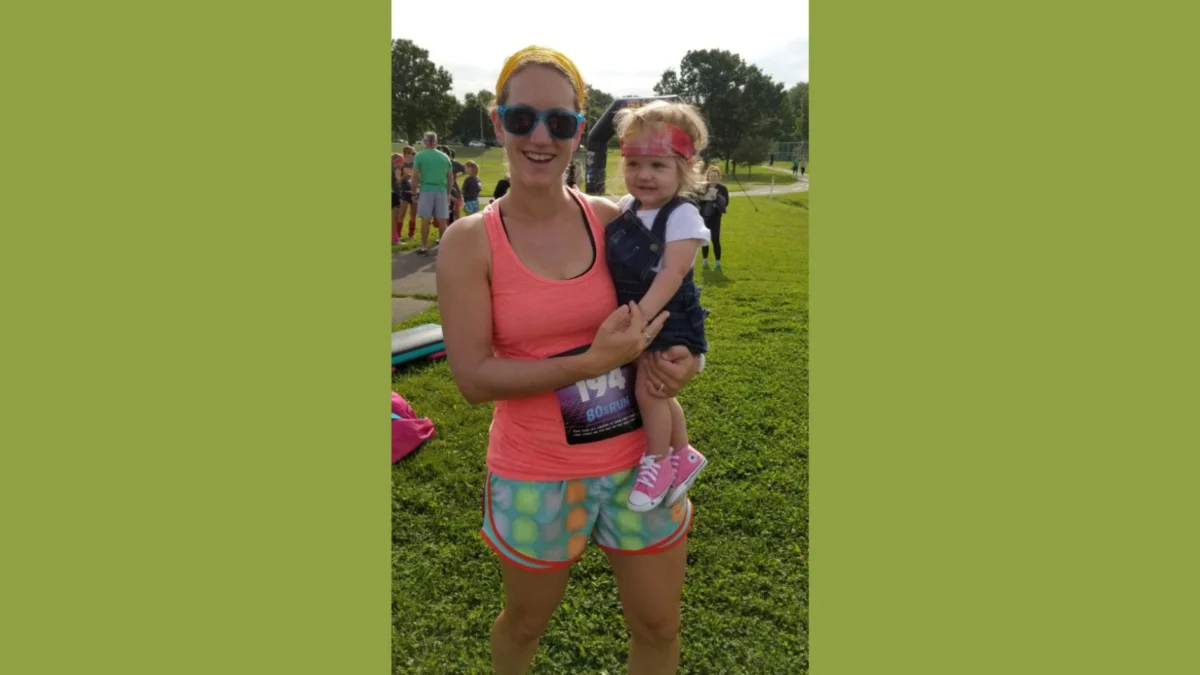
The annual convergence of thousands of distance runners in Duluth, Minnesota, for Grandma’s Marathon represents more than just a test of physical endurance; it serves as a critical nexus for national philanthropic efforts. As the 48th iteration of this iconic race approaches, the participation of Team CCRF (Children’s Cancer Research Fund) highlights a growing trend in the marathon circuit where personal athletic milestones are leveraged to address systemic gaps in medical funding. This year, the narratives of two specific runners, Tim Lapping and Tami Swenson, underscore the profound intersection between professional clinical insight, personal tragedy, and the pursuit of lifesaving advancements in pediatric oncology.
The Evolution and Significance of Grandma’s Marathon
Grandma’s Marathon, established in 1977, has evolved from a local race with 150 participants into one of the premier long-distance running events in the United States. Named after the Duluth-based Grandma’s Restaurant, the original sponsor, the race follows a scenic point-to-point course starting in Two Harbors and concluding in Duluth’s Canal Park. The event is renowned for its fast, flat course along the North Shore of Lake Superior, making it a perennial favorite for runners seeking Boston Marathon qualifying times.
Beyond its athletic prestige, the marathon weekend—which includes the Garry Bjorklund Half Marathon and the William A. Irvin 5K—generates an estimated $21 million in economic impact for the Duluth region. However, in recent decades, the event’s "Charity Partners" program has become a cornerstone of its social impact. Organizations like Team CCRF utilize the race’s high visibility to mobilize "charity bib" runners who commit to significant fundraising goals in exchange for race entry. This model has proven essential for non-profits that rely on community-driven revenue to fund high-stakes medical research.
From Clinical Research to the Racecourse: The Story of Tim Lapping
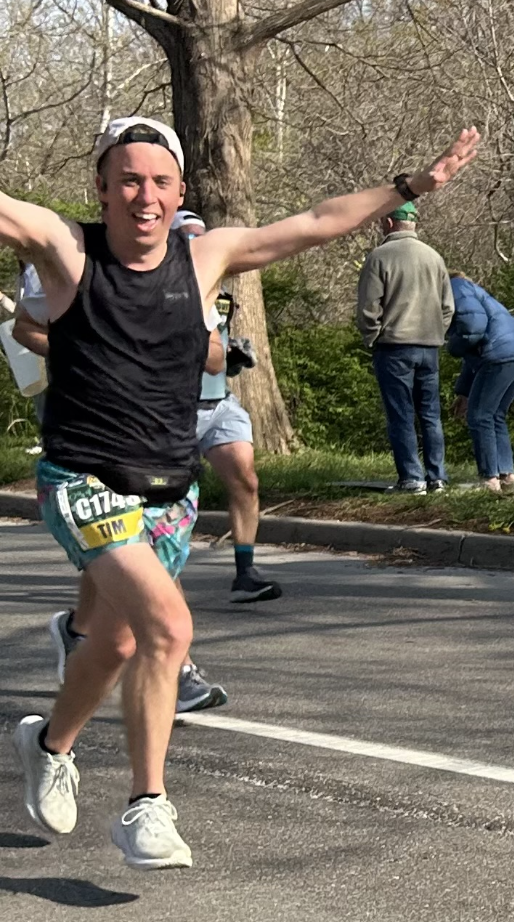
For Tim Lapping, a clinical research professional based in Kansas City, the decision to participate in his first-ever marathon at Grandma’s is the culmination of a career spent behind the scenes of medical breakthroughs. Lapping’s professional background involves over a decade of navigating the complexities of oncology studies, specifically within the environment of a children’s hospital. This experience provided him with a technical understanding of how donor-funded initiatives act as the primary catalyst for Phase I and Phase II clinical trials.
The professional became personal for Lapping when his nephew was diagnosed with leukemia at the age of four. Leukemia, the most common form of childhood cancer, accounts for nearly 30% of all pediatric cancer cases. While survival rates have improved significantly over the last half-century, the treatment protocols remain grueling and often result in long-term side effects.
Lapping’s nephew has been in remission for approximately two years, a milestone Lapping attributes directly to the decades of longitudinal research supported by organizations like CCRF. "I know that wouldn’t have been possible without years and years of research," Lapping noted, emphasizing that the current standard of care is built upon the contributions of past donors and trial participants.
Lapping’s training regimen—a disciplined four-day-a-week schedule—is framed not as a solitary pursuit of fitness, but as a symbolic extension of his work in clinical trials. By transforming his race weekend into a family event with his wife, Sophie, and sons, Freddie and Beau, Lapping aims to bridge the gap between the clinical laboratory and the community, illustrating that research is a collective human endeavor.
Running Through Grief: Tami Swenson’s Mission for Ada
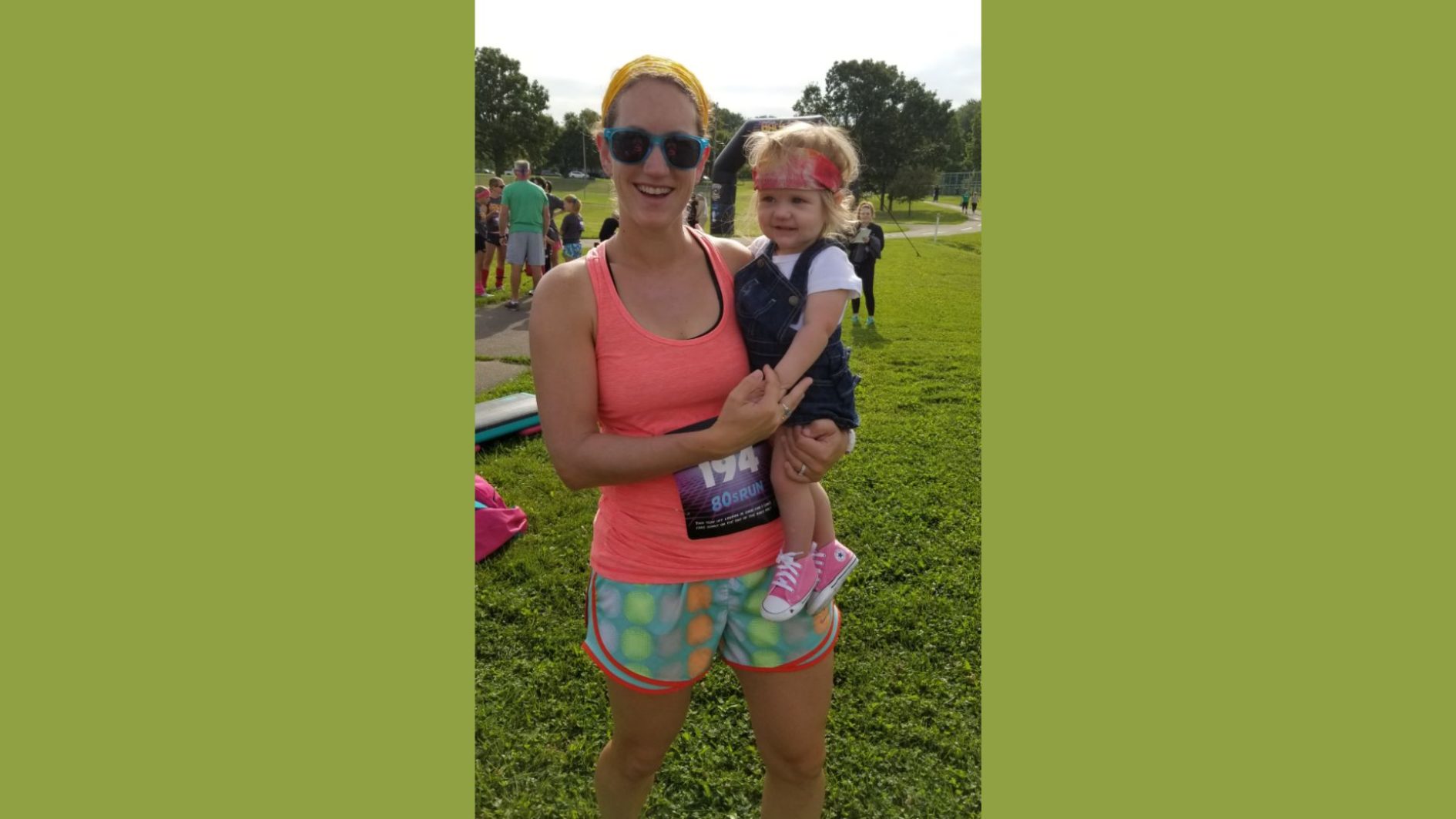
While Lapping runs to celebrate a survival story, Tami Swenson runs to honor a legacy and address the urgent need for more effective treatments. Swenson, a veteran of more than 15 marathons across California, brings a seasoned athletic perspective to Team CCRF. Her journey to Grandma’s Marathon, however, is fueled by the memory of her daughter, Ada, who passed away in 2023 at the age of five.
Ada’s battle with leukemia lasted 15 months, a period characterized by the full spectrum of modern pediatric oncology: intensive chemotherapy, a bone marrow transplant, and participation in two separate clinical trials. Swenson’s experience highlights a sobering reality in pediatric medicine: when standard protocols fail, clinical trials represent the only remaining hope for families.
During her treatment, Ada became a symbol of resilience within her hospital, often seen riding her bike through the corridors and carrying "C.C. Bear," the signature teddy bear provided by the Children’s Cancer Research Fund. For Tami, the marathon is an avenue to channel the "tough miles" of grief into a productive force. "When I’m having a tough time training, thinking about why I’m doing it gets me through the miles," she shared. Her participation in the Duluth race fulfills a long-held goal of experiencing the Midwest’s premier marathon while simultaneously raising funds to ensure other families might have different outcomes.
The Data Landscape: Why Pediatric Cancer Research Funding is Critical
The efforts of Team CCRF runners are necessitated by a significant disparity in how medical research is funded in the United States. According to data from the National Cancer Institute (NCI), while cancer is the leading cause of death by disease among children, pediatric cancer research receives only about 4% of the NCI’s annual budget. The vast majority of federal and pharmaceutical funding is directed toward adult cancers, which have larger patient populations and, consequently, higher profit margins for drug developers.
This "funding gap" means that breakthroughs in pediatric oncology are disproportionately dependent on private philanthropy. Organizations like CCRF fill this void by funding:
- Seed Grants: Providing initial capital for innovative researchers to test new theories.
- Clinical Trials: Supporting the infrastructure needed to bring new drugs from the lab to the bedside.
- Survivorship Programs: Researching the long-term effects of toxic treatments on developing bodies.
Statistical analysis shows that since the mid-1970s, the five-year survival rate for all childhood cancers has increased from 58% to approximately 85%. However, for certain subtypes of leukemia and brain tumors, the prognosis remains poor, and many survivors face lifelong health challenges—including secondary cancers and heart disease—due to the toxicity of current treatments.
The Role of Team CCRF and Community Response
Team CCRF serves as the athletic fundraising arm of the Children’s Cancer Research Fund. By providing a structured platform for athletes to raise money, the organization has turned major endurance events into high-yield fundraising campaigns. The community response in Duluth and across the country has been robust. Race organizers for Grandma’s Marathon have long championed the inclusion of charity teams, noting that these participants often bring a higher level of engagement and community spirit to the event.
Inferred reactions from the broader running community suggest that the presence of "cause-driven" runners alters the atmosphere of the race. Spectators along the North Shore frequently report that seeing jerseys dedicated to childhood cancer research provides a unique source of inspiration, particularly during the "wall" at mile 20. For the runners themselves, the psychological benefits of "altruistic running" are well-documented, with studies suggesting that having a purpose beyond personal achievement can improve pain tolerance and mental fortitude during extreme physical exertion.
Broader Impact and Policy Implications
The participation of Lapping and Swenson at Grandma’s Marathon reflects a broader societal shift toward individual-led advocacy. In an era where federal research budgets are subject to political fluctuations, the burden of progress often shifts to the private sector and individual donors.
The implications of this movement are twofold:
- Scientific Advancement: Every dollar raised by Team CCRF contributes to the high costs of genomic sequencing and immunotherapy research, which are the current frontiers of pediatric oncology.
- Public Awareness: Large-scale events like Grandma’s Marathon serve as a "loudspeaker" for the reality of childhood cancer, pushing the issue into the public consciousness and potentially influencing future policy decisions regarding NIH (National Institutes of Health) funding allocations.
As Tim Lapping and Tami Swenson prepare to traverse the 26.2 miles from Two Harbors to Duluth, their strides represent the collective hope of thousands of families. Their journey underscores the fact that while the finish line in Canal Park marks the end of the race, the pursuit of a world without childhood cancer is a marathon that continues long after the medals are distributed. Through the support of the Children’s Cancer Research Fund and the platform provided by Grandma’s Marathon, these athletes are ensuring that the path toward a cure is paved with every mile they run.
