
 By Budi Oetomo Narendra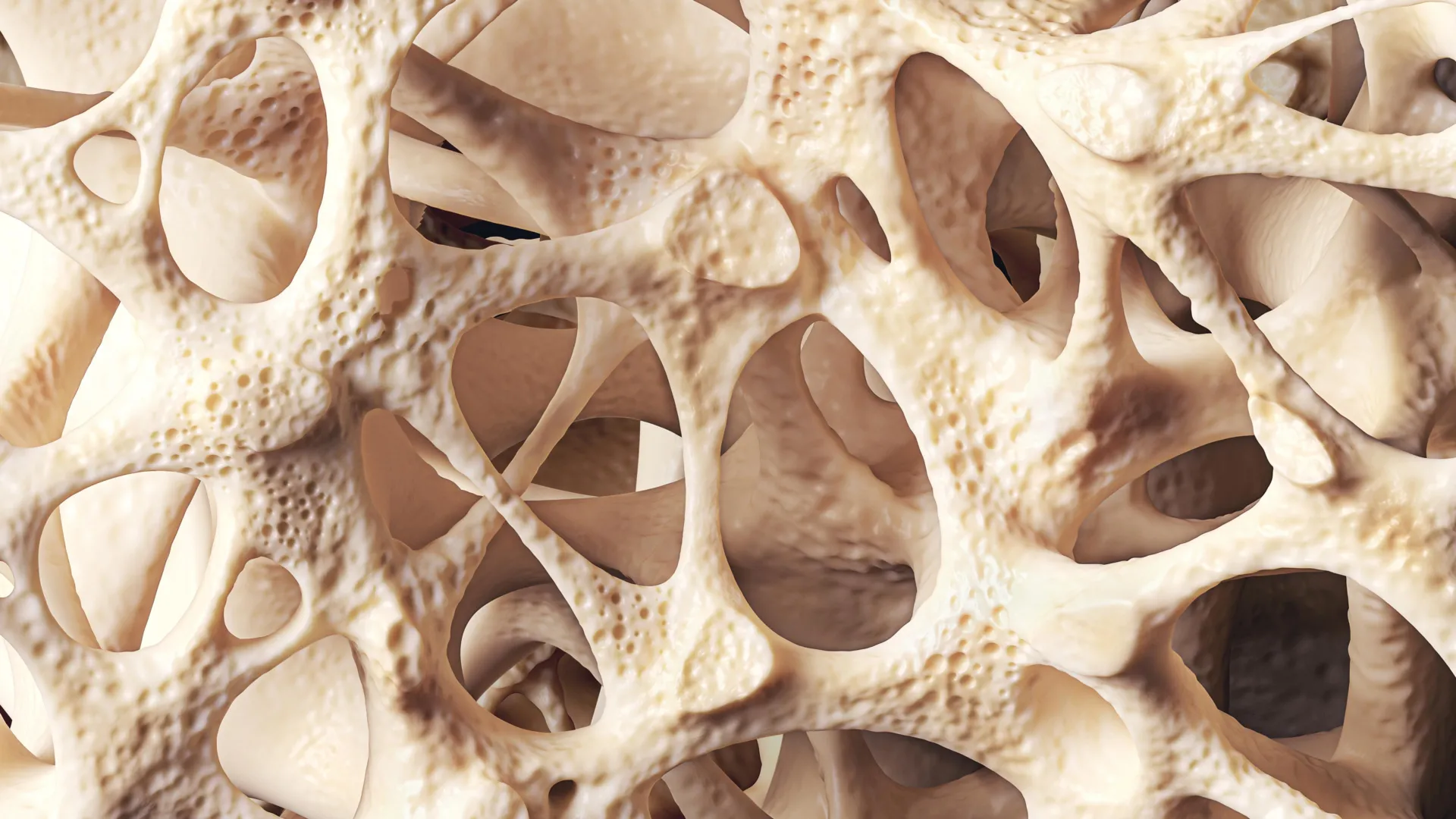
Around 40% of adults worldwide are affected by osteopenia, a condition characterized by a loss of bone mineral density. This pervasive yet often underestimated health issue serves as a critical precursor to osteoporosis, a more severe form of bone weakening that significantly elevates fracture risk. The condition is particularly prevalent among postmenopausal women and elderly adults, groups whose physiological changes predispose them to accelerated bone loss. In the United Kingdom alone, it is estimated that more than 500,000 fractures occur annually due to low bone density, underscoring the profound public health challenge posed by compromised bone health.
Osteopenia typically progresses silently, often without noticeable symptoms in its early stages. This insidious development means that many individuals remain unaware of their condition until they experience a fracture or undergo a bone density test, usually prompted by the presence of recognized risk factors such as advanced age or menopause. This lack of overt symptoms contributes to osteopenia being a significant yet frequently under-recognized public health concern, with far-reaching implications for individual well-being and healthcare systems globally.
The Dynamic Nature of Bone: A Lifelong Process
Bone is not a static structure but a highly dynamic tissue that undergoes continuous renewal through a complex biological process known as bone remodeling. This intricate cycle involves two primary phases: bone resorption, where old or damaged bone tissue is broken down by specialized cells called osteoclasts, and bone formation, where new bone tissue is laid down by osteoblasts. This constant equilibrium ensures the maintenance of bone strength, repair of micro-damage, and regulation of mineral homeostasis.
During early adulthood, this remodeling process is typically balanced, with bone resorption matching bone formation. Bone mass usually peaks around a person’s mid-20s to early-30s, representing the maximal bone density achieved over a lifetime. After this crucial peak, a gradual shift occurs where bone loss begins to exceed bone formation. This imbalance, which accelerates with age, progressively leads to a reduction in overall bone density, laying the groundwork for conditions like osteopenia and osteoporosis. Understanding this natural chronology of bone health is fundamental to appreciating the mechanisms behind age-related bone loss.
Prevalence and Socioeconomic Burden
The global prevalence of osteopenia, affecting nearly half of the adult population, translates into hundreds of millions of individuals at increased risk of fragility fractures. While specific global fracture statistics directly attributable to osteopenia are challenging to isolate from osteoporosis-related fractures, the sheer volume of low bone density fractures highlights a substantial and growing crisis. Fragility fractures, which occur from a fall from standing height or less, represent a significant burden on healthcare systems. The Royal Osteoporosis Society’s data for the UK, citing over half a million fractures annually, provides a stark indicator of the problem’s scale. These fractures, often occurring in the hip, spine, or wrist, can lead to chronic pain, disability, loss of independence, and even increased mortality, particularly in elderly populations.
The economic implications are staggering. The direct costs include emergency room visits, hospitalizations, surgical interventions, rehabilitation, and long-term care. Indirect costs encompass lost productivity for patients and caregivers, as well as the societal impact of reduced quality of life. Estimates suggest that the annual cost of fragility fractures runs into billions of dollars globally, placing immense strain on national health budgets and social services.
Key Risk Factors Accelerating Bone Loss
While aging remains the primary and unavoidable risk factor for bone loss, several additional factors can significantly accelerate this process, often making osteopenia a preventable or manageable condition if addressed early.
-
Hormonal Changes: The decline in estrogen levels after menopause is a critical driver of accelerated bone breakdown in women. Estrogen plays a protective role in bone health by modulating osteoclast activity and promoting bone formation. With the sharp drop in estrogen during menopause, bone resorption can outpace formation dramatically. This explains why approximately one in two women over the age of 50 will experience a fragility fracture in their lifetime. Similarly, in men, a decline in testosterone, though less abrupt, can also contribute to bone loss. Conditions affecting other hormone levels, such as hyperthyroidism or hyperparathyroidism, can also disrupt bone remodeling.
-
Lifestyle Factors: Modern lifestyles often exacerbate the natural decline in bone density.
- Smoking: Tobacco use is a well-established risk factor. Nicotine and other toxins in cigarettes can directly impair osteoblast function, increase osteoclast activity, and interfere with calcium absorption, leading to reduced bone strength.
- Excessive Alcohol Consumption: Chronic heavy drinking can hinder the body’s ability to absorb calcium and vitamin D, disrupt hormone levels vital for bone health, and increase the risk of falls, thereby escalating fracture risk.
- Physical Inactivity: Bones respond to mechanical stress. Weight-bearing and resistance exercises stimulate osteoblasts to build new bone. A sedentary lifestyle deprives bones of these essential stimuli, leading to weaker bone architecture over time.
- Dietary Deficiencies: Insufficient intake of calcium, the primary mineral component of bone, directly limits the body’s ability to build and maintain strong bones. Equally critical is a lack of vitamin D, which is essential for the efficient absorption of calcium from the gut. Global estimates suggest widespread vitamin D deficiency, particularly in regions with limited sun exposure or cultural practices that restrict skin exposure.
-
Medications and Underlying Health Conditions: Certain pharmaceutical treatments and chronic illnesses can significantly impact bone density.
- Long-term Steroid Use: Glucocorticoids, commonly used for inflammatory conditions, can directly inhibit osteoblast activity and increase bone resorption, leading to rapid bone loss.
- Gastrointestinal Disorders: Conditions such as Crohn’s disease, ulcerative colitis, and celiac disease can impair nutrient absorption, including calcium and vitamin D, leading to deficiencies that compromise bone health.
- Other Medical Conditions: Rheumatoid arthritis, chronic kidney disease, certain cancers and their treatments, and eating disorders can also increase the risk of osteopenia by affecting nutrient metabolism, hormonal balance, or inflammatory pathways.
Early Detection: The Cornerstone of Management
Detecting osteopenia early is paramount. It offers a critical window for intervention, allowing clinicians and patients to implement strategies that can significantly reduce the risk of fractures and, crucially, prevent the progression to osteoporosis, where bone loss is more advanced and the likelihood of debilitating fractures is substantially higher.
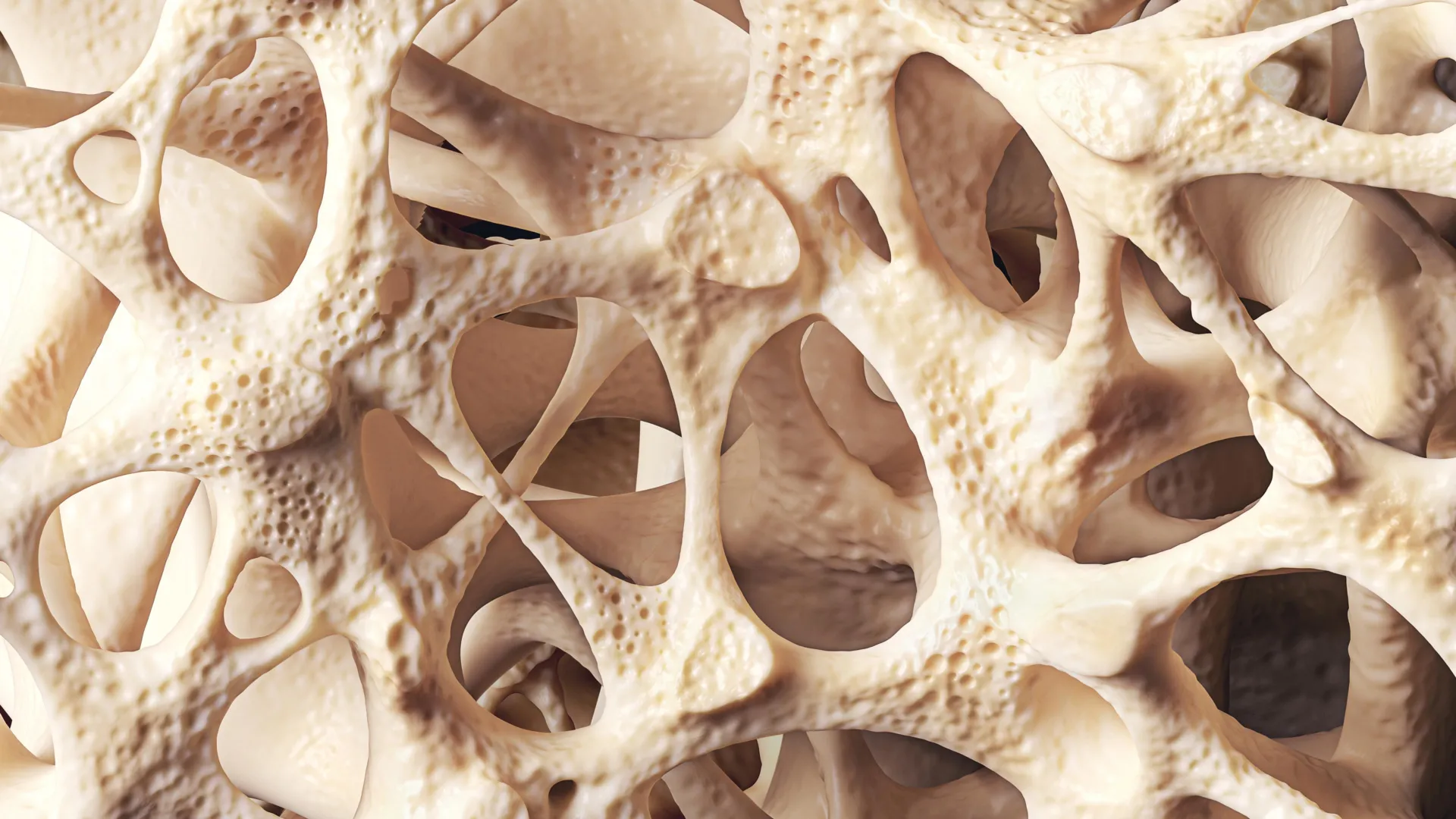
The gold standard for measuring bone mineral density (BMD) is a dual-energy X-ray absorptiometry (DXA) scan. This low-dose X-ray technology provides precise measurements of BMD, typically at the hip and spine, which are common sites for fragility fractures. DXA scan results are usually reported as a T-score, which compares a patient’s BMD to that of a healthy young adult of the same sex. A T-score between -1.0 and -2.5 standard deviations below the young adult mean indicates osteopenia. A T-score of -2.5 or lower meets the diagnostic criteria for osteoporosis. For premenopausal women and men under 50, a Z-score, which compares BMD to age-matched peers, is often used.
"Early and accurate diagnosis through DXA scans is fundamental," states Dr. Eleanor Vance, a consultant endocrinologist specializing in bone health. "It allows us to identify individuals at risk before they experience their first fracture, enabling proactive management rather than reactive treatment of complications." Public health organizations, such as the National Osteoporosis Foundation, advocate for targeted screening based on age, gender, and the presence of additional risk factors, urging greater awareness among both clinicians and the public about the importance of bone health assessments.
Comprehensive Management Strategies
The management of osteopenia is primarily centered on slowing down or preventing further bone loss and mitigating the risk of fractures. This comprehensive approach typically involves a combination of lifestyle modifications, nutritional support, and, in select high-risk cases, pharmacological intervention.
-
Lifestyle Adjustments:
- Exercise: Regular physical activity, particularly weight-bearing and resistance exercises, is a powerful stimulus for bone formation. Weight-bearing activities, such as walking, jogging, dancing, hiking, and stair climbing, place mechanical stress on bones, prompting them to adapt and become stronger. Resistance training, using weights, resistance bands, or body weight, further strengthens both bones and the surrounding muscles, improving stability and reducing fall risk. Research consistently demonstrates that consistent engagement in such activities is associated with improved bone mineral density and a reduced risk of osteoporosis. Furthermore, exercises like Tai Chi, known for their focus on balance and coordination, can significantly lower the risk of falls, a major precursor to fragility fractures, especially in older adults.
- Smoking Cessation and Moderate Alcohol Intake: Eliminating smoking and limiting alcohol consumption to recommended guidelines are crucial steps to remove significant accelerants of bone loss.
- Maintaining a Healthy Body Weight: Both underweight and overweight can negatively impact bone health. Being underweight can be associated with lower bone density, while severe obesity can increase fall risk and place undue stress on joints, though its direct impact on BMD is complex.
-
Nutritional Support:
- Calcium Intake: Adequate dietary calcium is fundamental for bone structure. The recommended daily allowance (RDA) for adults typically ranges from 1,000 to 1,200 milligrams, varying by age and sex. Excellent dietary sources include dairy products (milk, yogurt, cheese), fortified plant-based milks, leafy green vegetables (kale, broccoli), and certain fish (sardines with bones).
- Vitamin D: Vitamin D plays a crucial role in calcium absorption and bone mineralization. The body synthesizes vitamin D when skin is exposed to sunlight. However, factors such as geographic location, season, skin pigmentation, and sunscreen use can limit endogenous production. Dietary sources include fatty fish (salmon, mackerel), fortified foods (cereals, milk), and egg yolks. Due to widespread vitamin D deficiency, particularly in countries like the UK where sunlight exposure is limited for much of the year, supplementation is often advised. The NHS recommends a daily supplement of 10 micrograms (400 IU) for most adults, especially during autumn and winter.
- Other Nutrients: Magnesium, vitamin K, and phosphorus also play supporting roles in bone health, emphasizing the importance of a balanced and varied diet.
-
Pharmacological Interventions:
While not all individuals with osteopenia require drug treatment, clinicians utilize sophisticated fracture risk assessment tools, such as the FRAX tool, to evaluate an individual’s ten-year probability of experiencing a major osteoporotic fracture. This assessment considers various factors including age, bone mineral density, prior fragility fractures, steroid use, and other risk factors.
If the fracture risk is deemed high, or if a person has already experienced a fragility fracture, medications may be recommended. These typically include antiresorptive drugs, such as bisphosphonates (e.g., alendronate, risedronate). These medications work by slowing down the rate of bone breakdown by osteoclasts, thereby helping to maintain existing bone density and reduce further loss. While more commonly associated with the treatment of osteoporosis, recent research and evolving clinical guidelines suggest that certain high-risk patients with osteopenia can also benefit from these treatments to prevent fracture progression. Other medications, including selective estrogen receptor modulators (SERMs) or, in severe cases of osteoporosis, anabolic agents that stimulate new bone formation, represent further options within the broader spectrum of bone health management.
A Public Health Imperative: Beyond a Mild Condition
Osteopenia should not be dismissed as merely a mild or early form of osteoporosis. Instead, it must be recognized as a critical warning sign and a pivotal point for intervention. The progression from osteopenia to full-blown osteoporosis is not an inevitable outcome.
"Viewing osteopenia as a ‘pre-disease’ rather than a benign state is crucial," emphasizes Professor David Smith, a researcher in geriatric medicine. "It’s an alarm bell signaling that bone health is compromised and requires immediate attention to prevent more severe consequences." Evidence robustly suggests that early detection combined with targeted lifestyle changes and, when appropriate, medical intervention, can effectively maintain bone health, significantly slow the rate of bone loss, and substantially reduce the risk of developing osteoporosis later in life. In many documented cases, with consistent adherence to appropriate treatment and lifestyle adjustments, bone density may even show improvement.
However, effective prevention and management require a long-term perspective. Bone health is a cumulative reflection of our entire lifespan’s influences, encompassing dietary choices, levels of physical activity, and the hormonal shifts experienced over decades. Building and maintaining strong bones is a lifelong endeavor. Public health campaigns are increasingly focusing on promoting bone health from childhood through adolescence to ensure optimal peak bone mass is achieved, thereby providing a greater reserve against age-related decline.
The Road Ahead: Awareness, Research, and Policy
The implications of osteopenia extend beyond individual patient care, posing a significant challenge to global public health. Raising widespread awareness among the general public and healthcare professionals is paramount. Education on risk factors, the benefits of early screening, and the efficacy of preventative measures can empower individuals to take proactive steps.
Further research is continuously exploring new diagnostic tools, more personalized risk assessment models, and novel therapeutic agents that could offer more effective and tailored treatments. Genetic research is also shedding light on individual predispositions to bone loss, potentially paving the way for precision medicine in bone health.
Ultimately, maintaining healthy habits consistently throughout life remains the most effective strategy for protecting bone strength and mitigating the silent threat of osteopenia. This requires a concerted effort from individuals, healthcare providers, and policymakers to prioritize bone health as a fundamental component of overall well-being and a key target for preventative healthcare initiatives.
