
 By admin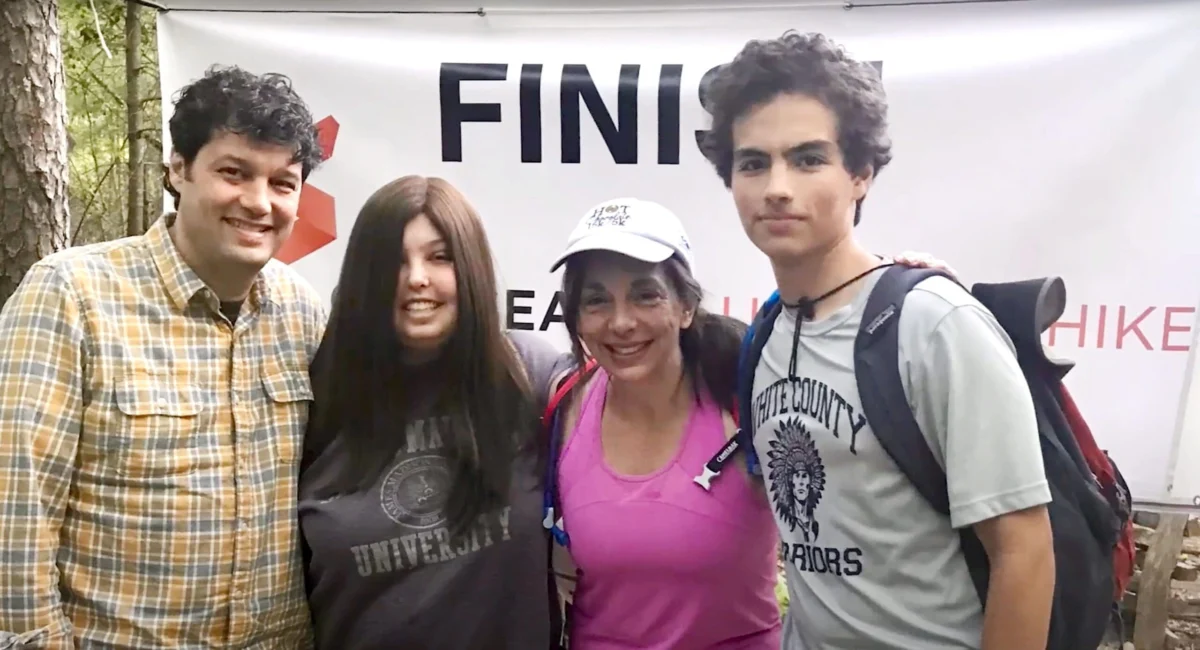
The CureSearch Ultimate Hike has emerged as a cornerstone of the national effort to address the critical funding gap in pediatric oncology, mobilizing thousands of participants to navigate rugged terrain in pursuit of a future free from childhood cancer. This initiative, characterized by its distinctive heart-and-map logo, serves as both a grueling physical challenge and a symbolic journey for families, survivors, and advocates. By combining endurance athletics with a targeted philanthropic mission, the program has become a vital source of revenue for CureSearch for Children’s Cancer, a national non-profit organization dedicated to accelerating the development of less toxic, more effective treatments for the youngest cancer patients. The movement is underpinned by the concept of the "heart of a lion," a metaphor for the resilience required by both the children undergoing treatment and the hikers who support them.
The Strategic Mission of the Ultimate Hike Program
The Ultimate Hike is not merely a recreational excursion; it is a structured endurance event designed to push participants to their physical limits while raising substantial funds for medical research. Most "Ultimate Hikes" consist of a 20- to 30-mile trek completed in a single day, often across some of the most challenging wilderness areas in the United States. The program targets the specific challenges of pediatric cancer, a field that historically receives a disproportionately small percentage of federal research funding. According to the National Cancer Institute, while cancer is the leading cause of death by disease in children, only approximately 4% of the federal budget for cancer research is allocated specifically to childhood cancers.
CureSearch utilizes the funds raised through these hikes to bridge this "funding gap." The organization’s strategy focuses on the "CureSearch Accelerator," a program designed to drive the most promising laboratory research into clinical trials. By providing the necessary capital to move beyond the "valley of death"—the period in drug development where promising research often stalls due to lack of funding—the Ultimate Hike directly contributes to the availability of new therapeutic options.
A Chronology of Advocacy and Resilience
The history of the Ultimate Hike is intertwined with the evolution of CureSearch itself. For decades, the organization has functioned as a conduit between researchers and the clinical environment. The hiking program was conceived as a way to engage the community in a high-impact, meaningful way that mirrored the "uphill battle" faced by families navigating a cancer diagnosis.
Over the years, the program has expanded from a single flagship hike to a nationwide series of events. These include the original trek on the Foothills Trail in North Carolina and South Carolina, as well as excursions in the Dolly Sods Wilderness of West Virginia and the Superior Hiking Trail in Minnesota. Each event follows a rigorous timeline:
- Registration and Recruitment: Hikers commit to a significant fundraising goal, often ranging from $2,500 to $5,000 or more.
- Training Cycles: Participants undergo a 12- to 16-week training program, which includes guided group hikes, cardiovascular conditioning, and gear orientation.
- Fundraising Phase: Utilizing digital platforms and community outreach, hikers educate their networks about the realities of pediatric cancer.
- The Hike Weekend: A multi-day event involving a pre-hike "pasta party" for morale, the hike itself (often starting before dawn), and a post-hike celebration.
The Human Element: Personal Narratives of Loss and Hope
The emotional core of the Ultimate Hike is found in the stories of those who walk the trail in honor or memory of a child. Terri Cohen, a long-time participant, exemplifies the deep personal connection many hikers have to the cause. Cohen began her journey with the organization while her daughter, Leah, was in the midst of her battle with cancer.
"The first time I did this hike was when Leah was toward the end of her battle," Cohen recalled. "My son and I signed up to take the hike and at that time she was doing pretty well, so she met us at the finish line. It’s a moment that I will forever hold in my heart."
For families like the Cohens, the hike serves as a communal space for grief and healing. The "finish line" becomes a place of profound significance, representing both the end of a physical ordeal and a milestone in a much longer emotional journey. These narratives are central to the program’s success, as they humanize the statistics and provide a face to the urgent need for better treatments.
Statistical Landscape of Pediatric Oncology
The urgency of the Ultimate Hike is underscored by sobering data regarding childhood cancer in the United States. Every year, an estimated 15,000 children and adolescents under the age of 20 are diagnosed with cancer. While overall survival rates have improved to approximately 80% over the last several decades, these figures mask the reality of specific, hard-to-treat sub-types. For instance, certain forms of pediatric brain tumors and high-risk neuroblastomas still carry much lower survival rates.
Furthermore, the "success" of current treatments often comes at a high cost. Because many pediatric treatments are adapted from adult protocols, they can be excessively toxic to developing bodies. It is estimated that more than 95% of childhood cancer survivors will develop a chronic health condition by the age of 45 as a direct result of their treatment. These "late effects" include secondary cancers, heart disease, infertility, and cognitive impairments. The Ultimate Hike specifically funds research into "targeted therapies" that aim to kill cancer cells while sparing healthy tissue, thereby reducing the long-term burden on survivors.
Organizational Impact and Research Funding Allocation
CureSearch for Children’s Cancer maintains a rigorous peer-review process to ensure that the funds raised by Ultimate Hikers are directed toward the most impactful science. The organization’s Scientific Advisory Board, composed of leading experts in the field, evaluates proposals based on their potential to reach clinical application within a short timeframe.
Since its inception, the Ultimate Hike has contributed millions of dollars toward these efforts. The funding is typically divided into several key categories:
- Young Investigators: Supporting early-career scientists who bring fresh perspectives and innovative technologies to pediatric oncology.
- Translational Research: Funding the transition of laboratory discoveries into the first phase of human clinical trials.
- International Collaborations: Recognizing that pediatric cancer is rare, CureSearch often funds collaborative efforts that span multiple institutions and countries to ensure a sufficient patient population for clinical studies.
Broader Implications and the Path Forward
The success of the Ultimate Hike reflects a broader trend in "peer-to-peer" fundraising, where individuals leverage their personal networks and physical achievements to support a cause. However, the Ultimate Hike is unique in its emphasis on the "rugged" nature of the experience. The difficulty of the terrain is a deliberate choice, intended to foster a sense of shared hardship and solidarity with patients.
As the program continues to grow, it faces the challenge of maintaining its intimate community feel while scaling its impact. The integration of new technologies, such as virtual hiking options and enhanced digital fundraising tools, has allowed the movement to reach a global audience. Yet, the core of the experience remains the physical act of walking—carrying the names of "honored hikers" (children currently in treatment) and "forever hikers" (those who have passed away) on one’s pack.
The implications of this movement extend beyond the immediate financial gains. By raising awareness in local communities across the country, Ultimate Hikers are effectively lobbying for a change in how society views and prioritizes pediatric health. The "heart of a lion" serves as a reminder that while the journey toward a cure is long and arduous, it is a path that no family should have to walk alone.
Through the sustained efforts of participants like Terri Cohen and the strategic oversight of CureSearch, the Ultimate Hike remains a vital engine for progress. Each step taken on the trail is a step toward a world where a cancer diagnosis is no longer a life-altering trauma for a child, but a manageable condition with a guaranteed cure. The commitment to this mission remains steadfast, fueled by the love, faith, and courage of a community that refuses to accept the status quo in pediatric oncology.
