
 By Lina carolina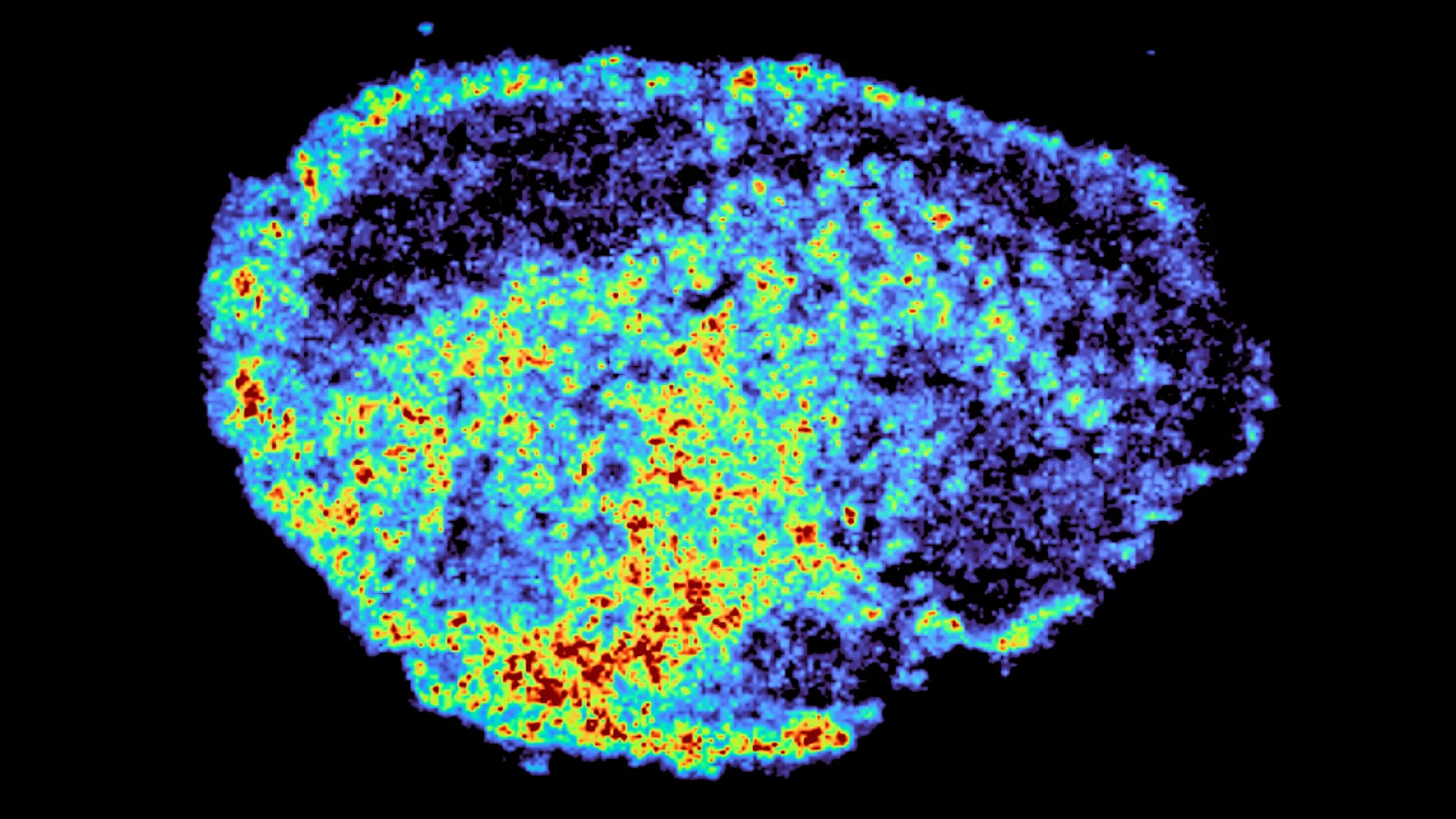
One of the most persistent and perplexing challenges in modern cancer care is the stark reality that a groundbreaking therapy, hailed for its revolutionary impact, can be a lifeline for one patient while proving utterly ineffective for another. This inherent variability in treatment response underscores a fundamental gap in our understanding of how cancer drugs interact with the complex biological machinery of tumors. Now, a seminal study published in the prestigious journal Nature Communications, spearheaded by Dr. Louise Fets and her team at the MRC Laboratory of Medical Sciences (LMS), sheds critical new light on this enigma. Their meticulous research zeroes in on PARP inhibitors, a pivotal class of targeted cancer drugs, employing cutting-edge imaging technologies to meticulously track their journey within ovarian tumor samples, revealing a hidden cellular mechanism that profoundly influences treatment outcomes.
The core finding of this groundbreaking research indicates that these potent drugs can accumulate within lysosomes, the cell’s ubiquitous "recycling centers." Once ensnared within these organelles, the PARP inhibitors can become sequestered, or "trapped," only to be released later, thereby directly impacting the drug’s ultimate efficacy and the patient’s response to treatment. This discovery offers a tangible explanation for why the same drug can elicit dramatically different results across individuals.
Mapping the Labyrinth: Visualizing Drug Distribution in Tumors
The landscape of cancer treatment has undergone a dramatic transformation in recent years, with an explosion of novel therapies leading to significantly improved prognoses for countless patients. Among these advancements, PARP inhibitors have emerged as a particularly transformative force, revolutionizing the management of ovarian cancer and showing promise in other malignancy types. However, the persistent issue of non-response and the eventual development of resistance in a subset of patients remain significant hurdles. For PARP inhibitors to exert their life-saving effects, they must achieve sufficiently high concentrations within cancer cells to initiate programmed cell death, a process known as apoptosis. Despite this critical requirement, our comprehension of how these drugs distribute throughout tumor masses and, crucially, what governs this distribution at the cellular level, has remained surprisingly limited.
This latest research from the LMS team unequivocally demonstrates that the effectiveness of a cancer drug is not solely contingent upon its initial delivery to the tumor site. Rather, its journey within the tumor’s intricate architecture and, more specifically, its intracellular distribution, plays an equally, if not more, pivotal role. To investigate this complex phenomenon, the researchers utilized meticulously prepared slices of human ovarian tumors, surgically removed from patients and maintained in a viable state ex vivo. These meticulously preserved samples, termed "explants," were then exposed to PARP inhibitors. This innovative approach allowed the scientists to directly observe and quantify the movement and accumulation of these drugs within authentic human tumor tissue, bypassing some of the complexities of in vivo studies.
Leveraging the power of mass spectrometry imaging, the research team was able to generate extraordinarily detailed maps, precisely delineating the locations of drug accumulation within the tumor samples. Complementing this, they employed spatial transcriptomics, a sophisticated technique that permits the simultaneous examination of gene expression patterns in specific regions of the tissue, allowing them to correlate drug concentration with cellular activity. The resulting data revealed astonishing variations in drug distribution, not only between different regions of the same tumor but also strikingly between samples from different patients, even when subjected to identical drug dosages.
Dr. Zoe Hall, a senior author on the study and Associate Professor at Imperial College London’s Department of Metabolism, Digestion and Reproduction, highlighted the novelty of their approach: "A novel aspect of this study was the use of mass spectrometry imaging to directly measure and visualize drug uptake in patient tumour tissue. Through the spatial mapping of drug molecules, we could pinpoint regions of high and low drug and compare gene expression, from the same tissue slice, using spatial transcriptomics." This dual-pronged imaging approach provided an unprecedented granular view of drug behavior within the tumor microenvironment.
Lysosomes: The Unseen Warehouses of Cancer Drugs
The study’s most significant revelation is the central role played by lysosomes in this observed uneven drug distribution. The research uncovered that certain PARP inhibitors are actively taken up by these cellular organelles and, rather than dispersing evenly throughout the cell, become sequestered within them. This process effectively creates intracellular "reservoirs" where the drugs accumulate.
These lysosomal accumulations function as slow-release depots. By holding onto the drug and gradually releasing it, lysosomes can lead to prolonged and elevated exposure of certain cancer cells to the therapeutic agent, while simultaneously leaving other cells with significantly lower drug concentrations. Crucially, this phenomenon is not uniform across all PARP inhibitors. The study specifically identified that drugs such as rucaparib and niraparib are susceptible to this lysosomal sequestration, whereas others, like olaparib, appear to be less affected. This differential behavior suggests a molecular basis for variations in response even within the same drug class.
Dr. Carmen Ramirez Moncayo, the study’s first author and a Postdoctoral Researcher at the LMS, expressed her surprise at the findings: "We were surprised to see large variability in drug accumulation at the single-cell level. This variability was driven by the build-up of a drug in lysosomes, which are acting as reservoirs, increasing the exposure of cancer cells to drugs, by storing and releasing the drug when needed." This insight into the dynamic interaction between PARP inhibitors and lysosomes opens up new avenues for understanding and potentially manipulating drug delivery.
Implications for the Future of Personalized Cancer Therapy
PARP inhibitors have already become a cornerstone in the treatment of ovarian, breast, and prostate cancers, and their therapeutic potential is being actively explored across a wide spectrum of other cancer types. The profound insights gleaned from this research into how these drugs are stored and distributed within cells carry immense implications for the future of cancer treatment. A deeper understanding of lysosomal sequestration could pave the way for the development of more sophisticated, personalized treatment strategies. This could lead to enhanced therapeutic effectiveness, a reduction in the development of drug resistance, and ultimately, a decrease in cancer relapse rates.
Dr. Louise Fets, a senior author and Head of the LMS’ Drug Transport and Tumour Metabolism Group, articulated the long-term vision: "By understanding how drugs are taken up into cells, we can understand whether this influences why cancer drugs work for some people and not for others. Eventually, we hope to be able to study the molecular signature of a patient’s tumor to help to tailor therapeutic approaches in a more personalized way." The ultimate goal is to move towards a paradigm where treatment regimens are precisely tailored to the unique biological characteristics of an individual patient’s tumor, maximizing efficacy and minimizing toxicity.
It is important to acknowledge the limitations of the current study, which utilized tumor tissue maintained ex vivo. In a living patient, drug delivery occurs via the bloodstream, and the often disorganized vascular networks within tumors can further exacerbate uneven drug distribution. Future research endeavors will therefore focus on utilizing animal models and larger, more diverse patient cohorts. These studies will aim to elucidate the complex interplay between drug delivery mechanisms, tumor architecture, and the extent of lysosomal storage in clinical settings, with a particular focus on understanding these dynamics in relapsed cancers. This comprehensive approach is essential for translating these groundbreaking laboratory findings into tangible clinical benefits for patients.
The research was generously supported by funding from the Medical Research Council, Cancer Research UK, a PhD studentship from the Integrative Toxicology Training Partnership administered by the MRC Toxicology Unit, and a Victoria’s Secret Global Fund for Women’s Cancers Career Development Award, in partnership with Pelotonia and AACR. This multi-faceted support underscores the significance and collaborative nature of this critical advancement in cancer research.
