
 By admin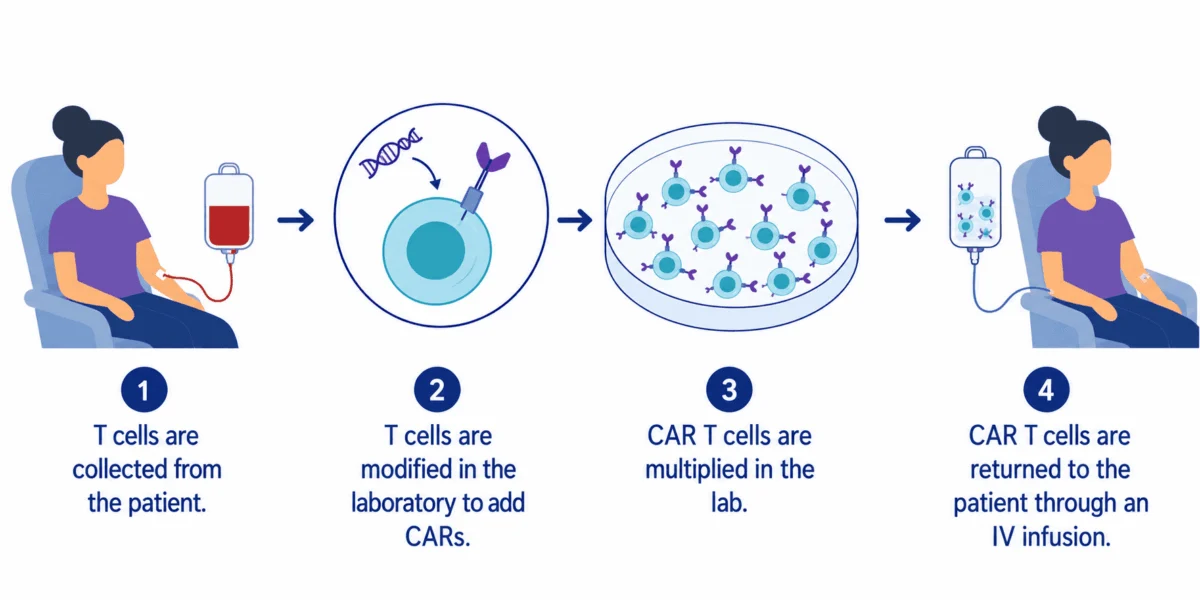
The long-term quality of life for cancer survivors, particularly younger patients, is increasingly coming into focus as medical advancements lead to higher survival rates. Among the myriad concerns that arise post-treatment, the potential impact on fertility stands as a paramount issue. In a significant effort to address this, researchers from Blood Cancer United, Moffitt Cancer Center, and University of Florida Health have launched a pivotal study, directly surveying adults who have undergone Chimeric Antigen Receptor (CAR) T-cell therapy to better understand its effects on reproductive health. This initiative aims to gather robust, patient-reported data, shedding light on whether this revolutionary immunotherapy influences fertility and, if so, for which patient demographics.
September, recognized as Blood Cancer Awareness Month, serves as a timely reminder of the dual progress in oncology: not only are treatments becoming more effective, but the ensuing challenges of survivorship are gaining the critical attention they deserve. For many facing a cancer diagnosis, the immediate question is undoubtedly about efficacy and survival. However, as the prognosis improves for conditions once deemed incurable, the conversation naturally expands to encompass life beyond the disease—a life that, for younger individuals, often includes aspirations of parenthood. The current research endeavor marks a crucial step in ensuring that treatment decisions are made with a comprehensive understanding of potential long-term implications, allowing patients and their care teams to plan for their future with greater clarity.
The Rise of CAR T-Cell Therapy: A Paradigm Shift in Cancer Treatment
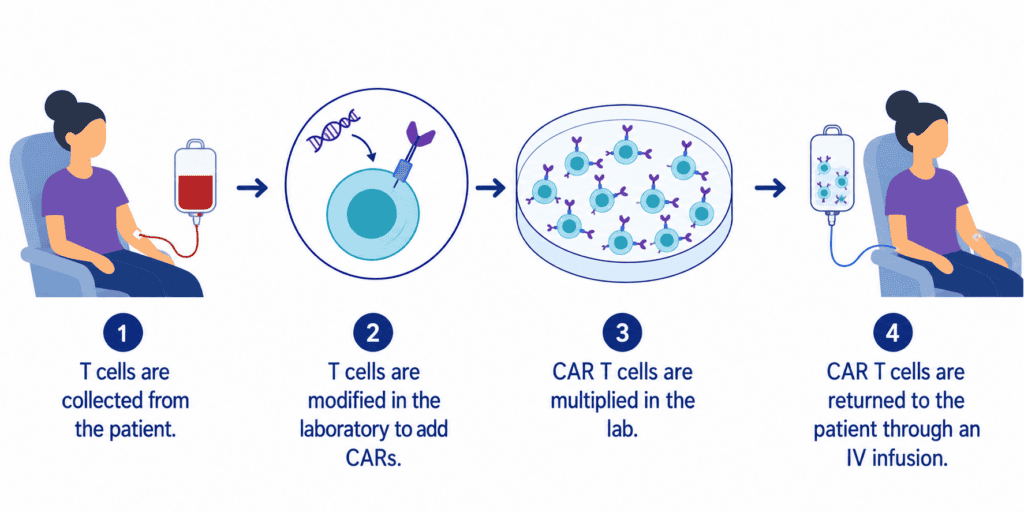
CAR T-cell therapy represents one of the most transformative breakthroughs in cancer treatment in recent decades. It is a highly specialized form of immunotherapy that harnesses the patient’s own immune system to combat cancer. The process involves collecting a patient’s T cells, a type of white blood cell crucial for immune response, and genetically modifying them in a laboratory. A "chimeric antigen receptor" (CAR) is introduced into these T cells, equipping them with the ability to precisely identify and target specific proteins on cancer cells. Once engineered, these enhanced CAR T cells are multiplied to vast numbers and then infused back into the patient, where they act as a "living drug," seeking out and destroying malignant cells that carry the designated target.
This groundbreaking approach did not emerge overnight; it is the culmination of decades of meticulous research into immunology and cancer biology. Key milestones punctuate its journey from concept to clinical reality. Early research in the 1980s and 1990s laid the groundwork, exploring how T cells could be engineered. A major turning point arrived in 2010, when pioneering work led by CRI Scientific Advisory Member Carl June, MD, demonstrated that CAR T cells could induce durable remissions in patients with refractory chronic lymphocytic leukemia. This success ignited widespread excitement and accelerated further clinical development. The subsequent years saw rapid progress, leading to the historic approval of the first CAR T-cell therapy by the U.S. Food and Drug Administration (FDA) in 2017. Since then, several CAR T-cell treatments have been approved for various aggressive blood cancers, including certain leukemias, lymphomas, and multiple myeloma, dramatically improving outcomes for patients who previously had limited options. The expanding application of CAR T-cell therapy, and its remarkable efficacy, means that a growing population of survivors is now confronting questions about their post-treatment lives, including fertility.
Navigating the Unknown: Why Fertility Data for CAR T is Scarce
Despite its revolutionary impact, the specific effects of CAR T-cell therapy on fertility remain largely underexplored. This knowledge gap stems from several factors inherent to the patient population and the nature of the treatment’s evolution. Historically, CAR T-cell therapy was initially reserved for patients with highly aggressive blood cancers that had either relapsed multiple times or failed to respond to conventional therapies. These individuals often presented with advanced disease and had already endured extensive prior treatments.
Many CAR T recipients have a history of receiving highly gonadotoxic therapies such as chemotherapy, radiation, and even stem cell transplantation—treatments unequivocally known to impair fertility. For instance, alkylating agents in chemotherapy can directly damage ovarian follicles and testicular germ cells, leading to premature ovarian insufficiency in women and azoospermia or oligospermia in men. Pelvic or total body irradiation can also significantly compromise reproductive organs. Stem cell transplantation, often preceded by intensive conditioning regimens, further compounds these risks. Moreover, patients undergoing CAR T-cell infusion typically receive a brief course of lymphodepleting chemotherapy just prior to the T-cell infusion. This preparatory regimen is crucial for creating an optimal environment for the engineered T cells to expand and persist, but it adds another layer of potential fertility risk.
Consequently, when a patient experiences fertility challenges after CAR T-cell therapy, it becomes incredibly difficult to isolate CAR T-cell therapy itself as the sole or primary cause. The observed effects could be attributed to the cumulative impact of earlier cancer treatments, the patient’s age at diagnosis, the underlying disease itself, or a complex interplay of these and other factors. This intricate web of variables has historically made it challenging for researchers to definitively ascertain the independent effect of CAR T on reproductive function through traditional retrospective studies. This complexity underscores the urgent need for dedicated research specifically designed to untangle these variables and provide clearer answers.
A Direct Approach: The CAR-T Fertility Survey
Recognizing this critical information void, the collaborative research team from Blood Cancer United, Moffitt Cancer Center, and University of Florida Health devised an innovative strategy: a patient-facing survey. This approach directly solicits fertility experiences from adults who have undergone CAR T-cell therapy for blood cancer, offering a unique opportunity to gather first-hand accounts that might bypass some of the confounding factors present in medical records. By engaging patients directly, the study aims to capture a more nuanced and comprehensive picture of fertility outcomes and concerns.
Preliminary results from the initial 106 respondents offer an important, albeit early, glimpse into the landscape. Among these individuals, 32 expressed a desire to have children after their CAR T-cell therapy, and 12 subsequently attempted to conceive. Encouragingly, six pregnancies were reported within this group: four by female respondents and two by partners of male respondents. At the time of the preliminary analysis, three of these pregnancies had resulted in live births, with the other three still ongoing. Notably, none of the six reported using assisted reproductive technology (ART), suggesting natural conception occurred.
While these early findings are undoubtedly encouraging as they demonstrate that conception and live births can occur post-CAR T therapy, it is crucial to interpret them with caution. The results do not yet quantify the overall impact of CAR T-cell therapy on fertility, nor do they indicate how frequently fertility might be affected, or identify specific patient groups who might be at higher risk. As Dr. Nina Logan, Senior Director of Research & Clinical Programs at Blood Cancer United, articulated, "These early findings are encouraging, but they also highlight how much we still need to learn. Our goal is to give patients and their care teams better information about fertility after CAR T-cell therapy so they can have informed conversations about treatment, survivorship, and their plans for the future." This sentiment underscores the ongoing commitment to robust data collection and analysis to provide actionable insights for the oncology community and patients alike.
Broader Perspectives: Insights from Autoimmune Disease Studies
To further enrich the understanding of CAR T-cell therapy’s potential effects on fertility, researchers are also looking beyond oncology. CAR T-cell therapies are increasingly being explored for their therapeutic potential in autoimmune diseases, such as lupus. Patients with autoimmune conditions often present with different disease profiles and treatment histories compared to cancer patients; specifically, they may not have received the same aggressive, multi-line cytotoxic therapies that are common in blood cancer treatment. This difference could offer a "cleaner" view of CAR T-cell therapy’s isolated impact on reproductive health.
A 2026 report provided valuable initial data from this cohort, describing 14 pregnancies among 13 patients who had previously received CAR T-cell therapy for autoimmune disease. At the time of publication, eight healthy infants had been born. While these findings involve a small number of patients and cannot be directly extrapolated to cancer survivors, they contribute significantly to the growing body of knowledge about reproductive health post-CAR T-cell therapy. They suggest that the therapy itself, in certain contexts, may not preclude the possibility of conception and successful pregnancies. Combined with the emerging data from cancer survivors, these diverse patient experiences are vital for building a comprehensive understanding.
The Imperative for Informed Decisions: Implications for Future Care
The ultimate goal of this research is to empower both patients and clinicians. If future studies can definitively clarify whether and how CAR T-cell therapy affects fertility, healthcare providers can offer much clearer, evidence-based guidance. This guidance would encompass crucial discussions about potential fertility risks, the availability and appropriateness of fertility preservation options before treatment, and various family-building strategies after treatment.
Fertility preservation options, such as sperm banking, egg freezing (oocyte cryopreservation), or embryo cryopreservation, are vital considerations for younger cancer patients. Initiating these conversations early, ideally before the start of any potentially gonadotoxic therapy, is paramount. However, the urgency of some cancer treatments, including CAR T-cell therapy, can sometimes limit the window for such procedures. Therefore, understanding the specific risks associated with CAR T-cell therapy will enable more precise and timely counseling. For those who have already undergone treatment, clear information can guide decisions about pursuing assisted reproductive technologies, exploring surrogacy, or considering adoption as pathways to parenthood.
The CAR T-Cell Therapy and Fertility Survey is a cornerstone of this broader investigative effort. Researchers plan to expand their analysis to include a larger and more diverse patient population, integrating not only patient-reported experiences but also objective laboratory measures related to fertility, where available. This multi-faceted approach aims to build a robust evidence base that will inform clinical practice and patient counseling for years to come. By actively participating and sharing their invaluable experiences, patients become integral partners in advancing medical knowledge, ultimately shaping better treatment and survivorship care for future generations.
A Call to Action for Survivors
For adults aged 18 and older who have received CAR T-cell therapy for blood cancer, the opportunity to contribute to this vital research is ongoing. The CAR-T Fertility Survey remains open, inviting participants to share their unique experiences. Each shared narrative adds another piece to the complex puzzle, helping researchers construct a clearer picture of fertility outcomes after CAR T-cell therapy. This collective effort is essential to ensure that advances in cancer treatment are matched by an equally robust understanding of life beyond the disease, affirming that a longer life after cancer can also be a fulfilling one, inclusive of family aspirations.
Sources
- Pediatric cancer immunotherapy and potential for impact on fertility: A need for evidence-based guidance. Transplant Cell Ther, 2024.
- Fertility outcomes following CAR T-cell therapy: Results from a patient-facing survey. Tandem Meetings | Transplantation & Cellular Therapy Meetings of ASTCT and CIBMTR, 2026.
- Pregnancies in patients with autoimmune disease receiving CAR T-cell therapy. N Engl J Med, 2026.
- Approved Cellular and Gene Therapy Products. U.S. Food and Drug Administration, 2026.
Disclaimer: We are sharing this research opportunity for informational purposes only. CRI does not endorse or recommend the study, participation in the study, or the study sponsor. CRI is not involved in conducting the study or determining who is eligible to participate. If you are interested in learning more, please contact the study team directly using the information provided.
