
 By admin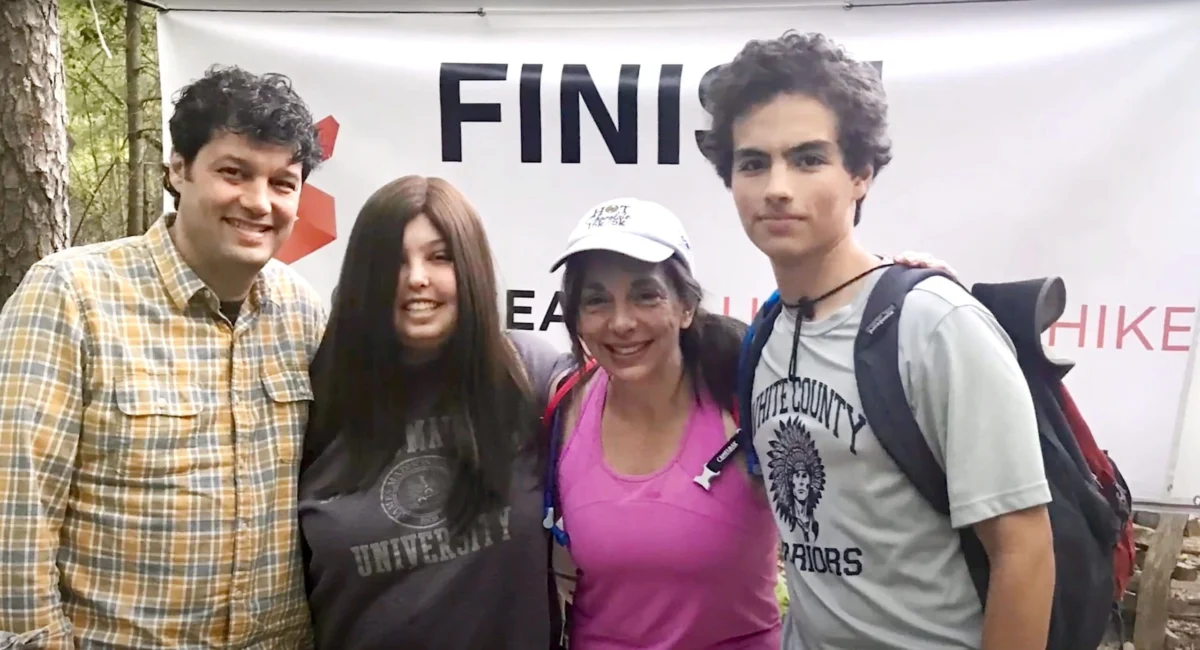
The CureSearch Ultimate Hike stands as a cornerstone of national efforts to fund specialized research for childhood cancer, utilizing high-endurance trekking as a vehicle for both philanthropic engagement and public awareness. By challenging participants to navigate rugged terrain over long distances, the program mirrors the arduous journey faced by pediatric patients and their families. This initiative is not merely a test of physical stamina; it is a structured fundraising engine designed to bridge the significant funding gap in the development of life-saving treatments for children, who often lack the same level of pharmaceutical investment as adult oncology.
The Evolution of a Philanthropic Trek
CureSearch for Children’s Cancer, a national non-profit organization, established the Ultimate Hike to address a specific niche in the charitable landscape: the intersection of extreme outdoor recreation and medical advocacy. While traditional 5K runs and walks are common in the non-profit sector, the Ultimate Hike is distinct in its intensity. Participants typically commit to a 28.3-mile trek completed in a single day, often across some of the most challenging trail systems in the United States, including the Foothills Trail in the Carolinas and various sections of the Appalachian Trail.
The program was conceived to symbolize the "relentless courage" required of children battling cancer. The organization’s branding—a heart containing a topographical map—serves as a visual representation of this mission. It underscores the dual nature of the event: the emotional core of the cause and the physical reality of the journey. Since its inception, the program has grown into a national series, drawing hikers from across the country who undergo months of training and fundraising to prepare for the event.
The Current State of Childhood Cancer Research
The urgency behind the Ultimate Hike is underscored by sobering statistics within the field of pediatric oncology. According to data from the National Cancer Institute (NCI) and the American Cancer Society, cancer remains the leading cause of death by disease for children in the United States. Approximately 15,000 children and adolescents are diagnosed with cancer each year. While overall survival rates have improved significantly over the last several decades—climbing to over 80% for many types of cancer—those figures are misleadingly optimistic for certain high-risk or rare diagnoses.
A primary challenge in the field is the "Valley of Death" in drug development, a term used to describe the gap between laboratory discovery and clinical application. Because pediatric cancers are biologically distinct from adult cancers and represent a smaller market for pharmaceutical companies, investment in new pediatric drugs often lags. CureSearch addresses this by funding research specifically aimed at the most difficult-to-treat pediatric cancers, ensuring that promising therapies do not stall in the laboratory. The funds raised through the Ultimate Hike are directed toward these "Accelerating Impact" and "Catapult" awards, which focus on getting new treatments to clinical trials faster.
The 28.3-Mile Challenge: A Test of Endurance and Empathy
The standard distance of an Ultimate Hike—28.3 miles—is intentional. It is designed to be difficult, pushing hikers to their physical and mental limits. This difficulty serves as a bridge of empathy between the hiker and the patient. Participants often report that when they reach the "wall" of exhaustion around mile 20, they draw motivation from the children they are hiking for, many of whom endure years of toxic treatments, surgeries, and hospitalizations.
The terrain is selected for its ruggedness. Depending on the location, hikers may face thousands of feet of elevation gain, technical rocky paths, and unpredictable weather. This environmental adversity is a key component of the event’s identity. It transforms a standard fundraiser into a transformative experience, fostering a deep sense of community among participants who are united by a singular, high-stakes mission.
Personal Narratives: The Case of Leah’s Legacy
The human element of the Ultimate Hike is best exemplified by the stories of the families involved. For many, the hike is a form of active grieving or a way to honor a survivor’s journey. Terri Cohen, a long-time supporter of the program, represents the profound personal stakes involved in the event. Cohen began her journey with the Ultimate Hike while her daughter, Leah, was in the midst of a courageous battle with cancer.
In a poignant reflection on her first experience, Cohen recalls her son joining her for the trek. At that stage of her treatment, Leah was healthy enough to meet them at the finish line—a memory Cohen describes as a permanent fixture in her heart. Following Leah’s passing, Cohen continued to hike in her memory, transforming her personal loss into a catalyst for change. This narrative is common among the "Ultimate Hike" community; participants often wear ribbons or carry photos of "honor trail" children, ensuring that the names of those affected by cancer are spoken and remembered throughout the miles.
Financial Impact and the Research Pipeline
The financial contributions of the Ultimate Hike are substantial. Each hiker commits to a significant fundraising goal, often ranging from $2,500 to $4,000 or more. Collectively, these efforts have raised millions of dollars since the program’s inception. Unlike broader cancer charities, CureSearch utilizes a venture-philanthropy model. They do not just fund basic science; they fund the transition of that science into the clinic.
The implications of this funding are measurable. For example, CureSearch-funded research has contributed to breakthroughs in immunotherapy and targeted treatments that are less toxic than traditional chemotherapy. In children, the long-term side effects of toxic treatments can be devastating, leading to secondary cancers, heart disease, and cognitive impairments later in life. By funding "smart" treatments that target cancer cells while sparing healthy tissue, the organization is not just fighting for survival, but for the long-term quality of life of survivors.
A Chronology of the Ultimate Hike Experience
The journey of an Ultimate Hiker follows a rigorous timeline that spans several months, reflecting the commitment required for the cause:
- Registration and Recruitment: Hikers sign up months in advance, often joining local teams or training groups.
- The Training Phase (12–16 weeks): Participants follow a structured training plan provided by CureSearch coaches. This includes weekly "mileage builders" and vertical training to prepare the body for the 28.3-mile distance.
- Fundraising Milestones: Throughout the training period, hikers engage their communities, sharing the stories of pediatric patients to meet their financial commitments.
- Hike Weekend: The event typically begins with a "pasta party" or community dinner where "Honor Trail" children are recognized. This serves to ground the physical challenge in its emotional purpose.
- The Trek: Hikers start before dawn, often navigating the first few miles by headlamp. Support stations are positioned every few miles to provide nutrition, hydration, and medical checks.
- The Finish Line: Crossing the finish line is a highly emotional event, often attended by families and survivors. It marks the culmination of months of physical and philanthropic effort.
Broader Implications for Pediatric Medicine
The success of the Ultimate Hike model has broader implications for how medical research is funded in the 21st century. As federal funding for the National Institutes of Health (NIH) remains subject to political and budgetary fluctuations, the role of private, mission-driven organizations becomes increasingly critical. The Ultimate Hike demonstrates that a highly engaged, niche community can generate significant capital for specialized medical fields.
Furthermore, the event serves as a platform for advocacy. By bringing hundreds of people into the wilderness to hike for a cause, CureSearch generates local and national media coverage, keeping the issue of childhood cancer in the public eye. This awareness is vital for influencing policy, such as the RACE for Children Act, which requires pharmaceutical companies to evaluate new adult cancer drugs in children if the molecular targets are relevant to pediatric cancers.
Conclusion: The Path Forward
The CureSearch Ultimate Hike is more than an athletic feat; it is a vital component of the infrastructure supporting pediatric oncology. By channeling the "heart of a lion"—the resilience of patients and the determination of supporters—the program continues to push the boundaries of what is possible in cancer research. Every step taken on the trail is a step toward a future where no child has to suffer from the long-term effects of toxic treatments, and where "incurable" becomes a term of the past.
As the organization looks toward future seasons, the goal remains the same: to accelerate the pace of research until every child can be guaranteed a healthy future. For hikers like Terri Cohen and thousands of others, the trail is a place of remembrance, hope, and, most importantly, action. Through the rugged terrain and the long miles, the "Ultimate Hike" remains a testament to the power of a shared mission to change the world, one step at a time.
