
 By admin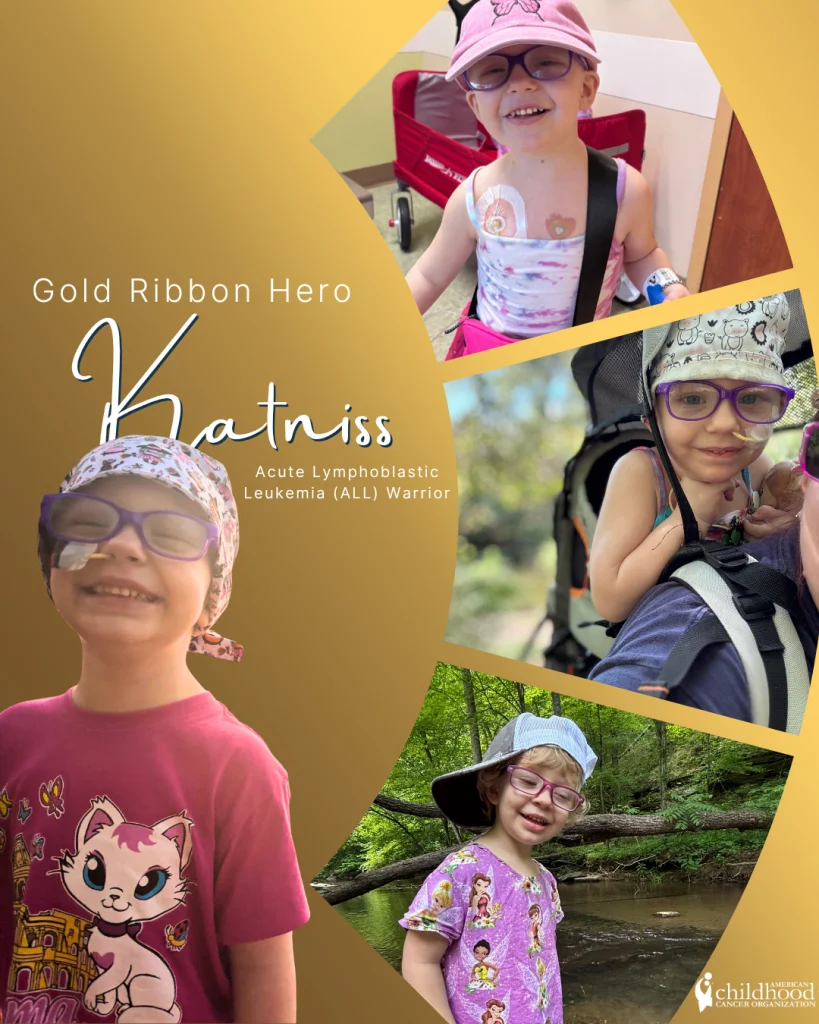
The landscape of pediatric oncology often features stories of profound personal struggle intertwined with community-driven support systems, a dynamic exemplified by the recent journey of a young patient named Katniss. Diagnosed with Acute Lymphoblastic Leukemia (ALL) in mid-2025, Katniss has become a focal point for advocacy through her partnership with the American Childhood Cancer Organization (ACCO). Her story is not merely one of individual medical challenge but also a reflection of a multi-generational battle against the disease, as her mother, Katherine, is herself a survivor of childhood leukemia. This rare intersection of family history and modern medical intervention highlights the ongoing evolution of pediatric cancer care and the critical role of public-facing fundraisers, such as the Grand Ole Opry Chili Cook-Off in Nashville, Tennessee.
Clinical Diagnosis and the Initial Path to Treatment
The medical trajectory for Katniss began abruptly in June 2025. What initially appeared to be a standard case of strep throat failed to respond to conventional treatments, a common red flag in pediatric medicine that often precedes more serious diagnoses. The situation escalated rapidly when Katniss began vomiting blood, necessitating an emergency room visit. Clinical evaluations at the time revealed that she was both neutropenic—a condition characterized by an abnormally low count of neutrophils, a type of white blood cell essential for fighting infections—and anemic. These hematological markers are classic indicators of bone marrow suppression, often caused by the proliferation of malignant cells.
Within days of the emergency admission, a formal diagnosis of Acute Lymphoblastic Leukemia was confirmed. ALL is a type of cancer of the blood and bone marrow that affects white blood cells. It is the most common form of cancer in children, characterized by the overproduction of immature lymphocytes. While the prognosis for ALL has improved significantly over the last several decades, the treatment remains intensive and prolonged. Katniss was immediately enrolled in a treatment protocol spanning two and a half years. This regimen includes the surgical placement of a chemo-port, frequent bone marrow biopsies to monitor disease progression, and regular lumbar punctures to ensure the central nervous system remains clear of leukemic cells.
The Intergenerational Impact of Pediatric Cancer
The diagnosis of Katniss introduced a poignant psychological and historical dimension to the family’s experience. Her mother, Katherine, navigated the same disease during her own childhood. While medical advancements have increased the five-year survival rate for pediatric ALL to approximately 90%, the emotional burden on a parent who has survived the same malignancy is substantial. Katherine’s perspective provides a unique lens into the long-term survivorship experience, yet it also underscores the heartbreak of seeing a child face the same grueling medical interventions—chemotherapy, hair loss, and the constant threat of infection.
Medical professionals note that while most cases of childhood leukemia are not considered hereditary in the traditional sense, the presence of cancer in multiple generations often prompts closer monitoring and a deeper involvement in advocacy. For the Katniss family, this history has fueled a commitment to resilience. Despite the rigors of her chemotherapy cycles, Katniss has been described by her caregivers and family as maintaining a "sassy" and resilient personality, a trait that healthcare providers often cite as a significant factor in the quality of life for pediatric patients undergoing long-term treatment.
Pediatric Leukemia: Statistics and Medical Context
To understand the gravity of Katniss’s journey, one must look at the broader context of Acute Lymphoblastic Leukemia. According to data from the National Cancer Institute and the American Cancer Society, ALL accounts for about three out of four leukemias in children. The disease progresses rapidly if left untreated, making early detection—such as the identification of neutropenia and anemia in Katniss’s case—critical for survival.
The standard treatment for ALL is divided into phases: induction, consolidation, and maintenance. The first phase aims to achieve remission, while subsequent phases focus on eliminating any residual microscopic cancer cells. The two-and-a-half-year timeline mentioned for Katniss is standard for female patients (male patients sometimes undergo longer maintenance phases). The use of chemotherapy, while effective, carries significant side effects, including immunosuppression, which explains the necessity of the "neutropenic precautions" many families must take during the induction and consolidation phases.
Community Support and the Grand Ole Opry Chili Cook-Off
A vital component of the support structure for families like Katniss’s is the involvement of national organizations and high-profile community events. Katniss was selected as an ambassador for the Grand Ole Opry Chili Cook-Off held in Nashville, Tennessee. This event serves as a significant fundraiser for the ACCO, bridging the gap between the music industry and pediatric health advocacy.
The Grand Ole Opry, an iconic institution in American country music, has a long history of charitable engagement. By hosting the Chili Cook-Off, the Opry provides a platform for raising both funds and awareness for childhood cancer. For the 2025 event, Katniss was featured as a primary ambassador, representing the face of the "Gold Ribbon" cause—the international symbol for childhood cancer awareness.
Due to the unpredictable nature of her treatment schedule and the associated risks of infection, Katniss was unable to attend the official date of the cook-off. This is a common occurrence in pediatric oncology; the "neutropenic window" often prevents children from participating in large public gatherings. However, in a move that highlights the flexibility and commitment of the event organizers, Katniss and her family were invited to the Grand Ole Opry facility a few weeks later. This private tour and attendance at a show provided the family with a needed reprieve from the clinical environment and reinforced the community’s support for her ongoing battle.
The Role of the American Childhood Cancer Organization (ACCO)
The ACCO, founded in 1970, is one of the oldest and largest grassroots childhood cancer organizations in the United States. Its mission focuses on providing resources to families, advocating for increased research funding, and raising awareness through initiatives like the Grand Ole Opry partnership.
For families in the midst of a two-year treatment plan, the ACCO provides practical tools, such as medical play kits that help children understand their ports and procedures, and educational materials that assist parents in navigating the complex healthcare system. The ambassadorship program, in which Katniss participated, serves a dual purpose: it empowers the child by centering their experience as one of strength and leadership, and it humanizes the statistics for the general public, encouraging philanthropic contributions.
Funding Disparities and the Need for Advocacy
Despite the prevalence of childhood cancer, research funding often lags behind that of adult cancers. Data from the ACCO and other advocacy groups indicate that only a small fraction of the National Cancer Institute’s budget is dedicated specifically to pediatric cancer research. This disparity is a primary driver behind community fundraisers like the Nashville cook-off.
The funds raised during these events are often directed toward "gap-filling" research and family support services. In the case of ALL, while survival rates are high, the long-term side effects of current chemotherapy treatments—known as "late effects"—can include heart damage, secondary cancers, and cognitive challenges. Research into less toxic, more targeted therapies is essential for ensuring that survivors like Katniss not only live but thrive into adulthood without the burden of treatment-induced chronic health issues.
Broader Implications and Future Outlook
The story of Katniss and her family illustrates the multifaceted nature of the modern pediatric cancer experience. It is a narrative that combines the clinical precision of hematology, the emotional weight of a family legacy, and the vital importance of community-based philanthropy. As Katniss continues her two-and-a-half-year treatment plan, her role as an ambassador remains a testament to the resilience of pediatric patients.
The successful execution of the Grand Ole Opry fundraiser, even in the absence of its ambassador on the day of the event, demonstrates a growing public awareness of the realities of cancer treatment. It acknowledges that the journey of a "warrior" is not always characterized by presence at a celebration, but by the quiet endurance of the treatment process itself.
In the broader context of public health, the visibility of patients like Katniss helps to sustain the momentum for legislative advocacy. Efforts to pass and fund initiatives like the Childhood Cancer STAR Act and the RACE for Children Act rely on the storytelling and public engagement generated by organizations like the ACCO. By bridging the gap between the clinical world of bone marrow biopsies and the cultural world of Nashville’s music scene, these initiatives ensure that the fight against childhood leukemia remains a national priority.
As Katniss moves forward through her chemotherapy cycles, her journey will be monitored not just by her medical team, but by a community of supporters moved by her resilience and her family’s history. The intersection of her mother’s past survival and Katniss’s current battle serves as a powerful reminder of how far pediatric oncology has come, and the significant work that remains to be done in the quest for a cure that is as gentle as it is effective.
