
 By admin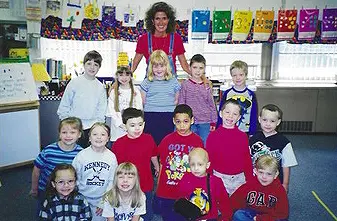
The intersection of personal tragedy and public advocacy often serves as the catalyst for significant medical fundraising and community mobilization. In the upcoming CureSearch Ultimate Hike scheduled for August along Minnesota’s Superior Hiking Trail, two women, Michele Benyo and Alicia, will embark on a 25.5-mile journey that represents a decades-long narrative of loss, memory, and the pursuit of a cure for childhood cancer. This event, while focused on the physical challenge of navigating rugged terrain, highlights the broader systemic issues surrounding pediatric cancer research and the enduring impact of childhood illness on families and communities.
The Medical Chronology of David Benyo
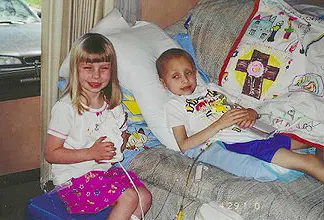
The story at the heart of this initiative began in December 1997, when David Benyo was diagnosed with rhabdomyosarcoma at the age of four. Rhabdomyosarcoma (RMS) is a highly aggressive form of cancer that develops from mesenchymal cells, which are destined to become skeletal muscles. According to the American Cancer Society, RMS accounts for approximately 3% of all childhood cancers. At the time of his diagnosis, David presented with a grapefruit-sized tumor, necessitating an immediate and intensive regimen of chemotherapy, surgery, and blood transfusions.
By 1998, David’s initial response to treatment was positive. The tumor regressed, and he entered a period of clinical stability that allowed his family to participate in a Make-A-Wish trip to Disney World. However, the nature of RMS—particularly in high-risk cases—often involves a high rate of recurrence. Shortly after returning from the trip, clinicians discovered that the cancer had returned, infiltrating his bone marrow.
The medical team at Minneapolis Children’s Hospital employed an aggressive second-line defense, including high-dose chemotherapy and radiation. Notably, David became one of the early recipients of a pediatric stem cell transplant, a procedure that was then at the frontier of pediatric oncology. While the transplant successfully induced a second remission, the cancer eventually relapsed for a final time. In May 2000, facing a terminal prognosis and having expressed a desire to cease further invasive treatments, David passed away at the age of six.
Longitudinal Impact on Peers and Educators
The death of a child creates a ripple effect that extends far beyond the immediate family unit, influencing the social and professional trajectories of those within the child’s orbit. Alicia, a kindergarten classmate of David’s, represents the long-term psychological impact of childhood bereavement. For years, the loss of her first friend manifested as a profound aversion to the subject of oncology.
However, the connection between the Benyo family and Alicia’s family remained intact through their shared church community, where Alicia’s mother served as David’s Sunday school teacher. This social fabric provided a support system that eventually transformed grief into a collaborative effort for advocacy. Alicia’s academic and professional choices were also influenced by these early experiences; she currently serves as a special needs teacher at the elementary school she and David once attended, a role that requires high levels of empathy and resilience.
The motivation for the upcoming hike was further intensified by a more recent tragedy. Alicia’s mother, who had been a foundational figure in David’s early life, recently succumbed to cancer. This dual loss has turned the 25.5-mile hike into a commemorative act for two generations of victims, bridging the gap between pediatric and adult oncology experiences.
The Superior Hiking Trail and the Ultimate Hike Program
The CureSearch Ultimate Hike is not merely a memorial walk but a rigorous endurance event designed to mirror the "uphill battle" faced by families dealing with cancer. The August event takes place on the Superior Hiking Trail (SHT), a 310-mile footpath that follows the rocky ridgeline overlooking Lake Superior. The 25.5-mile section designated for the hike features significant elevation changes, technical footings, and the unpredictable weather patterns of Northern Minnesota.
CureSearch for Children’s Cancer, the organizing body, utilizes these hikes as primary fundraising vehicles. Unlike broader cancer charities, CureSearch specifically targets the "funding gap" in pediatric research. While the National Cancer Institute (NCI) allocates significant resources to oncology, only a small fraction of the federal budget is dedicated specifically to pediatric cancers. Private organizations like CureSearch are essential for funding Phase I and Phase II clinical trials that test new, less toxic treatments specifically designed for children’s developing bodies.
Analysis of Pediatric Cancer Research Funding
The necessity of events like the Ultimate Hike is underscored by the current state of pediatric oncology funding and drug development. According to industry data, the development of new drugs for children lags significantly behind adult oncology. Between 1948 and 2003, only two drugs were approved by the FDA for initial use in children. While the passage of the RACE for Children Act in 2017 has improved the landscape by requiring companies to evaluate adult cancer drugs in children if the molecular targets are similar, the field still relies heavily on philanthropic support.
The "Ultimate Hike" model serves several functions:
- Capital Mobilization: Participants are required to meet specific fundraising benchmarks, which go directly toward funding international research collaboratives.
- Awareness: By placing hikers on public trails like the SHT, the organization increases the visibility of pediatric cancer statistics among the general public.
- Psychological Healing: For survivors and bereaved family members like Michele Benyo and Alicia, the physical exertion provides a constructive outlet for the "complicated grief" associated with losing a child.
Community and Official Responses
While official statements from Minneapolis Children’s Hospital regarding David’s specific case remain protected by privacy laws, the hospital’s history with stem cell transplants continues to be a point of reference for the evolution of care in the region. Pediatric oncologists generally agree that the late 1990s were a pivotal era where the limits of traditional chemotherapy were being realized, leading to the more targeted and biological therapies used today.
Representatives from CureSearch emphasize that the participation of "legacy hikers"—those who hike in memory of someone lost decades ago—is vital for the organization’s mission. "These stories remind us that the impact of childhood cancer doesn’t end with a funeral," a spokesperson might note, reflecting the organization’s stance on long-term advocacy. "They provide the historical context that drives us to ensure that the next generation of ‘cheetahs’—as David called himself—has a different outcome."
Broader Implications and Future Outlook
The participation of Michele and Alicia in the 25.5-mile trek signifies a shift in how society processes the trauma of pediatric illness. Rather than remaining a private family tragedy, David Benyo’s story has become a permanent part of a larger movement to reform how pediatric medicine is funded and researched.
The data suggests that while survival rates for many pediatric cancers have improved to nearly 80%, the "late effects" of harsh treatments like the ones David received in the 1990s remain a significant concern for survivors. By funding research into more targeted therapies, CureSearch aims to not only increase survival rates but also improve the quality of life for those who do survive.
As the August hike approaches, the focus remains on the intersection of memory and action. For Alicia, wearing a locket with David’s photo while navigating the Superior Hiking Trail is a symbolic completion of the journey they started together in kindergarten. For Michele, it is a continuation of a mother’s promise to ensure her son’s life serves a purpose beyond his short six years.
In a broader sense, the event serves as a reminder to the medical and legislative communities that the demand for pediatric-specific research remains urgent. The 25.5 miles covered on the trail represent a small fraction of the distance yet to be traveled in the field of oncology, but for those walking, each step is a move toward a future where a diagnosis like David’s is no longer a terminal sentence.
The CureSearch Ultimate Hike continues to accept registrations and donations, with the goal of expanding its research grants to include more aggressive forms of soft tissue sarcomas. As participants like Michele and Alicia prepare for the physical demands of the Superior Hiking Trail, they carry with them a narrative that has spanned nearly thirty years—a story that began in a doctor’s office in 1997 and continues to evolve with every mile hiked in the pursuit of a cure.
