
 By admin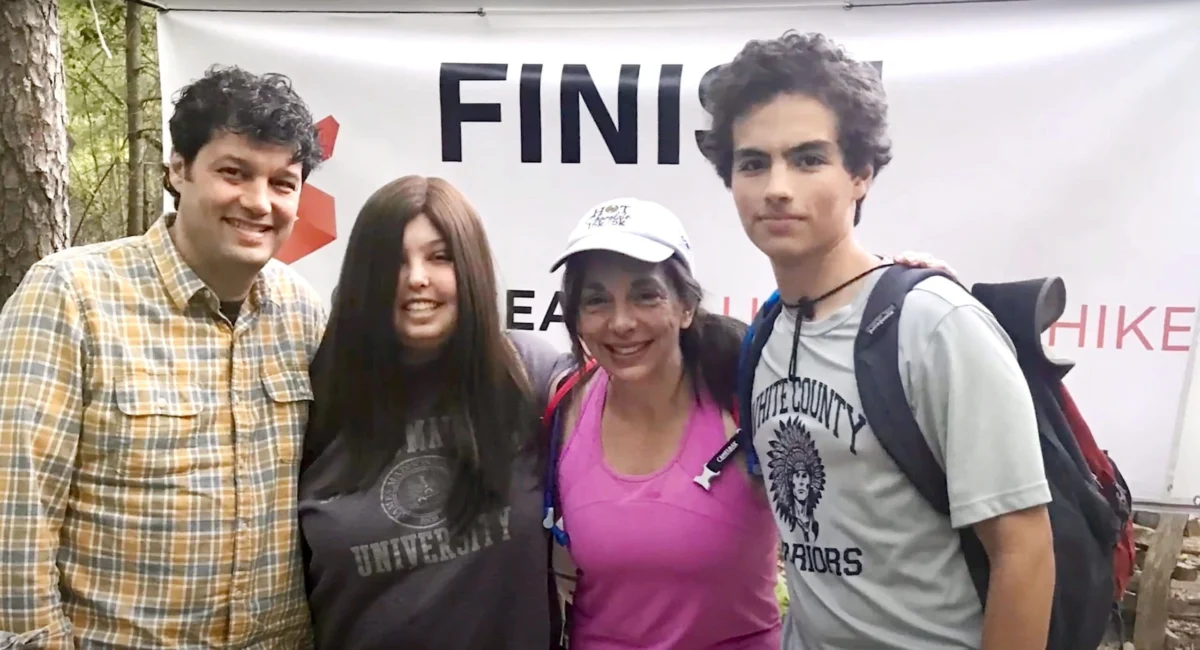
The heart serves as a universal symbol of compassion and resilience, but in the context of pediatric medical advocacy, it represents a relentless commitment to overcoming one of the most formidable challenges in modern medicine. The CureSearch Ultimate Hike, a flagship fundraising program for the national non-profit organization CureSearch for Children’s Cancer, has emerged as a significant catalyst in the effort to fund innovative research and provide support for families navigating the complexities of a cancer diagnosis. By challenging participants to navigate rugged terrain and endure extreme physical tests, the program mirrors the arduous journey faced by pediatric patients, creating a tangible link between athletic endurance and medical philanthropy.
The Intersection of Physical Endurance and Philanthropy
The CureSearch Ultimate Hike is not merely a recreational excursion; it is a structured endurance event designed to raise substantial capital for pediatric cancer research. Participants often undertake a 28.3-mile trek across challenging landscapes, completing the distance in a single day. This rigorous physical requirement serves a dual purpose: it generates awareness through the spectacle of the feat and symbolizes the "uphill battle" that children with cancer endure during treatment.
The organization’s branding, which features a heart logo containing a map, encapsulates the mission’s core philosophy. It suggests that while the geographical journey is demanding, the emotional and scientific journey is guided by a commitment to the lives of children. For many participants, the motivation is deeply personal, rooted in the experiences of family members or friends who have faced the disease. The "heart of a lion" metaphor frequently cited by the organization recognizes the courage of young patients, which in turn fuels the stamina of the hikers on the trail.
Statistical Realities of Pediatric Oncology in the United States
To understand the necessity of events like the Ultimate Hike, one must examine the current landscape of pediatric oncology. According to data from the National Cancer Institute (NCI) and the American Cancer Society, approximately 15,000 children and adolescents under the age of 19 are diagnosed with cancer each year in the United States. While survival rates have improved significantly since the mid-20th century—climbing from less than 10% to over 80% for many types of cancer—the statistics mask a more complex reality.
Cancer remains the leading cause of death by disease among children in the U.S. Furthermore, the treatments currently available are often "off-label" adaptations of adult protocols, which can be highly toxic to developing bodies. Research indicates that more than 60% of childhood cancer survivors will suffer from at least one chronic health condition as a result of their treatment, including secondary cancers, cardiovascular disease, and cognitive impairments. These "late effects" underscore the urgent need for targeted, less toxic therapies specifically designed for pediatric biology.
Despite these needs, pediatric cancer research faces a significant funding gap. Historically, only about 4% of the federal budget for cancer research is allocated specifically to childhood cancers. This disparity places a heavy burden on private non-profit organizations like CureSearch to bridge the gap through community-driven initiatives and high-impact fundraising.
The Human Element: Personal Narratives of Resilience
The efficacy of the Ultimate Hike is often measured not just in dollars raised, but in the community it fosters among survivors and bereaved families. One such narrative involves Terri Cohen, who participates in the hike in memory of her daughter, Leah. Cohen’s involvement began during the final stages of Leah’s battle with the disease. In a poignant reflection on the program’s impact, Cohen noted that her first hike was a shared experience with her son, while Leah, then experiencing a period of relative stability, met them at the finish line.
This moment of connection at the conclusion of a grueling physical challenge serves as a microcosm for the broader program. For families like the Cohens, the hike provides a constructive outlet for grief and a proactive way to contribute to a future where other families might avoid similar outcomes. The shared mission creates a support network that extends beyond the trail, offering a sense of solidarity to those who often feel isolated by the trauma of a pediatric diagnosis.
Organizational History and the Evolution of the Ultimate Hike
CureSearch for Children’s Cancer has a long history of supporting clinical trials and laboratory research. The Ultimate Hike was established as a way to engage the public more directly in the fundraising process, moving beyond traditional gala events toward experiential philanthropy. Since its inception, the program has expanded to multiple locations across the United States, including the Appalachian Trail, the Foothills Trail, and the Ice Age Trail.
The chronology of a typical Ultimate Hike season involves several months of preparation. Participants do not simply show up on the day of the event; they undergo a 12-to-15-week training regimen and a structured fundraising program. This period of preparation ensures that hikers are physically capable of completing the 28.3-mile distance while also maximizing the financial impact of their participation. Each hiker is typically required to meet a minimum fundraising goal, which contributes directly to the CureSearch research portfolio.
The Science of the Cure: Funding High-Impact Research
The funds generated by the Ultimate Hike are directed toward a rigorous scientific agenda. CureSearch focuses on overcoming the "Valley of Death" in drug development—the gap between initial laboratory discovery and the start of clinical trials. Because the market for pediatric drugs is smaller than that for adult drugs, pharmaceutical companies are often hesitant to invest the necessary capital to move pediatric-specific treatments through the regulatory pipeline.
CureSearch addresses this by funding:
- Young Investigators: Supporting early-career scientists who are pursuing innovative ideas in pediatric oncology.
- Catapult Awards: Providing significant funding to move late-stage pre-clinical research into Phase I or Phase II clinical trials.
- Impact Series: Research focused on specific, hard-to-treat cancers with low survival rates, such as certain types of brain tumors or sarcomas.
By focusing on the acceleration of new cures, the organization aims to reduce the time it takes for a discovery in the lab to reach the bedside of a patient. This focus on "translational research" is critical in a field where time is often the most scarce resource for patients.
Analyzing the Long-Term Implications of Community-Driven Research Funding
The reliance on events like the Ultimate Hike reflects a broader trend in the medical research landscape: the democratization of scientific funding. As federal budgets remain stagnant or face inflationary pressures, the role of the individual donor and the community fundraiser becomes increasingly vital.
From a policy perspective, the success of the Ultimate Hike demonstrates that there is significant public will to address the inequities in cancer research funding. However, it also highlights the precarious nature of scientific progress when it is dependent on voluntary contributions. Analysts suggest that while non-profit funding is essential for innovation and "high-risk, high-reward" projects, it must be paired with robust federal policy, such as the RACE for Children Act and the STAR Act, to ensure a sustainable pipeline of new treatments.
Furthermore, the Ultimate Hike serves as a powerful tool for public health education. By bringing hundreds of people into the wilderness to hike for a cause, CureSearch facilitates a broader conversation about the long-term health of survivors and the environmental factors that may contribute to pediatric malignancies.
Technical Challenges and Event Logistics
Executing an event of this magnitude requires extensive logistical planning. The "rugged terrain" mentioned in organizational materials often includes significant elevation gains, technical footwork over rocks and roots, and unpredictable weather conditions. To manage these risks, the organization employs professional trail leads and medical support teams.
The logistics of a 28.3-mile hike involve strategically placed aid stations, communication networks in areas with poor cellular service, and a "sweep" team to ensure no participant is left behind. This level of professional oversight is necessary to maintain the safety of the participants, many of whom may not be experienced long-distance hikers before beginning their training. The successful execution of these events year after year has solidified CureSearch’s reputation as a leader in the endurance-fundraising space.
Conclusion: The Path Forward for Pediatric Cancer Advocacy
The CureSearch Ultimate Hike represents a fusion of physical challenge, emotional storytelling, and scientific necessity. By mobilizing a community of "lion-hearted" individuals, the program addresses the funding gaps that hinder the development of pediatric-specific cancer treatments. The stories of participants like Terri Cohen and the memory of children like Leah provide the moral impetus for the event, while the rigorous training and fundraising requirements provide the practical means to effect change.
As the program continues to grow, its impact will be measured in the number of new clinical trials launched and the number of children who are able to access less toxic, more effective therapies. The trail, with all its challenges and rugged beauty, remains a fitting setting for a mission defined by the belief that every step taken is a step closer to a future free of childhood cancer. For those who take up the challenge, the heart of the trail is found in the collective resolve to ensure that no child has to face the mountain of a cancer diagnosis alone.
