
 By admin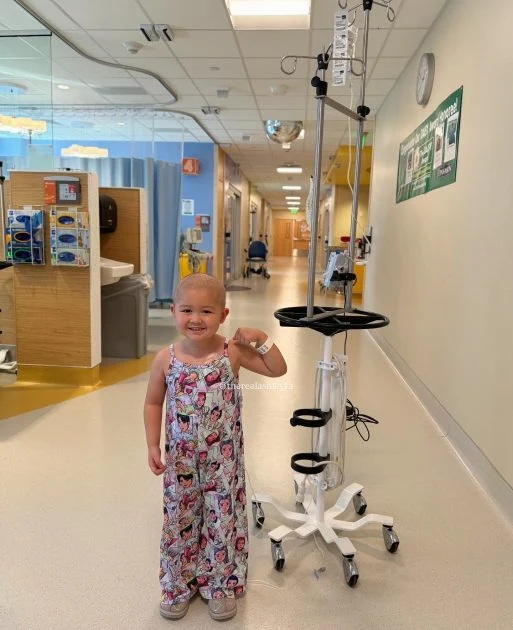
The intersection of parental intuition and clinical diagnostics has taken center stage through the story of Rylee, a four-year-old recently named as a 2026 Ambassador for the American Childhood Cancer Organization (ACCO). Diagnosed with Acute Lymphoblastic Leukemia (ALL), Rylee’s case highlights the critical role of persistent advocacy in the pediatric healthcare system. Her journey, from the onset of ambiguous symptoms to her current status in remission, serves as a significant case study in the challenges faced by families navigating the complexities of childhood oncology, particularly when compounded by external stressors such as military deployment.
The Diagnostic Odyssey and the Role of Maternal Intuition
The clinical path to Rylee’s diagnosis was characterized by what many medical sociologists term the "diagnostic odyssey"—a period of uncertainty where symptoms are present but a definitive cause remains elusive. In late July and early August, Rylee exhibited a constellation of symptoms that included persistent fevers, chills, body aches, and joint pain. These were accompanied by localized physical markers, such as a swollen eye, enlarged lymph nodes, and unexplained bruising.
Despite multiple consultations at urgent care facilities and emergency departments, initial clinical assessments suggested minor ailments, including allergies or common infections. Ashley, Rylee’s mother, reported a consistent dismissal of her concerns, with providers frequently categorizing the child’s condition as non-critical. This highlights a documented phenomenon in pediatric medicine where early-stage leukemia symptoms can mimic less severe viral or inflammatory conditions, often leading to a "wait and see" approach by clinicians.
On August 6, following a series of inconclusive visits, Ashley demanded a comprehensive blood panel. The results, returned at 5:00 PM that evening, confirmed the presence of leukemia. The diagnosis was delivered during a period of significant family strain; Rylee’s father, Jacob, was deployed overseas, leaving Ashley to manage the immediate aftermath of the news in isolation. Within hours of the confirmation, Rylee was transported via ambulance to a specialized facility in Denver, Colorado, to begin emergency stabilization and treatment.
A Chronology of Intensive Intervention
The first week following Rylee’s admission to the hospital involved an intensive regimen of surgical and pharmacological interventions designed to address the aggressive nature of ALL. The clinical timeline for the initial phase of her treatment included:
- Surgical Port Placement: A central venous access device was implanted to facilitate the frequent administration of chemotherapy and the collection of blood samples, minimizing the trauma of repeated needle sticks.
- Diagnostic Biopsies: A bone marrow biopsy was performed to determine the exact subtype of the leukemia and the extent of marrow involvement.
- Intrathecal Chemotherapy: Rylee underwent a lumbar puncture, a procedure where chemotherapy agents are injected directly into the spinal fluid to prevent or treat the spread of leukemia cells to the central nervous system.
- Hematological Support: Due to the impact of the disease and initial treatment on her blood counts, Rylee required three blood transfusions and two platelet transfusions within seven days.
- Induction Chemotherapy: She commenced her first formal chemotherapy sessions, marking the beginning of a multi-year treatment plan.
By early September, clinical evaluations indicated that Rylee had reached a state of remission, meaning that leukemia cells were no longer detectable in her bone marrow by standard microscopic examination. However, in pediatric oncology, remission is the beginning of a long-term maintenance phase rather than the conclusion of treatment. Rylee’s protocol is scheduled to continue through October 2027, a duration intended to ensure the total eradication of any residual malignant cells.
Supporting Data: Understanding Acute Lymphoblastic Leukemia
Acute Lymphoblastic Leukemia is the most common form of cancer diagnosed in children, representing approximately 25% of all pediatric cancer cases. It is a type of cancer of the blood and bone marrow that affects white blood cells. While the diagnosis is formidable, advancements in medical science have significantly improved the prognosis for patients like Rylee.
According to data from the National Cancer Institute (NCI) and the American Cancer Society:
- Survival Rates: The five-year survival rate for children with ALL has risen from less than 10% in the 1960s to approximately 90% today.
- Demographics: ALL is most frequently diagnosed in children between the ages of two and five.
- Treatment Duration: Standard treatment protocols for ALL typically last between two and three years, with the "maintenance phase" making up the bulk of that time to prevent relapse.
The complexity of the treatment lies in its intensity. Because leukemia is a systemic disease rather than a localized tumor, it requires systemic treatment that can have profound effects on a developing child’s immune system and physical growth.
Innovations in Immunotherapy: The Blinatumomab Protocol
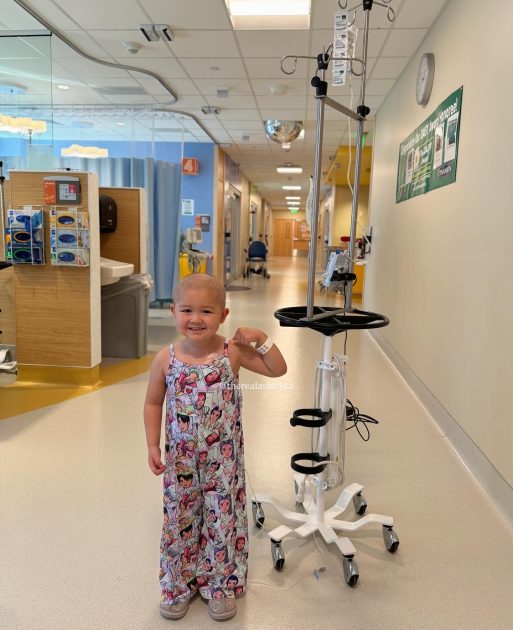
In October, Rylee’s treatment entered a specialized phase involving Blinatumomab (marketed as Blincyto), a type of immunotherapy known as a bispecific T-cell engager (BiTE). Unlike traditional chemotherapy, which attacks rapidly dividing cells indiscriminately, Blinatumomab is designed to direct the body’s own immune system—specifically T-cells—to target and destroy leukemia cells expressing the CD19 protein.
The administration of Blinatumomab requires a continuous intravenous infusion over a 28-day cycle. To maintain a semblance of normalcy and mobility, Rylee utilizes a portable infusion pump housed in a small backpack, which her family refers to as her "superhero backpack." This allows her to receive life-saving medication while engaging in the typical activities of a four-year-old, such as riding a bike or playing with her siblings. The transition from inpatient hospital stays to home-based continuous infusion represents a significant shift in pediatric oncology, prioritizing the patient’s quality of life alongside clinical efficacy.
The Role of the American Childhood Cancer Organization (ACCO)
As a 2026 ACCO Ambassador, Rylee represents the thousands of children currently undergoing treatment in the United States. The ACCO, founded in 1970, is the oldest and largest grassroots childhood cancer organization in the country. Its mission focuses on providing resources, advocacy, and support to families who often find themselves overwhelmed by the logistical and emotional burdens of a cancer diagnosis.
One of the primary tools utilized by Rylee and provided by the ACCO is the Medical Play Kit. Pediatric experts emphasize that "medical play" is a vital therapeutic intervention for children. It allows them to process their experiences by acting out procedures on dolls or through play-acting. In a video shared by her mother, Rylee is seen using the kit to simulate the roles of her own medical team, stating, "I’m really going to be Dr. Ta now!" This form of play is not merely recreational; it is a clinical tool that reduces anxiety, increases cooperation with medical procedures, and helps children regain a sense of agency in an environment where they often feel powerless.
Broader Implications: Advocacy and the Healthcare System
The story of Rylee’s diagnosis brings to light a critical dialogue regarding maternal intuition and healthcare advocacy. Ashley’s directive to other parents—"Trust your gut"—is backed by a growing body of literature regarding "parental concern" as a valid clinical indicator. When a primary caregiver observes subtle changes in behavior, energy levels, or physical appearance that deviate from a child’s baseline, those observations can be as diagnostically relevant as a physical exam.
The implications for the healthcare industry are clear: there is a need for improved communication channels between parents and providers. The "fight to be heard," as described by Ashley, suggests that systemic barriers still exist which may lead to the dismissal of parental concerns in high-pressure environments like Urgent Care or the ER. Encouraging a collaborative approach where parental input is integrated into the diagnostic process can lead to earlier detection and better outcomes.
Furthermore, Rylee’s journey highlights the unique challenges faced by military families. The "shattering" experience of a cancer diagnosis is magnified when a spouse is deployed, necessitating a robust community support network. The ACCO and similar organizations play a vital role in filling the gaps left by physical distance and professional obligations.
Future Outlook and Conclusion
Rylee’s path forward remains long, with three more years of treatment on the horizon. However, her current status in remission and her positive response to immunotherapy provide a hopeful outlook. Her story is a testament to the resilience of children and the necessity of persistent parental advocacy.
As she continues her duties as an ACCO Ambassador, the focus remains on raising awareness for the funding of pediatric cancer research. Despite being the leading cause of death by disease in children in the United States, childhood cancer research receives a disproportionately small percentage of federal funding compared to adult cancers. Through the visibility provided by ambassadors like Rylee, the ACCO aims to bridge this gap, ensuring that the next generation of treatments—like the "superhero" immunotherapy Rylee currently receives—becomes the standard for all children.
The case of Rylee Ta serves as a reminder that behind every clinical statistic is a family navigating a life-altering reality. It underscores the importance of the medical community listening to the "gut feelings" of caregivers and the profound impact that innovative, patient-centered care can have on the youngest and most vulnerable patients.
