
 By admin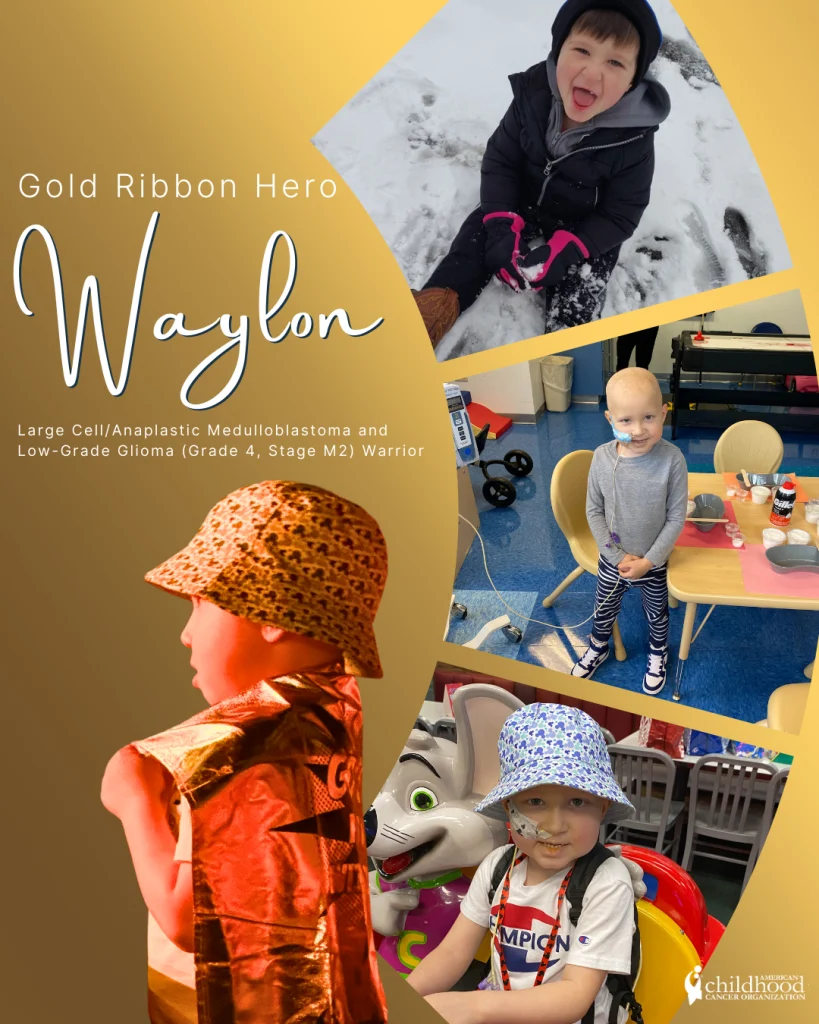
The trajectory of a young life can be altered in an instant by a medical diagnosis, a reality faced by the family of five-year-old Waylon on April 24, 2025. Following a period of concerning symptoms, Waylon was diagnosed with a complex and aggressive combination of pediatric brain tumors, including large cell/anaplastic medulloblastoma and low-grade glioma. The diagnosis, categorized as Grade 4, Stage M2, initiated an intensive medical intervention involving multiple surgeries, radiation, and an extensive chemotherapy regimen. In recognition of his resilience and to further the cause of pediatric cancer awareness, Waylon was recently selected as an ambassador for the Grand Ole Opry Chili Cook-Off in Nashville, Tennessee, an event held in partnership with the American Childhood Cancer Organization (ACCO).
The Clinical Journey and Diagnosis of Medulloblastoma
Waylon’s path to diagnosis began with a series of symptoms that are often difficult to distinguish from common childhood ailments in their early stages. His family reported persistent headaches, continuous vomiting, and significant balance issues—a triad of symptoms that frequently indicates increased intracranial pressure or neurological interference in pediatric patients. Upon clinical evaluation on April 24, 2025, imaging and pathology confirmed the presence of large cell/anaplastic medulloblastoma alongside a low-grade glioma.
Medulloblastoma is a fast-growing, high-grade tumor located in the cerebellum, the part of the brain responsible for muscle coordination, balance, and complex motor functions. The "large cell/anaplastic" subtype is considered a more aggressive variant of the disease, characterized by distinct cellular abnormalities and a higher propensity for rapid growth. The Stage M2 designation indicates that the cancer has metastasized beyond the primary tumor site to the cerebellar or cerebral subarachnoid space, often found in the cerebrospinal fluid.
The complexity of Waylon’s case is compounded by the concurrent presence of a low-grade glioma. While low-grade gliomas are generally slower-growing than medulloblastomas, their presence necessitates a multi-faceted treatment approach. The Grade 4 classification underscores the severity of the malignancy, requiring the most aggressive protocols available in modern pediatric oncology.
A Rigorous Treatment Timeline
Following the diagnosis, Waylon’s medical team at a specialized pediatric oncology center implemented a comprehensive treatment plan designed to stabilize his condition and eradicate the malignant cells. The timeline of his treatment reflects the standard of care for high-risk medulloblastoma, which typically involves a combination of surgical resection, craniospinal irradiation, and systemic chemotherapy.
To date, Waylon has undergone two significant brain surgeries. The primary goal of these procedures is maximal safe resection—removing as much of the tumor as possible without damaging critical brain tissue. Surgery in the posterior fossa, where medulloblastomas are located, carries inherent risks to motor function and cognitive processing, making the success of these operations a vital milestone in his recovery.
Following surgical intervention, Waylon completed a full course of radiation treatment. Radiation is a cornerstone of medulloblastoma therapy, aimed at destroying any remaining microscopic cancer cells. However, in children as young as five, radiation must be administered with extreme precision to minimize long-term developmental impacts.
The final and longest phase of Waylon’s current treatment plan is chemotherapy. As of the latest update, Waylon has completed 33 of the 37 prescribed rounds of chemotherapy. This intensive schedule is designed to address the metastatic nature of the Stage M2 disease, ensuring that systemic treatment reaches any cancer cells that may have migrated through the cerebrospinal fluid. Kayla, Waylon’s mother, noted that the diagnosis and subsequent treatment "turned the family’s whole world upside down," a sentiment common among families navigating the logistical and emotional demands of pediatric cancer care.
The Grand Ole Opry Chili Cook-Off: Advocacy through Partnership
In the midst of his medical battle, Waylon was invited to serve as an ambassador for a high-profile community event at the Grand Ole Opry in Nashville. The Grand Ole Opry Chili Cook-Off is an annual tradition that serves a dual purpose: fostering community among the Opry’s staff and raising vital funds and awareness for the American Childhood Cancer Organization (ACCO).
As an ambassador, Waylon represented the thousands of children currently undergoing treatment for life-threatening malignancies. The event provided Waylon and his family with a reprieve from the clinical environment of the hospital. Their visit included an employee-led chili cook-off, a comprehensive tour of the historic Grand Ole Opry House, and the opportunity to attend a live performance at the world-renowned venue.
The partnership between the Grand Ole Opry and the ACCO is part of a broader initiative known as "Grand Ole Opry Goes Gold." This campaign aligns with Childhood Cancer Awareness Month and leverages the platform of country music to highlight the need for increased research funding and support services for families. By featuring a "warrior" like Waylon, the Opry humanizes the statistics associated with pediatric cancer, bringing the reality of the struggle to a national stage.
Supporting Data: The Landscape of Pediatric Brain Tumors
Waylon’s case highlights the broader challenges within the field of pediatric oncology. Brain and central nervous system tumors are the most common solid tumors in children and are the leading cause of cancer-related death among the pediatric population.
According to data from the National Cancer Institute (NCI) and the Central Brain Tumor Registry of the United States (CBTRUS):
- Medulloblastoma accounts for nearly 20% of all pediatric brain tumors.
- Approximately 500 new cases of medulloblastoma are diagnosed in the United States each year.
- While the five-year survival rate for medulloblastoma has improved to approximately 70-80% due to advancements in multimodal therapy, the prognosis for the large cell/anaplastic subtype remains more guarded.
- Stage M2 and M3 disease (metastatic spread) requires more intensive chemotherapy and radiation protocols, which can lead to long-term "late effects," including endocrine issues, hearing loss, and cognitive changes.
The financial burden on families is also significant. The average cost of treating a pediatric brain tumor can exceed several hundred thousand dollars, excluding the indirect costs of lost wages for parents who must become full-time caregivers. Organizations like the ACCO provide essential resources, such as medical play kits and educational materials, to help families navigate these complexities.
Implications for Pediatric Oncology Research and Advocacy
The story of Waylon’s ambassadorship at the Grand Ole Opry serves as a focal point for several critical discussions in the medical and advocacy communities. First, it underscores the importance of early detection. The symptoms Waylon exhibited—headaches and balance issues—are classic "red flags" that, when recognized early, can lead to quicker intervention and potentially better outcomes.
Second, Waylon’s participation in the Opry event highlights the role of "distraction therapy" and community support in the psychological well-being of pediatric patients. Maintaining a sense of normalcy and providing joyful experiences are considered vital components of holistic cancer care. For a child who has spent a significant portion of his fifth year in operating rooms and infusion centers, the opportunity to be celebrated as a "warrior" provides a psychological boost that can assist in the resilience needed for the remaining rounds of treatment.
Finally, the event brings attention to the disparity in cancer research funding. Historically, pediatric cancer has received a disproportionately small percentage of federal research funding compared to adult cancers. High-profile partnerships like the one between the ACCO and the Grand Ole Opry are essential for driving private donations and legislative advocacy aimed at closing this gap.
Conclusion and Current Status
Waylon remains in the final stages of his primary chemotherapy protocol. With 33 of 37 rounds completed, his medical team is focused on monitoring his response to the treatment and managing any side effects of the intensive regimen. His journey from a sudden diagnosis in April 2025 to standing on the stage of the Grand Ole Opry as an ambassador reflects both the individual courage of a five-year-old and the collective effort of the medical and Nashville communities.
As Waylon nears the completion of his scheduled treatments, his story continues to serve as a testament to the advancements in pediatric neuro-oncology and the critical role of community-based advocacy. The Grand Ole Opry Chili Cook-Off, while a festive event, carries the weight of a serious mission: ensuring that children like Waylon have the resources, research, and support necessary to transition from "warriors" to survivors.
