
 By Nana O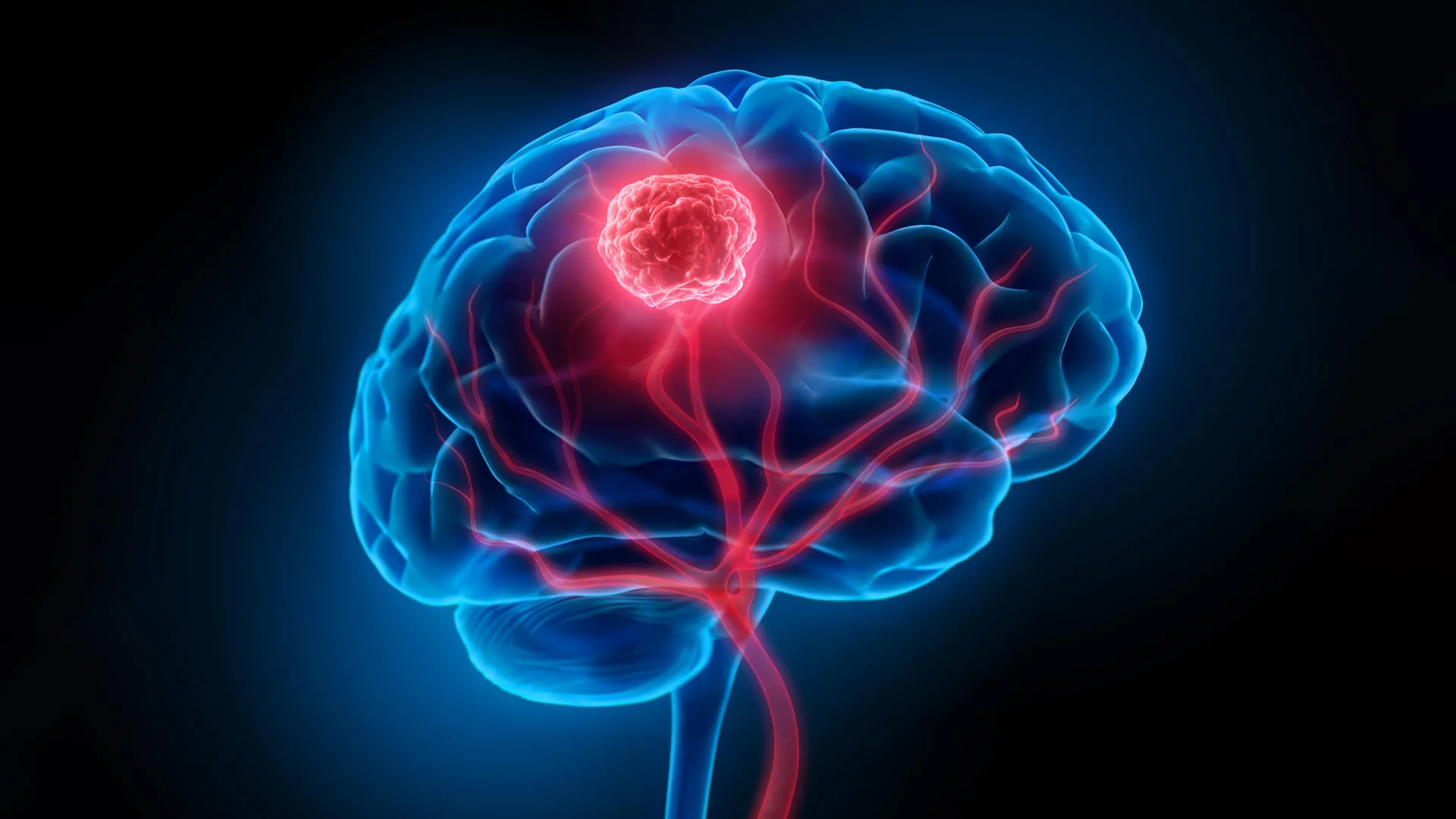
Glioblastoma, the most formidable and aggressive form of brain cancer, has long presented a daunting challenge to the medical community. Its insidious nature lies in its diffuse infiltration into surrounding healthy brain tissue, rendering complete surgical removal a perilous endeavor. Surgeons must navigate a delicate balance, excising cancerous cells without compromising vital neurological functions. Compounding this difficulty is the formidable blood-brain barrier, a physiological shield that severely limits the efficacy of conventional drug therapies and radiotherapy in reaching the tumor site. These combined obstacles contribute to a stark reality: the five-year survival rate for glioblastoma patients hovers around a mere 7 percent, a statistic that underscores the urgent need for innovative treatment strategies.
Breakthrough in Nanomedicine: A Sequential Dual-Action Approach
In a significant stride toward overcoming these persistent hurdles, researchers at the University of Technology Sydney (UTS), in collaboration with Harvard University and Henan University, have unveiled a revolutionary ‘double-punch’ nanozyme platform. This sophisticated system of smart nanoparticles is engineered to address both the surgical and therapeutic challenges of glioblastoma through a single, integrated approach. The groundbreaking findings, detailed in the prestigious journal Science Translational Medicine, mark a pivotal moment in the quest for more effective glioblastoma treatments.
Dr. Bingyang Shi, Chair Professor of Nanomedicine from the School of Electrical, Mechanical and Biomedical Engineering at UTS and a lead author on the study, explained the core innovation: "We’ve engineered a single material that does two jobs in sequence. It’s a precise guide for the surgeon during the operation, and then a targeted clean-up treatment afterward." This sequential functionality is the hallmark of the platform, offering a multi-pronged attack against the complex nature of glioblastoma.
The Nanoparticle Architecture: Precision Imaging and Targeted Therapy
At the heart of this groundbreaking technology lies an ultra-thin, two-dimensional sheet composed of individual atoms meticulously arranged. This atomic-level precision in fabrication, drawing inspiration from semiconductor manufacturing techniques, endows the material with its remarkable dual-functionality. The structure allows the nanoparticle platform to seamlessly transition between two distinct roles: acting as an advanced imaging agent during surgery and subsequently performing a targeted phototherapy treatment post-operation. Crucially, both of these functions are activated by the same wavelength of near-infrared light, simplifying the treatment protocol and minimizing potential complications.
Illuminating the Unseen: Enhanced Surgical Visualization
During surgical intervention, the nanoparticle platform serves as a highly sensitive imaging agent. A specially engineered fluorescent dye embedded within the sheet emits a distinct glow when exposed to near-infrared light, a spectrum invisible to the human eye. This luminescence allows surgeons to visualize individual tumor cell clusters with unprecedented clarity, down to an astonishing size of 44 micrometers. This level of resolution far surpasses the capabilities of current clinical imaging tools, enabling surgeons to identify and excise microscopic cancerous tendrils that might otherwise go undetected.
Further enhancing its precision, a targeting molecule is affixed to the nanoparticle material. This crucial component facilitates the crossing of the notoriously difficult blood-brain barrier, a physiological defense mechanism that often impedes drug delivery to brain tumors. Once across this barrier, the nanoparticles selectively accumulate within glioma cells, concentrating the imaging signal precisely where it is needed most. This targeted accumulation ensures that the fluorescent dye highlights only the cancerous tissue, providing surgeons with a clear and accurate map of the tumor’s extent.
The Post-Operative Clean-Up: Eradicating Residual Cancer Cells
Once the visible tumor mass has been surgically removed, the same nanoparticle platform is deployed within the surgical cavity. It is then reactivated using the identical near-infrared light wavelength, initiating its therapeutic phase. This postoperative phototherapy is designed to tackle the persistent threat of microscopic cancer cells that may have escaped surgical eradication.
The platinum atoms integrated into the nanoparticle structure play a critical role in this therapeutic process. They catalyze a reaction with the tumor’s own hydrogen peroxide, converting it into oxygen. This process is vital because glioblastoma often thrives in a low-oxygen, or hypoxic, environment, which typically shields cancer cells from conventional treatments. By increasing oxygen levels, the nanoparticles create a more receptive environment for therapy. Simultaneously, the applied near-infrared light generates localized heat and reactive oxygen species (ROS). These potent molecules are highly destructive to microscopic cancer cells, effectively eliminating any residual disease that surgery could not reach. This dual action—oxygen generation and localized cytotoxic effect—offers a powerful strategy for preventing tumor recurrence.
Addressing the Scourge of Recurrence
The persistent challenge of glioblastoma recurrence is a primary driver behind this research. Even after successful surgery, microscopic cancer cells can remain embedded in the brain tissue, lying dormant and eventually fueling the regrowth of the tumor. The new nanoparticle platform directly confronts this critical issue by offering a targeted method to eradicate these elusive cells.
Pre-clinical trials conducted on mouse models of glioblastoma have yielded highly promising results. In these studies, mice treated with the nanoparticle approach following surgery demonstrated a significant reduction in tumor recurrence. Notably, all mice that received the nanoparticle treatment remained alive at the 60-day mark. In stark contrast, the control group of mice that underwent surgery alone had an average survival of only 42 days. Furthermore, extensive follow-up neurological and motor function assessments in the treated mice revealed no detectable impairments, suggesting a favorable safety profile for the nanomedicine.
A Glimmer of Hope, Acknowledging Early Stages
While the results are undeniably encouraging, the research team is keen to emphasize that this technology is still in its nascent stages. The promising outcomes observed thus far have been exclusively in animal models, and human trials are yet to commence.
"The results are very encouraging, but this is still early-stage research carried out in mouse models, not in people – and that distinction is important," Professor Shi reiterated. He stressed the necessity of further rigorous testing to validate the imaging and therapeutic performance of the platform at the scale of a human brain. The transition from laboratory findings to clinical application is a complex and lengthy process, often involving multiple phases of testing and regulatory approvals.
Broader Implications and Future Outlook
Should this technology successfully navigate the path from animal models to human application, the implications for glioblastoma treatment are profound. The ability for surgeons to "see" more of the tumor during operations, coupled with a targeted post-operative treatment that eradicates residual disease, could fundamentally alter the prognosis for patients. This represents a significant step forward in the ongoing battle to reduce recurrence, which remains the most significant obstacle in improving long-term outcomes for individuals diagnosed with glioblastoma.
The development of this dual-function nanozyme platform exemplifies the power of interdisciplinary collaboration and the innovative application of nanotechnology in addressing critical unmet medical needs. By integrating precise imaging capabilities with targeted therapeutic action, this research opens a new frontier in the fight against one of the deadliest forms of cancer. The scientific community will be closely watching as this promising technology progresses through further research and development, holding the potential to transform the lives of countless patients.
