
 By admin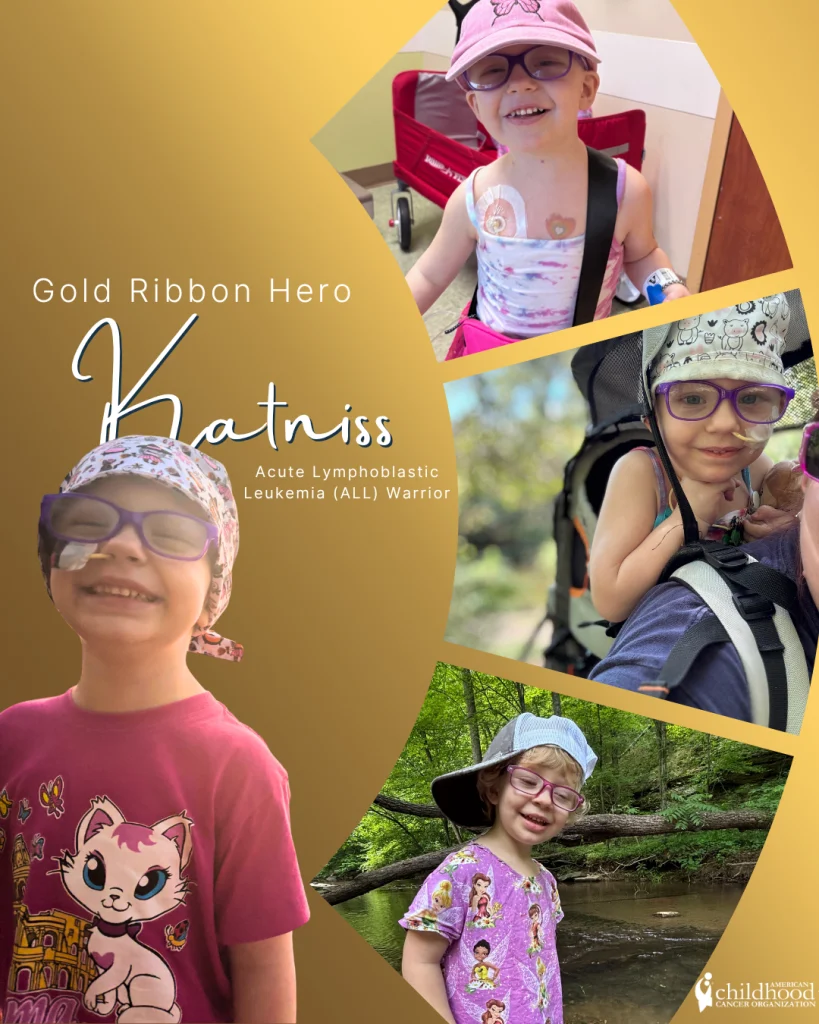
The landscape of pediatric oncology is defined not only by medical milestones but by the personal narratives of those navigating the complexities of long-term treatment. In June 2025, the life of a young girl named Katniss and her family underwent a profound transformation following a series of health complications that led to a diagnosis of Acute Lymphoblastic Leukemia (ALL). This diagnosis marked the beginning of a multi-year medical odyssey, highlighting the intersection of familial history, medical intervention, and the vital role of community-driven advocacy efforts such as the Grand Ole Opry Chili Cook-Off in Nashville, Tennessee.
The Path to Diagnosis: Clinical Presentation and Immediate Intervention
The medical journey for Katniss began with symptoms that initially appeared routine. In early June 2025, she was treated for strep throat, a common pediatric ailment. However, when the condition failed to improve and was followed by the alarming symptom of vomiting blood, her parents sought emergency medical intervention. Upon arrival at the emergency department, clinical evaluations revealed that Katniss was suffering from severe neutropenia—a condition characterized by an abnormally low count of neutrophils, a type of white blood cell essential for fighting off infections—and anemia, a deficiency in red blood cells or hemoglobin.
These clinical markers are often indicative of bone marrow failure or infiltration by malignant cells. Within days of her admission, diagnostic testing confirmed that Katniss had Acute Lymphoblastic Leukemia. ALL is a type of cancer of the blood and bone marrow that affects white blood cells. It is the most common form of cancer in children, characterized by the overproduction of immature lymphocytes, which crowd out healthy blood cells.
A Multigenerational Battle: The Survivor’s Perspective
The diagnosis carried an additional layer of emotional weight for the family. Katniss’s mother, Katherine, is herself a survivor of childhood leukemia. The recurrence of the disease in the next generation underscores a harrowing coincidence that many families in the oncology community face. Katherine expressed the profound heartbreak of seeing her daughter diagnosed with the same malignancy she had fought years prior, a sentiment that resonates with many parents who have personal histories with chronic illness.
While most cases of ALL are not considered hereditary in a traditional sense, the psychological impact on a survivor-parent is significant. The shared experience between mother and daughter provides a unique foundation for empathy and resilience, yet it also highlights the ongoing need for research into the long-term impacts and potential genetic predispositions associated with pediatric hematologic malignancies.
Clinical Protocol: The Two-and-a-Half-Year Treatment Plan
Following her diagnosis, Katniss was immediately enrolled in a rigorous treatment protocol. The standard of care for pediatric ALL is comprehensive and spans several years to ensure the total eradication of leukemic cells and to prevent relapse. Katniss is currently facing a projected two-and-a-half-year regimen of chemotherapy.
The treatment process involves several invasive procedures and phases:
- Port Placement: A central venous access device (port) is surgically implanted to allow for the efficient delivery of chemotherapy and the frequent drawing of blood samples, minimizing the need for repeated needle sticks.
- Induction Therapy: The initial phase aimed at achieving complete remission by killing the leukemia cells in the blood and bone marrow.
- Consolidation and Maintenance: These phases focus on eliminating any remaining undetectable cancer cells. For Katniss, this involves regular bone marrow biopsies to monitor cell counts and lumbar punctures (spinal taps) to deliver chemotherapy directly into the cerebrospinal fluid, protecting the central nervous system from leukemic infiltration.
Despite the physical toll of these procedures, medical reports and family accounts indicate that Katniss has maintained a resilient and "sassy" personality. This psychological resilience is often cited by pediatric specialists as a crucial factor in a child’s ability to navigate the social and emotional challenges of long-term hospitalization.
Supporting Data: The Landscape of Pediatric Leukemia
Acute Lymphoblastic Leukemia represents approximately 25% of all cancer diagnoses in children under the age of 15. According to data from the American Cancer Society and the National Cancer Institute, the five-year survival rate for children with ALL has improved significantly over the last several decades, rising from less than 10% in the 1960s to approximately 90% today.
However, the intensity of the treatment remains a significant burden. The transition from diagnosis to "maintenance" therapy involves high-dose medications that can cause a range of side effects, including immunosuppression, nausea, and neuropathy. The financial and emotional strain on families is also substantial, as parents often must balance full-time caregiving with professional responsibilities. Organizations like the American Childhood Cancer Organization (ACCO) play a pivotal role in providing resources, advocacy, and community support to mitigate these burdens.
Advocacy and Community: The Grand Ole Opry Chili Cook-Off
In recognition of her bravery and to raise awareness for pediatric cancer, Katniss was selected as an ambassador for the Grand Ole Opry Chili Cook-Off in Nashville, Tennessee. This annual event serves as a significant fundraiser and awareness platform, bringing together the local community, country music fans, and advocates for childhood cancer research.
While Katniss was unfortunately unable to attend the event on its scheduled date due to the demands of her treatment and health status—a common occurrence for pediatric patients whose immune systems are compromised—the organizers ensured she and her family could experience the magic of the venue at a later date. A few weeks after the fundraiser, Katniss and her family were given a private tour of the Grand Ole Opry house and attended a live show.
Such events are critical for several reasons:
- Fundraising: The proceeds from the Chili Cook-Off support programs that provide educational materials, emergency financial assistance, and advocacy for better federal funding for pediatric cancer research.
- Awareness: Featuring "warriors" like Katniss puts a human face on the statistics, encouraging public engagement and legislative support.
- Normalcy: For the patients, these experiences provide a much-needed sense of normalcy and joy outside the confines of a clinical setting.
The Role of the American Childhood Cancer Organization (ACCO)
The ACCO, which featured Katniss’s story, is the oldest and largest grassroots childhood cancer organization in the United States. Their mission focuses on providing support to families currently facing a diagnosis while advocating for policy changes at the state and federal levels. One of their primary goals is to address the disparity in research funding; currently, only a small fraction of the National Cancer Institute’s budget is dedicated specifically to pediatric cancers.
By highlighting ambassadors like Katniss, the ACCO draws attention to the specific needs of children, such as the development of age-appropriate treatments that minimize long-term "late effects" like heart disease or secondary cancers, which can occur decades after chemotherapy is completed.
Analysis of Implications and Future Outlook
The journey of Katniss illustrates the evolving nature of pediatric oncology. While medical science has made extraordinary leaps in survival rates, the "cure" remains a grueling process that tests the limits of family endurance. Katniss’s story also highlights the importance of early detection and the need for parents to advocate for their children when symptoms persist, as seen in the transition from a strep throat diagnosis to the discovery of leukemia.
Furthermore, the involvement of iconic institutions like the Grand Ole Opry indicates a growing trend of corporate and cultural social responsibility. When major entertainment venues leverage their platforms for health advocacy, they reach demographics that might not otherwise be engaged with pediatric health issues.
As Katniss continues her two-and-a-half-year treatment plan, her progress will be monitored through regular clinical evaluations. The support of the Nashville community and the ACCO provides a secondary network of care that complements her medical treatment. Her story serves as a reminder that while the path through leukemia is fraught with challenges, the combination of medical expertise, family legacy, and community solidarity provides a robust framework for recovery.
In the broader context of public health, Katniss’s experience underscores the necessity of continued investment in pediatric hematology. The goal of modern oncology is moving beyond mere survival toward "thriving"—ensuring that children who beat cancer can lead long, healthy lives without the debilitating side effects of 20th-century medicine. Through advocacy, awareness, and the resilient spirit of patients like Katniss, the oncology community moves closer to that objective every day.
