
 By admin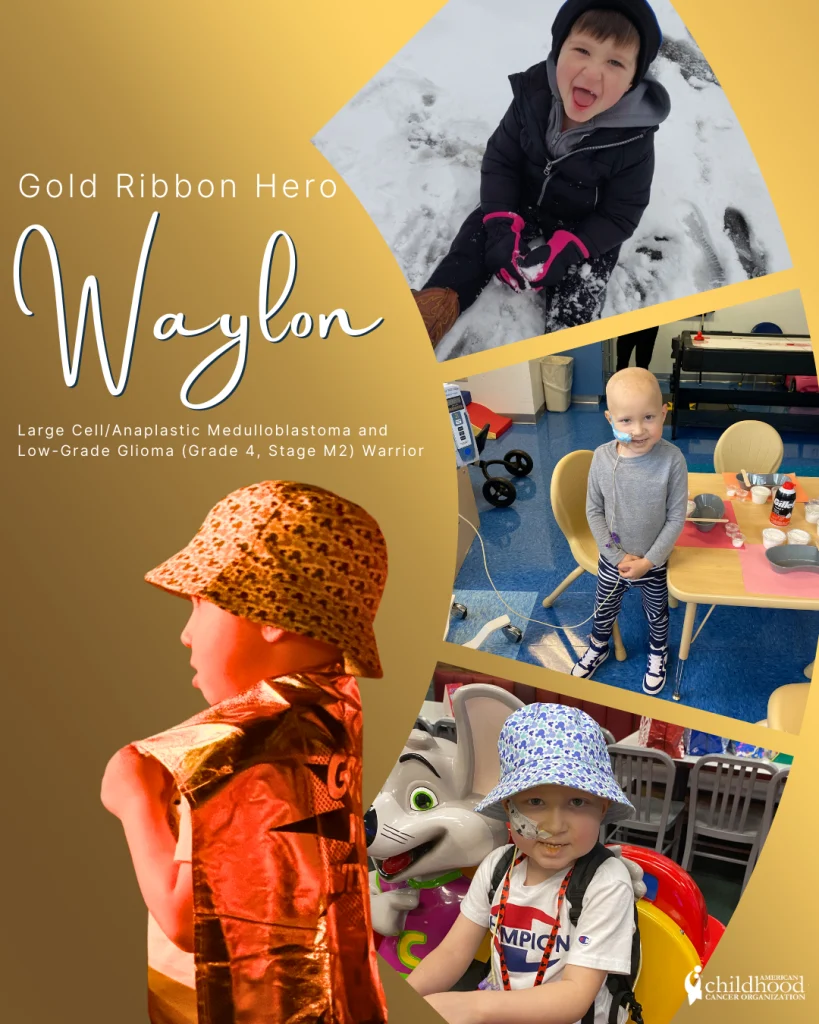
The diagnosis of a life-threatening illness in a child represents one of the most profound challenges a family can face, a reality that became the centerpiece of the life of five-year-old Waylon and his family in early 2025. Waylon, who has been characterized by his family and medical team as a "brain cancer warrior," was diagnosed with a complex and aggressive form of pediatric brain cancer that necessitated immediate and intensive medical intervention. His journey from the onset of symptoms to his role as an ambassador for the American Childhood Cancer Organization (ACCO) at the Grand Ole Opry highlights both the clinical complexities of pediatric oncology and the vital role of community support systems in the face of such diagnoses.
Clinical Presentation and the Path to Diagnosis
The medical trajectory for Waylon began with a series of symptoms that, while common in childhood, became increasingly persistent and concerning. His family noted a recurring pattern of severe headaches, frequent vomiting, and a noticeable decline in his physical coordination and balance. These symptoms are classic indicators of increased intracranial pressure, often caused by a mass within the central nervous system. Following a comprehensive medical evaluation, Waylon was officially diagnosed on April 24, 2025, with a dual pathology: large cell/anaplastic medulloblastoma and a low-grade glioma.
The diagnosis was further classified as Grade 4, Stage M2. In oncological terms, Grade 4 signifies the most aggressive form of tumor, characterized by rapid cell growth and a high likelihood of spreading to other parts of the brain and spinal cord. The "Stage M2" designation indicates that the cancer had progressed to the point where tumor cells were detectable in the cerebellar or cerebral subarachnoid space, necessitating a more systemic approach to treatment beyond localized surgery.
Waylon’s mother, Kayla, described the period surrounding the diagnosis as a total upheaval of their family life. "Our family’s whole world was turned upside down," she remarked, reflecting a sentiment common among parents who enter the world of pediatric oncology without warning. The diagnosis shifted the family’s focus from the milestones of early childhood to a rigorous schedule of neurosurgery, radiation, and chemotherapy.
A Comprehensive Treatment Chronology
The clinical management of Waylon’s condition has been multifaceted, involving several of the most taxing treatments available in modern medicine. To date, his treatment timeline includes:
- Surgical Intervention: Shortly after his diagnosis, Waylon underwent two major brain surgeries. The primary goal of these procedures was the resection of the tumor masses to relieve pressure on the brain and reduce the overall tumor burden before beginning adjuvant therapies.
- Radiation Therapy: Following his recovery from surgery, Waylon completed a full course of radiation treatment. Radiation in pediatric patients is carefully calibrated to target malignant cells while attempting to spare developing brain tissue, though it remains a high-intensity phase of the protocol.
- Chemotherapy Regimen: As of the latest medical update, Waylon has completed 33 out of 37 scheduled rounds of chemotherapy. This high-frequency dosing is designed to eradicate any remaining microscopic cancer cells and prevent recurrence, particularly given the anaplastic nature of his primary tumor.
This intensive protocol represents the standard of care for high-risk medulloblastoma, but it carries significant physical and developmental risks. The resilience shown by Waylon throughout these stages has been a point of inspiration for his medical providers and the broader community.
Understanding Medulloblastoma and Pediatric Brain Tumors
To understand the gravity of Waylon’s situation, it is necessary to examine the data surrounding pediatric brain tumors. Medulloblastoma is the most common malignant brain tumor in children, accounting for nearly 20% of all pediatric central nervous system (CNS) tumors. The "large cell/anaplastic" subtype identified in Waylon’s case is particularly significant; it is associated with a more aggressive clinical course and traditionally requires more intensive therapy than the "classic" subtype of medulloblastoma.
According to the National Cancer Institute (NCI), the five-year survival rate for children with medulloblastoma has improved significantly over the last several decades, now hovering between 70% and 80% depending on the molecular subtype and the extent of the spread at diagnosis. However, the treatment for Stage M2 tumors—where metastasis has begun within the CNS—remains a significant challenge for oncologists. Furthermore, survivors of Grade 4 brain tumors often face long-term "late effects" from treatment, including endocrine issues, cognitive shifts, and physical impairments, which require lifelong monitoring.
The Grand Ole Opry and the ACCO Partnership
In recognition of his bravery and the ongoing need for childhood cancer awareness, Waylon was selected as an ambassador for the Grand Ole Opry Chili Cook-Off in Nashville, Tennessee. This event is a cornerstone of a broader partnership between the American Childhood Cancer Organization (ACCO) and the iconic Nashville institution.
The Grand Ole Opry has a long-standing tradition of community engagement, and its collaboration with the ACCO during Childhood Cancer Awareness Month (September) serves to bring national attention to the need for increased research funding and family support services. During the event, Waylon and his family were invited to tour the historic Opry facility, participate in the employee chili cook-off, and attend a live performance.
Events like the chili cook-off serve a dual purpose. First, they provide "gold ribbon" families—those affected by childhood cancer—with an opportunity to create positive memories outside of a hospital setting. Second, they act as a high-profile platform for fundraising. The ACCO utilizes these funds to provide free resources to families, such as medical play kits that help children understand their treatments and advocacy programs that push for legislative changes at both the state and federal levels.
The Socio-Economic Impact of Childhood Cancer
The narrative of Waylon’s journey also highlights the broader implications of a pediatric cancer diagnosis on the family unit. Beyond the medical challenges, families often face "financial toxicity"—a term used by healthcare professionals to describe the severe financial distress caused by the cost of cancer treatment. Even with insurance, the incidental costs of travel, specialized nutrition, and the loss of income from parents who must become full-time caregivers can be devastating.
The involvement of organizations like the ACCO is critical in mitigating these stressors. By highlighting "warriors" like Waylon, these organizations humanize the statistics and drive the public to support the Research to Accelerate Cures and Equity (RACE) for Children Act and other initiatives aimed at developing treatments specifically designed for pediatric biology, rather than adapting adult treatments for children.
Official Responses and Advocacy Goals
Advocates for pediatric cancer research often point to a disparity in funding as a primary hurdle in improving outcomes. Currently, only a small fraction of the National Cancer Institute’s federal budget is dedicated specifically to childhood cancer research. The ACCO and its ambassadors, including Waylon, represent the vanguard of the movement to change this allocation.
In a statement regarding the partnership with the Grand Ole Opry, representatives for the ACCO emphasized that "sharing the stories of children like Waylon is essential to our mission. It is not just about awareness; it is about action. When the public sees the face of a five-year-old who has endured 33 rounds of chemotherapy and multiple brain surgeries, the need for better, less toxic treatments becomes an urgent moral imperative."
The Nashville event provided a platform for Waylon’s family to connect with others in the "gold ribbon" community, fostering a network of support that is vital for long-term psychological resilience. The visibility of Waylon at the Grand Ole Opry also serves as a reminder to the music industry and its global audience of the impact of corporate social responsibility.
Future Outlook and Conclusion
As Waylon nears the completion of his initial 37-round chemotherapy cycle, his medical team will transition into a phase of close monitoring and survivorship care. The path forward for a child with Grade 4 medulloblastoma involves frequent neuro-imaging and various rehabilitative therapies to address any physical or cognitive delays resulting from the intensive treatment regimen.
Waylon’s story is a testament to the advancements in pediatric oncology that allow children with Stage M2 diagnoses to not only survive but to participate in community life as ambassadors of hope. His experience at the Grand Ole Opry stands as a significant milestone in his journey, symbolizing the transition from a patient defined by a diagnosis to a child celebrated for his strength.
The broader implications of Waylon’s journey remain clear: while medical science has made great strides, the battle against pediatric brain cancer requires a sustained, multi-sector effort involving healthcare providers, national advocacy groups, and cultural institutions. Through the continued sharing of these clinical and personal narratives, the hope remains that the next generation of children will face a future where the "world being turned upside down" by a cancer diagnosis is a rarity rather than a reality for thousands of families each year.
