
 By admin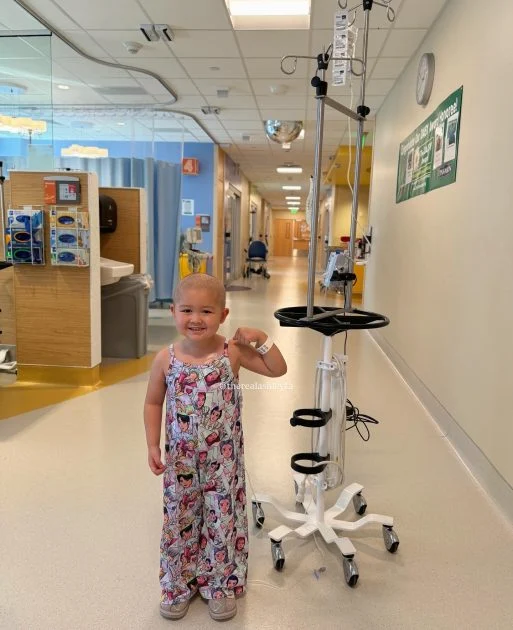
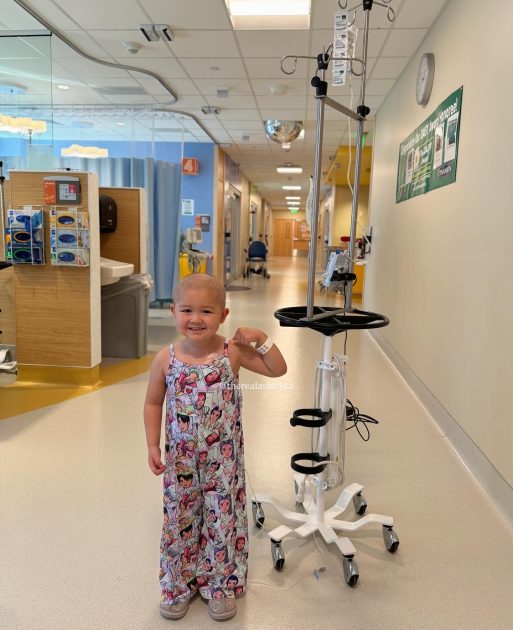
Rylee, a four-year-old girl currently navigating the complexities of pediatric cancer treatment, has been officially named a 2026 Ambassador for the American Childhood Cancer Organization (ACCO). Her appointment serves as a testament to the resilience of pediatric patients and highlights the critical importance of parental advocacy in the face of diagnostic challenges. Diagnosed with Acute Lymphoblastic Leukemia (ALL) in August, Rylee’s journey from the first onset of symptoms to her current status in remission provides a detailed look at the clinical, emotional, and logistical hurdles faced by families within the pediatric oncology system.
The trajectory of Rylee’s diagnosis began not with a definitive clinical finding, but with a mother’s persistent intuition. Ashley, Rylee’s mother, documented a harrowing period during which she sought medical intervention multiple times, only to be met with reassurances that her daughter’s condition was minor. The symptoms Rylee exhibited were varied and increasingly severe, including persistent fevers, chills, body aches, a swollen eye, swollen lymph nodes, bruising, and joint pain. Despite these red flags, initial consultations at urgent care centers and emergency rooms suggested common childhood ailments such as allergies or minor infections.
The situation reached a critical juncture on August 6, when Ashley refused to leave a medical facility without a comprehensive blood test. That afternoon, the family received the life-altering news: Rylee had leukemia. The diagnosis was delivered during a period of significant personal strain, as Rylee’s father, Jacob, was deployed overseas with the military, leaving Ashley to navigate the immediate aftermath of the news alone. Within hours of the diagnosis, Rylee was transported via ambulance to a specialized facility in Denver to begin intensive treatment.
The Clinical Reality of Acute Lymphoblastic Leukemia
Acute Lymphoblastic Leukemia (ALL) is the most common form of childhood cancer, characterized by the overproduction of immature lymphocytes (white blood cells) in the bone marrow. These abnormal cells eventually crowd out healthy blood cells, leading to the symptoms Rylee experienced, such as anemia, easy bruising, and a weakened immune system. While ALL has a high survival rate compared to other pediatric cancers—with the five-year survival rate now exceeding 90% in the United States—the treatment protocol remains one of the most grueling and lengthy in modern medicine.
Rylee’s first week of treatment was indicative of the aggressive nature of pediatric oncology. The medical team moved quickly to stabilize her condition and begin the process of eradicating the leukemic cells. This initial phase included the surgical placement of a chemo port, a bone marrow biopsy to determine the exact subtype of the leukemia, and a lumbar puncture. During the lumbar puncture, chemotherapy was injected directly into her spinal fluid to prevent the cancer from spreading to the central nervous system. Additionally, Rylee required three blood transfusions and two platelet transfusions to address the depletion caused by the disease, followed by her first two-hour chemotherapy session.
A Timeline of Treatment and Remission
The timeline of Rylee’s care reflects the rapid shifts inherent in leukemia treatment. By early September, less than a month after her initial diagnosis, Rylee was declared to be in clinical remission. In the context of ALL, remission indicates that no leukemic cells are visible in the bone marrow under a microscope and that blood counts have returned to a normal range. However, remission does not signify the end of treatment. Because leukemia cells can remain dormant or undetectable, a multi-year treatment plan is required to prevent a relapse.
Rylee’s medical team has outlined a treatment roadmap that extends through October 2027. This long-term approach is divided into several phases: induction, consolidation, and maintenance. In October, Rylee transitioned into a specialized phase of treatment involving Blinatumomab, often referred to as "Blina."
Blinatumomab represents a significant advancement in immunotherapy. It is a bispecific T-cell engager (BiTE) antibody that works by directing the body’s own T-cells to target and destroy B-cell leukemia cells. Unlike traditional chemotherapy, which attacks all rapidly dividing cells, Blinatumomab is more targeted. However, its administration is unique; it requires a continuous intravenous infusion over a 28-day cycle. To maintain her quality of life and mobility during this month-long process, Rylee carries her medication and pump in a small, specialized backpack, which her family has nicknamed her "superhero" pack.
The Role of Advocacy and the American Childhood Cancer Organization
As a 2026 ACCO Ambassador, Rylee’s story is being used to highlight the resources available to families through the American Childhood Cancer Organization. Founded in 1970 by parents of children with cancer, the ACCO is the oldest and largest grassroots childhood cancer organization in the U.S. Its mission is to provide support, education, and advocacy for families while funding research into less toxic and more effective treatments.
One of the primary resources highlighted in Rylee’s journey is the ACCO Medical Play Kit. These kits are designed to help children process the trauma of frequent medical procedures through "medical play." By using toy versions of the equipment they encounter in the hospital—such as syringes, stethoscopes, and bandages—children can gain a sense of agency over their environment. Rylee’s engagement with these tools, documented in her "unboxing" videos, shows her assuming the role of a doctor, a psychological coping mechanism that experts say is vital for reducing anxiety in pediatric patients.
The ACCO’s advocacy work also extends to the legislative level. The organization has been instrumental in pushing for the passage of the Childhood Cancer STAR Act and the RACE for Children Act, which aim to increase federal funding for research and mandate that pharmaceutical companies test new adult oncology drugs in pediatric populations when the molecular targets are relevant.
Analysis of Parental Advocacy and Healthcare Barriers
Rylee’s case brings to light a recurring theme in pediatric oncology: the "diagnostic odyssey." Research indicates that because childhood cancer is relatively rare, primary care physicians and urgent care staff may initially overlook symptoms that mimic common viral infections. Ashley’s experience of being told her daughter was "fine" or had "allergies" is a common narrative among cancer parents.
Medical professionals increasingly emphasize the importance of the "parental gut feeling." While clinical guidelines are essential, parents are the primary observers of a child’s baseline behavior and health. The delay in diagnosis for pediatric leukemia can lead to complications, though in Rylee’s case, her mother’s insistence on a blood test likely prevented further deterioration. This highlights a need for greater awareness within the medical community regarding the presentation of pediatric malignancies and a lower threshold for ordering diagnostic blood work when a parent reports persistent, multi-system symptoms.
Furthermore, Rylee’s story underscores the specific challenges faced by military families. The sudden onset of a chronic, life-threatening illness during a spouse’s deployment creates a unique set of stressors. The logistical burden of hospital stays, combined with the emotional weight of a diagnosis, requires a robust support network. Organizations like the ACCO and the military’s own family support programs are often the only safety nets available to these families.
Implications and Future Outlook
The road ahead for Rylee is one of "maintenance," a phase of treatment that is often overlooked but remains critical. Maintenance therapy involves lower doses of chemotherapy administered over several years to ensure that any residual leukemic cells are eradicated. For Rylee, this means that while she can return to activities like riding her bike, playing with her siblings, and hosting tea parties, the shadow of clinical intervention will remain a constant in her life until late 2027.
The broader implications of Rylee’s ambassadorship are found in the increased visibility of childhood cancer. Despite being the leading cause of death by disease in children in the U.S., pediatric cancer research receives a disproportionately small percentage of federal funding compared to adult cancers. By sharing the honest, often difficult details of Rylee’s journey—including the physical toll of chemotherapy and the emotional toll of a fractured family unit during deployment—Ashley and the ACCO aim to humanize these statistics and drive public support for increased research and family resources.
Rylee’s positivity and curiosity about her own medical care have become hallmarks of her journey. Her ability to light up a room despite the "superhero" pack on her back serves as a powerful image for the 2026 ACCO campaign. As she continues her treatment, her story remains a call to action for parents to trust their instincts and for the medical community to listen more closely to the advocates who know their patients best.
Through the ongoing documentation of Rylee’s journey on social media and through the ACCO’s platforms, the family continues to advocate for the "Trust Your Gut" message. As Ashley notes, the fight to be heard by medical professionals is often the first and most crucial battle in saving a child’s life. With Rylee now in remission and a clear path toward 2027, the focus remains on ensuring she, and thousands of children like her, have access to the life-saving treatments and psychological support necessary to navigate a childhood redefined by cancer.
