
 By admin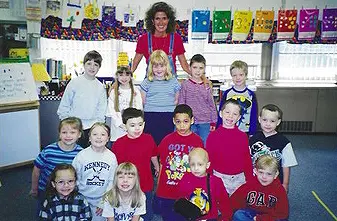
The intersection of personal grief and philanthropic action often serves as a catalyst for significant advancements in medical research and community support. In August, this intersection will be physically manifested on the rugged terrain of Minnesota’s Superior Hiking Trail, where Michele Benyo and Alicia, a lifelong friend of the Benyo family, will embark on a 25.5-mile trek known as the CureSearch Ultimate Hike. This event is not merely a feat of physical endurance; it represents a decades-long narrative of resilience, a tribute to a young life lost to rhabdomyosarcoma, and a strategic effort to fund the next generation of pediatric oncology breakthroughs.
The story of David Benyo, which began in the late 1990s, underscores the harrowing reality of childhood cancer and the limitations of medical technology at the turn of the millennium. Today, his legacy continues through the efforts of those who knew him, highlighting a broader movement to address the critical funding gaps in pediatric cancer research. As Alicia and Michele prepare for their journey, their mission serves as a poignant reminder of the enduring impact of childhood friendship and the transformative power of turning profound loss into collective hope.
A Chronology of Resilience: The Medical Battle of David Benyo
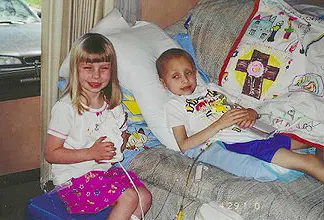
The trajectory of David Benyo’s illness began in December 1997 when his parents discovered a physical abnormality that led to a diagnosis of rhabdomyosarcoma, a rare and aggressive form of cancer that forms in soft tissue. At just four years old, David was thrust into a grueling medical regimen. His initial presentation involved a tumor described as being the size of a grapefruit, necessitating an immediate and intensive intervention strategy.
Over the following year, David underwent a comprehensive treatment plan that included chemotherapy, surgical intervention, and multiple blood transfusions. Medical staff at the time noted David’s exceptional spirit; he famously identified himself as a "cheetah" to the nurses, a metaphor for the fierce internal strength he maintained during invasive procedures. By the end of this initial phase, the treatment appeared successful. The tumor retreated, and David was granted a period of remission, during which his family participated in a Make-A-Wish trip to Disney World—a milestone that provided a brief respite from the clinical environment.
However, the nature of rhabdomyosarcoma often involves high rates of recurrence. Shortly after the family’s return, the cancer was detected in David’s bone marrow. This escalation required more aggressive measures. David became one of the early recipients of a pediatric stem cell transplant at Minneapolis Children’s Hospital, a procedure that, in the late 1990s, represented the frontier of pediatric oncology. Despite achieving a second remission, the cancer returned for a third time.
By the age of six, after years of systemic toxicity and invasive surgeries, David expressed a desire to cease further treatment. His family honored this request, transitioning to palliative care at home. David Benyo passed away in May 2000, leaving a profound void in his family and his community, including his younger sister and his kindergarten classmates.
The Psychological Landscape of Childhood Bereavement and Lasting Friendship
Among those most affected by David’s passing was Alicia, a kindergarten classmate and fellow church member. The loss of a peer at such a developmental stage often leaves a lasting psychological imprint. For Alicia, the grief was initially characterized by avoidance; the trauma of losing her "first friend" led to a years-long reluctance to engage with the topic of cancer.
Despite this internal struggle, Alicia maintained a consistent connection with David’s mother, Michele. This relationship evolved from one of shared mourning to one of active remembrance. A pivotal moment in this chronology occurred during Alicia’s high school graduation, where she presented Michele with a locket containing David’s photograph. The gesture was a symbolic acknowledgment that David’s presence remained a guiding force in her life, stating at the time that he had "walked across the stage" with her.
Now a special needs teacher at the same elementary school she and David attended, Alicia’s life has come full circle. However, the motivation for her upcoming hike was further solidified by a more recent tragedy: the loss of her mother to cancer. Alicia’s mother had been David’s Sunday school teacher and a pillar of support for the Benyo family during David’s illness. This double loss has transformed Alicia’s perspective from one of avoidance to one of advocacy, viewing the 25.5-mile hike as a meaningful tribute to both her mother and her childhood friend.
The Burden of Pediatric Cancer: Statistical Realities and Funding Gaps
The story of David Benyo is a singular example of a much larger public health challenge. Pediatric cancer remains the leading cause of death by disease among children in the United States. According to data from the National Cancer Institute (NCI), approximately 15,000 children and adolescents under the age of 20 are diagnosed with cancer each year.
Rhabdomyosarcoma, the specific cancer that David fought, accounts for about 3% of all childhood cancers. While the five-year survival rate for localized rhabdomyosarcoma has improved to approximately 70%, the prognosis drops significantly—to below 30%—when the disease is metastatic or recurrent, as was the case with David.
A critical issue in the field of pediatric oncology is the disparity in research funding. While adult cancers receive significant investment from pharmaceutical companies and federal agencies, pediatric cancer research is often underfunded. The NCI allocates only about 4% of its annual budget to childhood cancer research. This "funding gap" means that many pediatric treatments are repurposed from adult protocols, which can be overly toxic for developing bodies or ineffective against the unique genetic drivers of childhood malignancies.
Organizations like CureSearch for Children’s Cancer aim to fill this void. By funding targeted research and clinical trials specifically designed for pediatric populations, CureSearch seeks to accelerate the development of less toxic and more effective therapies. The funds raised through the Ultimate Hike are directly funneled into these high-impact research initiatives.
The Superior Hiking Trail: A Physical Manifestation of the Healing Journey
The choice of the Superior Hiking Trail for the CureSearch Ultimate Hike is significant both logistically and symbolically. Stretching over 300 miles along the rocky ridgeline overlooking Lake Superior, the trail is known for its rugged terrain, steep elevation changes, and breathtaking vistas.
For participants like Michele and Alicia, the 25.5-mile segment represents a "marathon on dirt." The physical exertion required to navigate the trail mirrors the arduous journey of cancer treatment and the "long walk" of grief. This form of "adventure philanthropy" has gained popularity as a way for survivors and bereaved families to reclaim a sense of agency and physical strength.
The event is structured to foster a sense of community. Hikers undergo months of training and fundraising, culminating in a weekend where they share their stories and their "why" for hiking. For Michele, the hike is a way to ensure that David’s "cheetah" spirit continues to move forward. For Alicia, it is an opportunity to process the loss of her mother and her friend through sustained physical action.
Strategic Implications: The Role of CureSearch in Advancing Pediatric Oncology
The ultimate goal of the CureSearch Ultimate Hike extends beyond personal healing; it is a strategic effort to change the clinical outcomes for future patients. The funds raised by participants support several key areas of oncology:
- Accelerated Drug Development: Funding researchers who are working on targeted therapies that home in on cancer cells without damaging healthy tissue.
- Phase I and II Clinical Trials: Providing the necessary capital to move promising laboratory discoveries into the clinical setting where they can benefit children.
- International Collaboration: Supporting data sharing between global institutions to better understand rare pediatric tumors like rhabdomyosarcoma.
By participating in the hike, Michele and Alicia are contributing to a movement that aims to ensure that the "endings" for children diagnosed today are different from David’s ending in 2000. Since David’s passing, advancements in genomic sequencing and immunotherapy have begun to provide new avenues for treatment that were unavailable two decades ago. However, the pace of these advancements is entirely dependent on sustained philanthropic support.
Conclusion: A Legacy of Purpose and Hope
The story of David Benyo, Michele, and Alicia illustrates that while some stories do not have the endings we hope for, they do not truly end. Instead, they evolve into legacies of purpose. The upcoming hike on the Superior Hiking Trail is a testament to the fact that grief, when channeled through community and action, can become a powerful force for scientific progress.
As Michele and Alicia lace up their boots this August, they carry with them the memory of a four-year-old "cheetah" and a beloved Sunday school teacher. Every mile they cover on the 25.5-mile trek is a step toward a future where pediatric cancer is no longer a terminal diagnosis. Their journey serves as an invitation to the broader public to recognize the urgency of pediatric cancer research and to support the efforts of organizations like CureSearch in their mission to provide every child with a chance at a full and healthy life.
