
 By Nana O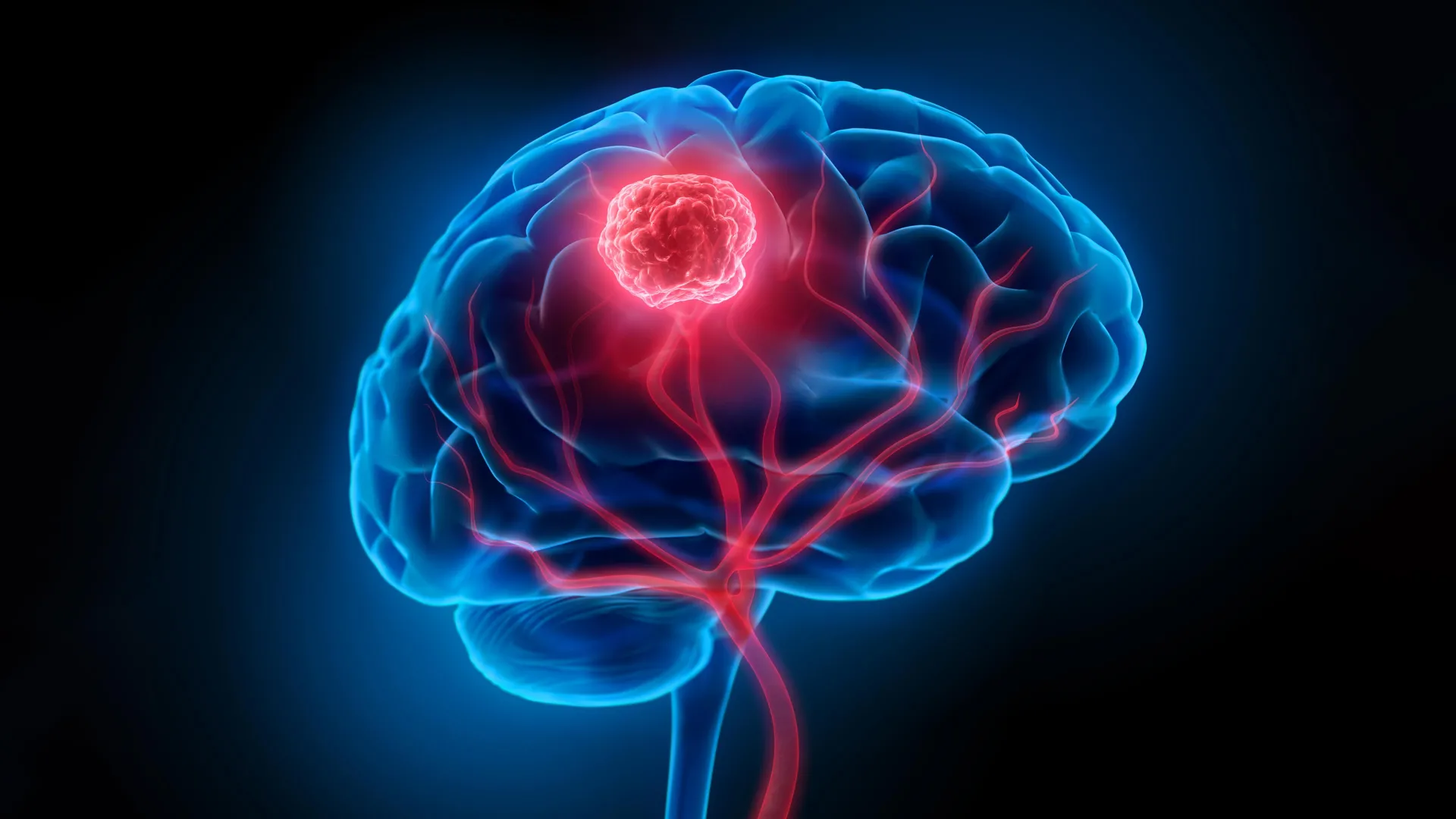
Glioblastoma, a notoriously aggressive form of brain cancer, has long presented formidable challenges to medical science. Characterized by its rapid proliferation and invasive nature, glioblastoma cells infiltrate surrounding healthy brain tissue, making complete surgical resection a complex and often incomplete endeavor. Surgeons must meticulously navigate delicate neural structures, frequently leaving behind microscopic remnants of the tumor. Compounding these surgical limitations, the formidable blood-brain barrier acts as a biological fortress, severely restricting the efficacy of conventional therapeutic agents, including chemotherapy drugs and radiation, in reaching and eradicating cancerous cells within the tumor core. These intertwined obstacles contribute to a grim prognosis, with the five-year survival rate for glioblastoma patients hovering at a mere 7 percent, underscoring the urgent need for innovative treatment strategies.
A Dual-Action Nanotechnology Breakthrough
In a significant stride towards overcoming these persistent hurdles, a collaborative research team from the University of Technology Sydney (UTS), Harvard University, and Henan University has unveiled a groundbreaking ‘double-punch’ nanozyme platform. This sophisticated system, detailed in a recent publication in the prestigious journal Science Translational Medicine, ingeniously employs a single class of smart nanoparticles to address both the diagnostic and therapeutic challenges posed by glioblastoma.
Dr. Bingyang Shi, Chair Professor of Nanomedicine at UTS’s School of Electrical, Mechanical and Biomedical Engineering and a lead author on the study, articulated the core innovation: "We’ve engineered a single material that does two jobs in sequence. It’s a precise guide for the surgeon during the operation, and then a targeted clean-up treatment afterward." This sequential functionality is the cornerstone of the platform’s potential to revolutionize glioblastoma management.
The Architecture of Precision: Atomically Thin Sheets
At the heart of this novel system lies an ultra-thin, two-dimensional sheet. This material is meticulously constructed at the atomic level, with individual atoms precisely positioned using techniques adapted from the advanced semiconductor manufacturing industry. This atomic-scale engineering imbues the material with a remarkable ability to transition between two distinct functional roles. Initially, it serves as a highly sensitive imaging agent, enabling surgeons to visualize cancerous growths with unprecedented clarity. Subsequently, the same nanoparticle platform transforms into a potent therapeutic agent, delivering targeted phototherapy to eliminate any residual cancer cells. Crucially, both of these functions are activated by the application of a single wavelength of near-infrared light, a non-invasive and clinically practical energy source.
Illuminating the Shadows: Enhanced Surgical Visualization
During surgical procedures, the nanozyme platform acts as a sophisticated visual aid. "During surgery, it functions as a highly sensitive imaging agent," explained Professor Shi. "A fluorescent dye engineered onto the sheet glows under a near-infrared wavelength invisible to the naked eye, allowing surgeons to see individual tumor cell clusters as small as 44 micrometers, a resolution beyond current clinical imaging tools." This level of detail is critical, as it surpasses the capabilities of existing intraoperative imaging technologies, enabling surgeons to identify and resect tumor margins with significantly greater precision.
Furthermore, the nanoparticles are equipped with a carefully designed targeting molecule. This moiety facilitates their passage across the formidable blood-brain barrier, a significant achievement in itself. Once across, it ensures that the nanoparticles preferentially accumulate within glioma cells, concentrating their imaging and therapeutic potential precisely where it is needed most. This targeted accumulation minimizes off-target effects and maximizes the diagnostic and therapeutic impact on the cancerous tissue.
Post-Operative Annihilation: Eradicating Residual Disease
Following the visible tumor mass’s removal, the nanozyme platform is strategically deployed within the surgical cavity. The same near-infrared light is then applied, initiating the second phase of its therapeutic mission. "After the visible tumor is removed, the same material is administered into the surgical cavity and reactivated with the same wavelength of light for postoperative phototherapy," Professor Shi elaborated.
In this therapeutic mode, the platinum atoms integrated into the nanoparticle structure play a pivotal role. They catalyze a reaction, converting the tumor’s own endogenous hydrogen peroxide into oxygen. This process is vital, as glioblastoma tumors often create a hypoxic (low-oxygen) microenvironment, which paradoxically shields cancer cells from conventional treatments. By increasing oxygen levels, the nanoparticles neutralize this protective shield. Simultaneously, the near-infrared light triggers the generation of heat and highly reactive oxygen species. These potent agents are designed to destroy any microscopic cancer cells that may have evaded surgical removal, effectively "cleaning up" the remaining disease.
Confronting Recurrence: A Strategic Defense
The insidious nature of glioblastoma recurrence stems directly from the challenge of completely eradicating all cancerous cells. Even after a seemingly successful surgery, microscopic tumor fragments can persist, lying dormant before initiating a new phase of aggressive growth. The UTS-led nanozyme platform is specifically engineered to confront this critical issue. By providing both enhanced visualization during surgery and a targeted post-operative therapeutic intervention, it aims to significantly reduce the likelihood of tumor recurrence, a major determinant of patient outcomes.
Pre-Clinical Validation: Promising Results in Animal Models
The efficacy of this innovative nanoparticle approach has been rigorously evaluated in preclinical studies using mouse models of glioblastoma. The results have been highly encouraging. In treated mice, tumor recurrence following surgery was substantially reduced. Remarkably, all mice in the treated group remained alive at the 60-day mark, a significant improvement compared to the 42-day survival observed in mice that underwent surgery alone. Importantly, comprehensive follow-up assessments revealed no detectable neurological or motor impairments associated with the nanoparticle treatment, suggesting a favorable safety profile in these animal models.
A Glimpse into the Future: Cautious Optimism and Next Steps
While the preclinical findings represent a significant advancement, the research team emphasizes that the technology is still in its early stages of development. "The results are very encouraging, but this is still early-stage research carried out in mouse models, not in people – and that distinction is important," cautioned Professor Shi. The transition from animal models to human clinical trials involves a complex and lengthy process of rigorous testing and validation.
The researchers acknowledge that further studies are necessary to confirm the imaging and therapeutic performance of the nanoparticles at the scale of a human brain. Scaling up the production of these intricate nanoparticles while maintaining their precision and efficacy will be a critical engineering challenge.
Broader Implications and the Path Forward
Should this promising technology successfully navigate the transition to human clinical application, the implications for glioblastoma patients could be profound. Surgeons could gain the ability to "see" and remove more of the tumor during an operation, and subsequently, to treat the microscopic remnants that inevitably remain. This dual-action approach holds the potential to substantially improve the quality of life and extend survival for individuals battling this devastating disease.
The development of this dual-function nanozyme platform is a testament to the power of interdisciplinary collaboration and the relentless pursuit of innovative solutions in the fight against cancer. While the journey from laboratory discovery to widespread clinical use is often arduous, the initial success of this technology offers a tangible beacon of hope for a future where glioblastoma is a more manageable and treatable condition. The ongoing research signifies a meaningful step towards addressing the pervasive challenge of tumor recurrence, a critical factor in improving the long-term prognosis for glioblastoma patients. The scientific community will be closely watching as this groundbreaking research progresses through further stages of development and clinical evaluation.
