
 By Billy Candra
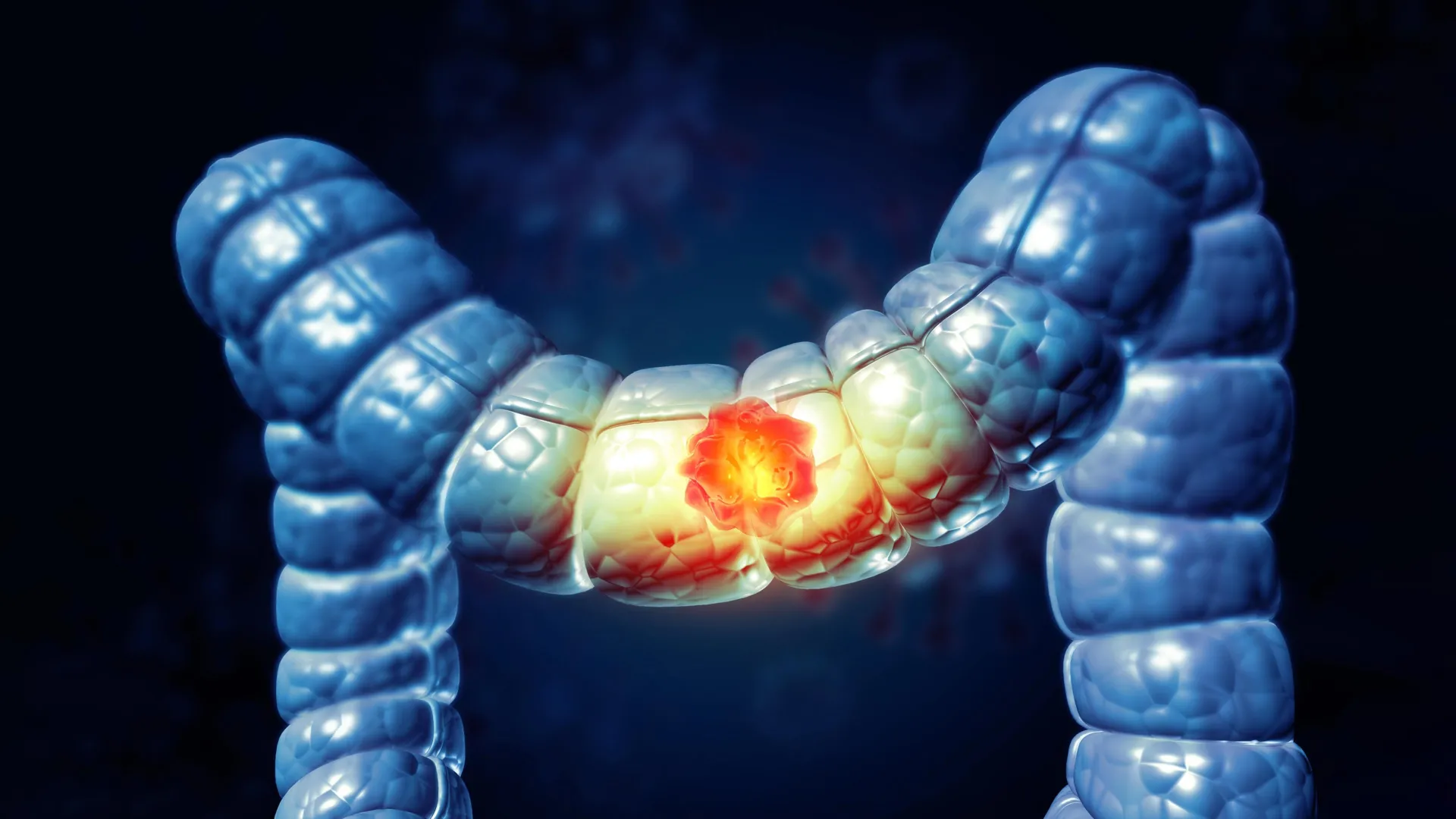
In a significant paradigm shift for oncology, new research from the Sloan Kettering Institute at Memorial Sloan Kettering Cancer Center (MSK) has unveiled a complex, dual role for regulatory T (Treg) cells in colorectal cancer, challenging long-held assumptions about these immune suppressors. Traditionally, a high presence of Treg cells in most solid tumors has been associated with adverse patient outcomes, as these cells act as crucial "brakes" on the immune system, thereby dampening the body’s natural ability to combat cancerous cells. Colorectal cancer, however, has stood out as a perplexing exception, where an abundance of Treg cells has paradoxically correlated with improved survival rates. For decades, this anomaly baffled researchers, impeding the development of effective, targeted therapies for a significant patient population.
The pivotal study, published in the esteemed scientific journal Immunity, now offers a clear and compelling explanation for this enigma: not all Treg cells are created equal. The key discovery is that the impact of Treg cells on tumor progression hinges not merely on their quantity, but critically, on their specific subtype and the signaling molecules they produce. This revelation is poised to revolutionize immunotherapy strategies for the most common forms of colorectal cancer and holds promising implications for other cancers arising in tissues constantly exposed to environmental stresses, such as the skin, mouth, throat, and stomach lining.
Unraveling a Long-Standing Paradox in Cancer Immunology
For many years, the scientific community operated under the general understanding that regulatory T cells, or Tregs, were primarily detrimental in the context of cancer. Their fundamental role in maintaining "immune tolerance" – preventing the immune system from mistakenly attacking the body’s own healthy tissues, beneficial microbes, and innocuous substances – becomes a liability when faced with malignancy. By suppressing the potent anti-tumor responses of effector T cells, such as cytotoxic CD8+ T cells, Tregs are often seen as enablers of tumor growth and immune evasion. This perspective has led to therapeutic strategies aimed at depleting Tregs to unleash the immune system against cancer.
Yet, colorectal cancer presented a frustrating counter-narrative. Unlike melanoma or lung cancer, where high Treg infiltration typically signals a poor prognosis, patients with colorectal cancer frequently exhibited better survival when their tumors contained more Treg cells. This glaring inconsistency highlighted a critical gap in understanding the intricate interplay between the tumor microenvironment and immune regulation within the gastrointestinal tract.
The research team at MSK, led by co-senior authors Alexander Rudensky, PhD, Chair of the Immunology Program, and computational biologist Christina Leslie, PhD, has now meticulously dissected this paradox. "Instead of the regulatory T cells promoting tumor growth, as they do in most cancers, in colorectal cancer we discovered there are actually two distinct subtypes of Treg cells that play opposing roles — one restrains tumor growth, while the other fuels it," explained Dr. Rudensky. "It’s these beneficial Treg cells that make the difference, and this underscores the need for selective approaches." This finding underscores a growing appreciation for the heterogeneity of immune cell populations and the necessity of precision targeting in cancer therapy.
A Legacy of Discovery: Decades of Research Culminate in Breakthrough
This groundbreaking study is not an isolated finding but rather the culmination of more than two decades of foundational research by Dr. Rudensky, a recognized global authority on regulatory T cells. His extensive work has been instrumental in establishing the critical role of Treg cells in maintaining immune homeostasis and preventing autoimmune diseases. Over the years, Dr. Rudensky’s laboratory has systematically uncovered the mechanisms governing Treg cell development, their functional diversity, and their profound influence on various physiological and pathological processes, including cancer.
The current study was spearheaded by first authors Xiao Huang, PhD, a postdoctoral researcher in the Rudensky Lab; Dan Feng, MD, PhD, a former MSK Medical Oncology fellow now affiliated with the Icahn School of Medicine at Mount Sinai; and Sneha Mitra, PhD, a postdoctoral researcher in Dr. Leslie’s computational biology lab. Their collaborative efforts, combining advanced immunology with sophisticated computational analysis, were essential in navigating the complex data landscapes and identifying the subtle yet critical distinctions between Treg cell populations. This interdisciplinary approach exemplifies the cutting-edge research environment at MSK.
The historical trajectory of immunotherapy itself provides crucial context. The development of checkpoint inhibitors, which block proteins like PD-1 or CTLA-4 to release immune brakes, has transformed cancer treatment for many. However, these therapies have shown limited efficacy in a substantial proportion of patients, particularly those with "cold" tumors that lack significant immune cell infiltration or possess a highly immunosuppressive microenvironment. The current study directly addresses this challenge by providing a nuanced understanding of immune suppression that can lead to more refined therapeutic interventions.
Focusing on the Most Prevalent Form of Colorectal Cancer
Colorectal cancer remains a formidable public health challenge. According to the American Cancer Society, it ranks as the second leading cause of cancer-related death when men and women are considered together, with an estimated 153,020 new cases and 52,550 deaths projected in the United States for 2023. The vast majority of these cases, approximately 80% to 85%, fall into the category of microsatellite stable (MSS) with proficient mismatch repair (MMRp) tumors. These MSS-MMRp colorectal cancers are characterized by relatively stable DNA and, crucially, typically do not respond well to existing checkpoint inhibitor immunotherapies. This represents a significant unmet medical need, as these patients often face limited treatment options beyond conventional chemotherapy, surgery, and radiation.
In stark contrast, earlier research, including studies conducted at MSK, demonstrated that checkpoint inhibitors can be remarkably effective against colorectal cancers with high microsatellite instability (MSI-H) and mismatch repair deficiency (dMMR). These dMMR tumors, which account for about 15-20% of colorectal cancers, exhibit a high mutational burden that makes them more visible to the immune system, often allowing patients to achieve durable responses with immunotherapy alone, thereby avoiding the toxicities associated with traditional treatments. The discrepancy in immunotherapy response between MSS-MMRp and MSI-H dMMR colorectal cancers has been a major focus of research, and the MSK team’s latest findings offer a potential pathway to bridge this therapeutic gap for the majority of patients.
Two Distinct Treg Subtypes: Opposing Forces within the Tumor Microenvironment
To decipher the unique immune landscape of common colorectal cancers, the researchers utilized a sophisticated mouse model developed at MSK. This model meticulously replicates the genetic alterations, tumor behavior, and complex immune environment characteristic of human colorectal tumors, providing a robust platform for mechanistic studies.
Through a series of detailed experiments, the team made a critical observation: tumor-associated Treg cells could be clearly divided into two primary groups based on their cytokine production profile. One group was characterized by its production of interleukin-10 (IL-10), a cytokine widely recognized for its immunosuppressive and anti-inflammatory properties. The other group, notably, did not produce IL-10.
By selectively removing each of these distinct Treg populations in their mouse models, the researchers meticulously uncovered their diametrically opposed effects on tumor growth:
-
IL-10-positive Treg cells: The Beneficial Protectors. These cells were found to actively slow tumor growth. Their protective mechanism involves reducing the activity of Th17 cells, another type of immune cell that produces interleukin-17 (IL-17). IL-17 is known to act as a potent growth signal for tumors in the colon, promoting inflammation and angiogenesis that support cancer progression. Intriguingly, these beneficial IL-10-positive Treg cells were more frequently localized in the healthy tissue immediately adjacent to the tumor, suggesting a role in maintaining tissue homeostasis and perhaps preventing tumor expansion into surrounding healthy areas. When these IL-10-positive Treg cells were experimentally depleted, tumors in the mouse models grew more quickly, underscoring their critical anti-tumor function.
-
IL-10-negative Treg cells: The Harmful Promoters. In stark contrast, the IL-10-negative Treg cells exerted an opposing and detrimental effect. These cells were found to suppress powerful immune defenders, particularly cytotoxic CD8+ T cells, which are renowned for their direct cancer-killing capabilities. By inhibiting CD8+ T cell activity, these harmful Tregs effectively disarm the immune system, allowing tumors to proliferate unchecked. A key observation was their predominant localization within the tumor itself, indicating their direct involvement in creating an immunosuppressive tumor microenvironment. When these IL-10-negative Treg cells were eliminated, tumors exhibited significant shrinkage, confirming their role as drivers of tumor growth.
This precise dissection of Treg cell function resolves the long-standing paradox: the overall abundance of Treg cells in colorectal cancer is misleading. What matters is the balance between these two opposing forces. If the beneficial IL-10-positive Tregs are sufficiently prevalent, their anti-tumor effects can outweigh the pro-tumor actions of the IL-10-negative Tregs, leading to better patient outcomes.
Patient Data Confirms and Validates the Findings
To validate their mechanistic findings in mouse models, the MSK team rigorously analyzed tumor samples obtained from human colorectal cancer patients. This crucial step confirmed the presence of the two distinct populations of IL-10-positive and IL-10-negative Treg cells in human disease.
Further cementing the clinical relevance of their discovery, the researchers analyzed outcomes for over 100 colorectal cancer patients. The results were compelling: patients whose tumors exhibited higher levels of the beneficial IL-10-positive Treg cells indeed experienced longer survival. Conversely, patients whose tumors contained a greater proportion of the harmful IL-10-negative Treg cells faced poorer clinical outcomes.
"This research shows how important these positive cells are," stated Dr. Huang, highlighting the profound implications for patient stratification and therapeutic development. "And it highlights the need to develop therapies that can selectively eliminate the harmful Tregs while preserving the helpful ones." This sentiment encapsulates the essence of precision oncology, moving beyond broad immune modulation to highly targeted interventions.
Targeting CCR8: A Promising New Strategy for Precision Immunotherapy
The detailed characterization of these Treg subtypes opened a promising new avenue for therapeutic intervention. The researchers discovered that the harmful IL-10-negative Treg cells, those primarily located within tumors and responsible for suppressing anti-cancer immunity, expressed high levels of a specific protein on their surface known as CCR8.
This finding immediately resonated with earlier work from Dr. Rudensky’s lab, notably led by breast cancer surgeon George Plitas, MD. That prior research had demonstrated that CCR8 is also highly expressed on tumor-infiltrating Treg cells in breast cancer and numerous other human malignancies. This convergence of findings suggested a powerful therapeutic strategy: the development of antibodies specifically designed to target and deplete CCR8-expressing cells. The rationale is that such "CCR8-depleting antibodies" could selectively eliminate the harmful, pro-tumor Treg cells while leaving the beneficial, protective Treg cells intact, thereby unleashing a more effective immune attack against the tumor without compromising vital immune tolerance functions elsewhere in the body.
"This idea of using CCR8-depleting antibodies, which was pioneered at MSK, is the main target of global efforts to bring regulatory T cell-based immunotherapy to the clinic," affirmed Dr. Rudensky, who is also a Howard Hughes Medical Institute Investigator. This statement underscores the global significance and potential impact of MSK’s research in this area.
Indeed, the momentum behind this approach is rapidly building. Multiple clinical trials are currently underway at MSK and other leading institutions worldwide, investigating the efficacy of CCR8-targeting therapies, both as monotherapy and in combination with existing immunotherapies. The new study provides robust preclinical and clinical data that strongly reinforces the case for deploying this innovative strategy in colorectal cancer, and potentially far beyond.
Broader Implications: Similar Immune Patterns in Other Barrier Tissues
The MSK team’s investigation extended beyond colorectal cancer. They meticulously examined a vast dataset of T cells derived from 16 different cancer types to ascertain whether similar immune patterns of Treg heterogeneity existed elsewhere. Their analysis yielded compelling results: they found comparable divisions between IL-10-positive and IL-10-negative Treg cell populations in several cancers affecting the skin and the delicate linings of the mouth, throat, and stomach.
"What these tissues have in common is that immune cells play a critical role in constantly defending and repairing them as they’re exposed to microbes and environmental stresses," noted Dr. Mitra, who led the extensive data analysis and is co-mentored by Dr. Leslie and Dr. Rudensky. This insight suggests a conserved evolutionary mechanism of immune regulation in these "barrier tissues," which are continuously challenged by external factors.
This exciting observation opens up the possibility that therapies designed to selectively remove IL-10-negative Treg cells, initially developed for colorectal cancer, could also prove effective against these other cancers that arise in barrier tissues. This expands the potential clinical utility of CCR8-targeting strategies, offering hope for a wider range of cancer patients.
The Metastatic Conundrum: A Different Immune Balance in Advanced Disease
While the findings for primary colorectal tumors were clear, the researchers also delved into the immune landscape of metastatic colorectal cancer, specifically focusing on disease that had spread to the liver. Here, they observed a notably different immune pattern. In these metastatic tumors, the harmful IL-10-negative Treg cells greatly outnumbered the helpful IL-10-positive cells, indicating a shift towards a more profoundly immunosuppressive environment.
Crucially, in this metastatic context, removing all Treg cells (a less selective approach than CCR8 targeting) caused the metastatic tumors to shrink. This finding suggests that in advanced, metastatic disease, the overall immunosuppressive burden of Tregs might be so overwhelming that even a non-selective depletion could be beneficial, or that the beneficial Treg population is simply too diminished to provide protection.
This result highlights a critical consideration for future treatment strategies: the need to account for both the specific tissue involved and, importantly, the stage of the disease. Immunotherapeutic approaches may need to be dynamically adapted as cancer progresses and metastasizes, reflecting the evolving immune microenvironment at different disease stages and anatomical sites.
Charting the Future of Immunotherapy
The MSK study represents a significant leap forward in understanding the complex roles of regulatory T cells in cancer. It not only resolves a long-standing paradox in colorectal cancer immunology but also provides a concrete, actionable therapeutic target in CCR8. By demonstrating the heterogeneous nature of Treg cells and their context-dependent functions, the research paves the way for a new generation of immunotherapies that are more precise, more effective, and potentially less prone to inducing broad immune suppression or autoimmune side effects.
For the vast majority of colorectal cancer patients with MSS-MMRp tumors, who have historically had limited immunotherapy options, this discovery offers renewed hope. The prospect of selectively eliminating the detrimental immune cells while preserving the beneficial ones represents a paradigm shift from blunt force immune activation to nuanced immune modulation. As CCR8-targeting antibodies advance through clinical trials, the oncology community eagerly anticipates their potential to transform the treatment landscape, moving towards a future where precision immunology can offer more tailored and effective solutions for a broader spectrum of cancers.
Authors, Funding, and Disclosures
Additional contributors to this pivotal research include Emma Andretta, Nima Hooshdaran, Aazam Ghelani, Eric Wang, Joe Frost, Victoria Lawless, Aparna Vancheswaran, Qingwen Jiang, Cheryl Mai, and Karuna Ganesh. The Integrated Genomics Operation and the Single Cell Research Initiative at MSK were instrumental in providing key technological support for the study.
The research received substantial financial backing from various prestigious organizations, including the National Cancer Institute (P30 CA008748, U54 CA274492, T32 CA009512), the National Institute of Allergy and Infectious Diseases (AI034206), the Ludwig Center for Cancer Immunotherapy at MSK, the Howard Hughes Medical Institute, the Cancer Research Institute, and a Marie-Josée Kravis Fellowship in Quantitative Biology.
Dr. Rudensky maintains affiliations with several biotechnology and pharmaceutical companies, serving on scientific advisory boards and holding equity in Sonoma Biotherapeutics, RAPT Therapeutics, Coherus Oncology, Santa Ana Bio, Odyssey Therapeutics, and Nilo Therapeutics. He is also a scientific advisory board member of Amgen, BioInvent, and Vedanta Biosciences, has consulted for AbbVie, and holds editorial positions with the Journal of Experimental Medicine and Immunity. Crucially, Dr. Rudensky and Dr. Plitas are inventors on patents and patent applications held by MSK pertaining to CCR8-based therapeutic depletion of tumoral Treg cells and novel antibodies against CCR8, underscoring the direct translational potential of their scientific endeavors.
