
 By Budi Oetomo Narendra
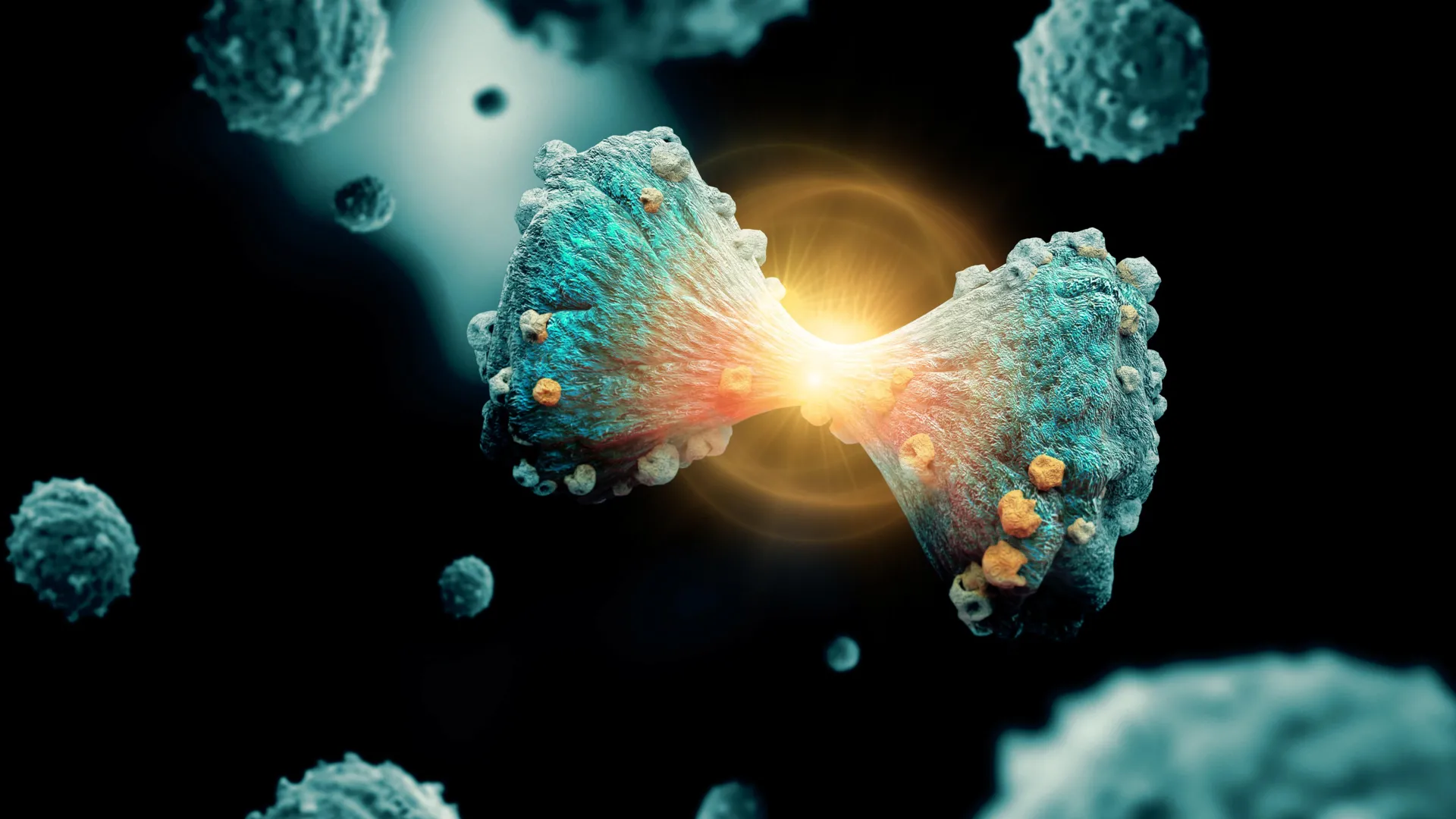
Scientists have achieved a profound breakthrough in understanding pancreatic cancer, meticulously detailing how this aggressive disease dynamically alters its genetic makeup to evade treatments, metastasize throughout the body, and become more lethal. Through an unprecedented examination of nearly half a million individual cancer cells, researchers from NYU Langone Health and its Perlmutter Cancer Center have pinpointed specific genetic changes that not only drive the cancer’s relentless progression but also suggest novel strategies to combat one of the deadliest forms of cancer. This monumental study, published on October 13 in the prestigious journal Nature Genetics, offers the most granular view to date of pancreatic ductal adenocarcinoma (PDAC), providing critical insights into its complex biology.
Understanding a Formidable Foe: Pancreatic Ductal Adenocarcinoma (PDAC)
Pancreatic ductal adenocarcinoma stands as one of the most devastating human malignancies, characterized by its aggressive nature, late diagnosis, and dismal prognosis. It accounts for approximately 90% of all pancreatic cancers. Globally, pancreatic cancer is the seventh leading cause of cancer-related death, and in developed nations like the United States, it is projected to become the second leading cause of cancer mortality by 2030, surpassing colorectal and breast cancers. The statistics paint a grim picture: nearly 85 percent of patients diagnosed with PDAC die within five years, and the overall five-year survival rate remains stubbornly low, hovering around 12% in the U.S.
The formidable challenge of PDAC stems from several intertwined factors. It typically presents with non-specific symptoms, leading to diagnosis at advanced, often metastatic, stages. Once diagnosed, treatment options are severely limited. Surgical resection, the only potentially curative treatment, is feasible for only 15-20% of patients. Furthermore, pancreatic tumors are notoriously resistant to conventional chemotherapies and radiation, partly due to a dense, fibrous microenvironment—known as the desmoplastic stroma—that acts as a physical barrier, impairing drug delivery and fostering tumor growth. Even cutting-edge immunotherapies, which have revolutionized the treatment of other cancers, have largely failed to make a significant impact on PDAC. This background underscores the urgent need for a deeper understanding of the disease’s fundamental mechanisms to develop more effective interventions.
The Paradigm Shift: Single-Cell Resolution Unlocks Tumor Secrets
For decades, cancer research primarily relied on analyzing bulk tumor samples, which provided an average genetic and molecular profile across millions of cells. While informative, this approach obscured the critical heterogeneity within a tumor, treating it as a monolithic entity rather than a complex ecosystem of diverse cell populations. Much like studying a forest by analyzing a handful of soil samples rather than observing individual trees and their interactions, bulk sequencing often missed the subtle, yet crucial, variations that drive cancer evolution and drug resistance.
The recent study by NYU Langone Health scientists represents a paradigm shift, leveraging advanced single-cell sequencing technologies, specifically single-cell transcriptomics. This innovative methodology allowed researchers to examine the gene activity of 443,451 individual cells harvested from 62 tumors belonging to 56 men and women diagnosed with PDAC. This unprecedented scale and resolution provided a "granular view" that traditional methods could not achieve. By analyzing each cell individually, the team gained a clearer understanding of how different populations of cancer cells, known as clones, possess distinct genetic characteristics and adapt their DNA as the disease progresses. Six of the patients also provided tumor samples both before and after chemotherapy, offering a rare opportunity to observe treatment-induced genetic changes firsthand.
Unmasking Pancreatic Cancer’s Evasive Strategies: Genetic Reshaping
The study’s most striking revelation is the dynamic and continuous genetic reshaping that occurs within pancreatic tumors. Researchers discovered that individual tumors are not uniform but rather contain a variety of distinct cell populations, or clones. Each clone, while originating from the same primary tumor, consists of cancer cells with similar genetic characteristics but can exhibit dramatically different behaviors. This inherent "clonal diversity" is a key driver of the cancer’s aggression and its ability to elude therapeutic efforts.
Crucially, the team found that pancreatic cancer cells are not fixed in their identity. Previous studies had broadly categorized pancreatic cancer cells into two main states: "classical" (generally less aggressive) and "basal" (typically more aggressive). However, how cells transitioned between these states remained largely a mystery due to the limitations of bulk analysis. The latest single-cell findings illuminate this process, demonstrating that genetic changes occurring within individual tumors enable cancer cells to dynamically shift between these two states. This "genetic plasticity" allows the cancer to adapt rapidly, developing changes that help some clones withstand treatments, while others become better equipped to invade surrounding tissues and spread to distant organs, a process known as metastasis.
"Our study provides the most granular view to date of pancreatic ductal adenocarcinoma, revealing how ongoing genetic reshaping drives tumor evolution over the course of disease," stated Dr. Despoina Kalfakakou, the study’s lead investigator and a postdoctoral research fellow at NYU Grossman School of Medicine and Perlmutter Cancer Center. "These findings suggest that targeting the mechanisms underlying tumor evolution may help restrain the cancer’s rapid progression." This underscores the idea that PDAC is not a static target but a constantly evolving entity, demanding therapeutic strategies that account for its dynamic nature.
A Promising New Target: The MYC Oncogene
Among the several genetic changes identified as pivotal to pancreatic cancer progression, one particular finding involved the MYC gene. MYC is a well-known oncogene, a gene that has the potential to cause cancer, and its dysregulation is implicated in many human cancers. In this study, MYC showed heightened activity in some of the most aggressive basal-like cancer cell populations, confirming its role in driving the disease’s more dangerous manifestations.
In a remarkable series of additional laboratory experiments, the researchers specifically blocked MYC activity in these aggressive basal pancreatic cancer cells. The results were profoundly encouraging: the cells did not simply stop growing, but remarkably, they shifted back toward the less aggressive classical state. This reversion also made the cancer cells more exposed to immune cells, suggesting they could become easier for the immune system to recognize and attack. This discovery is particularly significant because it suggests a potential therapeutic vulnerability. If MYC activity can be modulated in patients, it might be possible to "de-aggress" the cancer, making it more manageable and potentially responsive to existing or new treatments. While further research is needed, these results strongly point to MYC as a promising target for future pancreatic cancer treatments.
Cracking the Code of Immunotherapy Resistance: TIGIT and PD1
The investigation also provided crucial insights into one of the most frustrating aspects of PDAC treatment: its notorious ability to evade the immune system, leading to poor responses to immunotherapy. Immunotherapy, particularly immune checkpoint inhibitors targeting proteins like PD-1 or CTLA-4, has transformed the landscape for many cancers, but its efficacy in PDAC has been severely limited.
The NYU Langone team discovered that certain cancer cell clones exhibited increased activity of the TIGIT gene. TIGIT (T-cell immunoreceptor with Ig and ITIM domains) is an immune checkpoint protein that, when activated, suppresses the anti-tumor activity of T-cells, effectively allowing tumors to escape immune detection. Simultaneously, these same aggressive clones showed reduced activity of the PD1 gene. PD1 (Programmed Death-1) is another well-known immune checkpoint targeted by some of the most successful immunotherapies. This specific combination—high TIGIT activity coupled with low PD1 activity—may be a critical explanation for why immunotherapies designed to target PD1 have shown such limited effectiveness against pancreatic cancer.
Understanding these intricate differences between cancer cell populations offers a roadmap for developing more effective immunotherapeutic strategies. It suggests that a one-size-fits-all approach to immunotherapy is insufficient for PDAC. Instead, scientists might need to develop treatments that specifically interfere with TIGIT or explore combination therapies that target multiple immune checkpoints tailored to the specific mechanisms tumors use to avoid immune attack.
"Our research also suggests that single-cell clonal analysis offers a better approach to understanding complex cancers, like pancreatic ductal adenocarcinoma, as it develops over time, by mapping how tumors evolve and adapt at each stage of disease progression," commented Dr. Aristotelis Tsirigos, a co-senior investigator for the study and a professor in the Departments of Medicine and Pathology at NYU Grossman School of Medicine. "More broadly, our study results highlight the critical role of clonal diversity, genetic plasticity, and interactions with the tumor’s microenvironment in shaping human pancreatic ductal adenocarcinoma biology."
Charting the Course Ahead: Clinical Implications and Future Directions
The findings from this landmark study carry significant implications for the future of pancreatic cancer diagnosis and treatment. The identification of MYC and TIGIT as key drivers of aggressiveness and immune evasion opens new avenues for drug development and precision oncology. The journey from laboratory discovery to clinical application is often long and complex, but the insights gained here provide clear targets.
According to Dr. Tsirigos, clinical trials investigating drugs that inhibit MYC or TIGIT are already underway for various cancers, including pancreatic ductal carcinoma. This means that therapeutic agents targeting these pathways already exist or are in advanced stages of development, potentially accelerating their availability for PDAC patients. The challenge will be to specifically target the most aggressive clones within a patient’s tumor and overcome the inherent heterogeneity that allows other clones to thrive.
The study underscores the urgent need for larger clinical studies that not only examine the different genetic states cancer cells can adopt but also explore how treatments might be tailored to target these specific states. This could lead to a new era of personalized medicine for PDAC, where a patient’s tumor is genetically profiled at a single-cell level to identify its dominant aggressive clones and the specific mechanisms they employ for resistance and metastasis. Based on this profile, a bespoke treatment plan could be devised, potentially involving MYC inhibitors, TIGIT blockers, or novel combination therapies that address the tumor’s unique evolutionary trajectory.
While the prospect of new treatments is exciting, challenges remain. The dynamic nature of PDAC means that even if one clone is successfully targeted, another might evolve to take its place. Continuous monitoring and adaptive treatment strategies will likely be essential. Furthermore, overcoming the tumor’s dense microenvironment to effectively deliver targeted drugs remains a significant hurdle. Nevertheless, this research provides an invaluable foundation for moving forward, offering hope where little existed before.
Methodology in Depth: Peering into the Cellular Landscape
The meticulous investigation that led to these breakthroughs involved a sophisticated scientific approach. To unravel how pancreatic cancer changes over time, the scientists employed single-cell transcriptomics, a technique that measures gene activity (RNA expression) in individual cells. This allowed them to capture the unique molecular fingerprint of each cell rather than averaging signals across mixed populations.
The study cohort comprised 56 men and women diagnosed with pancreatic ductal adenocarcinoma, from whom 62 tumor samples were collected. The sheer volume of data—443,451 individual cells analyzed—speaks to the scale of this effort. A particularly insightful aspect of the study design was the inclusion of tumor samples from six patients both before and after chemotherapy. This unique longitudinal data allowed researchers to observe the genetic and phenotypic shifts that occurred in response to treatment, providing critical clues about how cancer cells adapt to therapeutic pressures.
By tracing the genetic origins of the identified clones and comparing patterns of gene activity, the researchers were able to connect differences in DNA copy numbers—variations in the number of copies of specific genes—with the types of cells present in each tumor. This comprehensive approach allowed them to pinpoint which genes, including MYC and TIGIT, were particularly active at different points during cancer progression and in different cellular states. The results consistently showed that individual tumors harbored approximately two to eleven distinct clones, consisting of varying combinations of classical and basal cancer cells, further emphasizing the profound heterogeneity within each patient’s tumor.
Funding and Collaboration: A Global Effort
This monumental research was made possible through significant financial support from the Sky Foundation and National Institutes of Health grants P30CA016087 and R01CA245005, highlighting the critical role of sustained funding in driving scientific discovery.
The collaborative nature of modern scientific research was also evident in this study, bringing together a multidisciplinary team of experts. In addition to Dr. Kalfakakou and Dr. Tsirigos, the core NYU Langone research team included Daniel Cameron, Emily Kawaler, Ziaohong Jing, Cristina H. Hajdu, Dylan Tamayo, Yoona Shim, Amanda Ackermann, Daniel Weissinger, Rosmel Hernandez, Matthew Beier, Dacia Dimartino, Peter Meyn, Kalina Rice, Shanmugapriya Selvaraj, Cynthia A. Loomis, Adriana Heguy, Amanda W. Lund, and Igor Dolgalev.
Further significant contributions came from co-investigators at other leading institutions, including Motoyuki Tsuda, Hayley Zimny, and Rosalie Sears from Oregon Health and Science University. Researchers from the University of California San Diego, including Lidong Wang, Qi Su, Sungsik Kim, Hannah Carter, Theodore Welling, and co-senior study investigator Diane Simeone, also played pivotal roles. This broad collaboration across multiple centers underscores the complex, resource-intensive nature of cutting-edge cancer research and the collective effort required to tackle diseases as challenging as pancreatic cancer.
In conclusion, this groundbreaking study from NYU Langone Health represents a significant leap forward in understanding pancreatic cancer. By unraveling the dynamic genetic evolution of PDAC at an unprecedented resolution, researchers have not only clarified how this deadly disease becomes aggressive, spreads, and resists treatment but have also identified promising new therapeutic targets. These findings lay a robust foundation for developing more effective, personalized treatments, offering a much-needed beacon of hope in the ongoing fight against one of oncology’s most formidable adversaries.
