
 By admin
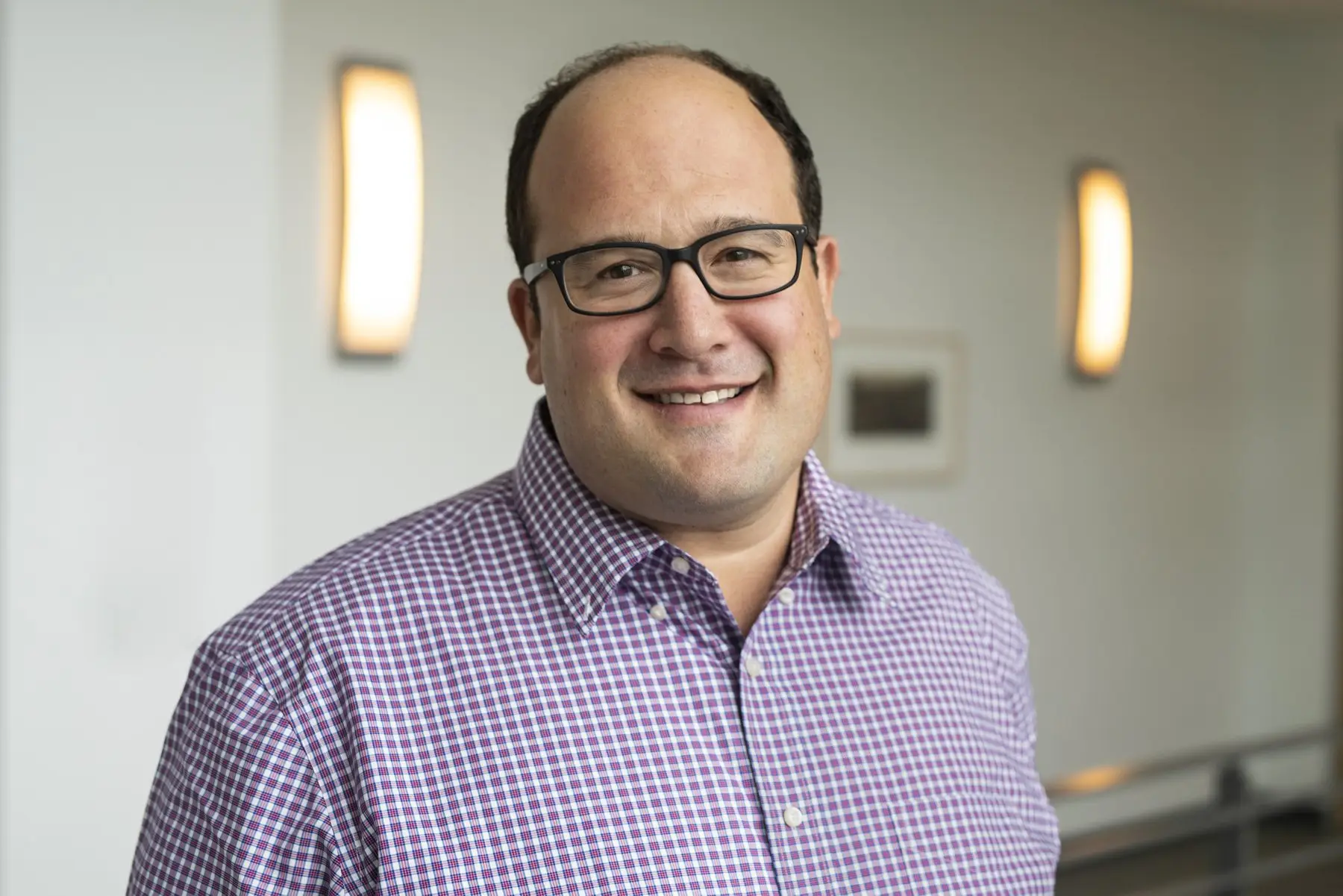
CureSearch for Children’s Cancer has officially announced the selection of Dr. Robbie Majzner, a distinguished researcher at the Dana-Farber Cancer Institute, as the recipient of the 2026 CureSearch Catapult Award. This prestigious $2 million investment, co-funded in partnership with the Jeff Gordon Children’s Foundation, is earmarked to launch a Phase I clinical trial for a next-generation Chimeric Antigen Receptor (CAR) T-cell therapy. The trial specifically targets children and young adults suffering from relapsed or refractory neuroblastoma, a patient population that has historically faced limited therapeutic options and a grim prognosis.
The Catapult Award represents a strategic effort to address the "valley of death" in medical research—the precarious gap between laboratory discovery and clinical implementation. By providing substantial financial backing at this juncture, CureSearch aims to accelerate the transition of high-potential pediatric cancer treatments from the bench to the bedside. This latest initiative underscores a commitment to finding solutions for high-risk cancers that have not seen significant survival improvements through traditional modalities like chemotherapy and radiation.
The Clinical Challenge: Neuroblastoma and the Survival Gap
Neuroblastoma is a cancer of the sympathetic nervous system, most commonly arising in the adrenal glands, though it can develop in nerve tissues throughout the abdomen, chest, or neck. It holds the somber distinction of being the most common extracranial solid tumor in childhood, accounting for roughly 7% to 10% of all pediatric cancer diagnoses. More significantly, it is responsible for a disproportionate 10% of all pediatric oncology deaths.
Despite intensive multi-modal treatment regimens—which often include high-dose chemotherapy, surgical resection, radiation, and autologous stem cell transplants—the outcomes for high-risk neuroblastoma remain stagnant. Data suggests that the five-year survival rate for high-risk cases continues to hover below 50%. For those who do survive, the toxicity of current "gold standard" treatments often leads to lifelong complications, including hearing loss, cardiac issues, and secondary malignancies.
The primary hurdle in treating neuroblastoma lies in its tendency to relapse. When the disease returns after initial treatment, it is often refractory, meaning it no longer responds to standard therapies. This necessitates the development of novel biological approaches that can specifically target cancer cells while sparing healthy tissue, a goal that immunotherapy, and specifically CAR T-cell therapy, aims to achieve.
The Evolution of CAR T-Cell Therapy for Solid Tumors
CAR T-cell therapy has already revolutionized the treatment landscape for hematologic malignancies, such as certain types of leukemia and lymphoma. By extracting a patient’s T cells and genetically engineering them to express receptors that recognize specific proteins on the surface of cancer cells, scientists have been able to achieve long-term remission in patients who were previously considered terminal.
However, replicating this success in solid tumors, such as neuroblastoma, has proven exceptionally difficult. Solid tumors present a hostile microenvironment that can suppress the immune response. Furthermore, unlike liquid cancers where the target cells are easily accessible in the bloodstream, solid tumors require the engineered T cells to infiltrate dense tissue and remain active long enough to eradicate the tumor mass.
A major limiting factor in previous neuroblastoma CAR T-cell trials has been "T-cell exhaustion." This phenomenon occurs when the engineered cells, after initial contact with the tumor, become overstimulated and lose their ability to divide or kill cancer cells. Overcoming this exhaustion is the focal point of Dr. Majzner’s upcoming clinical trial.
Technical Innovation: The ZAP70 Signaling Protein
Dr. Robbie Majzner’s research focuses on a specific molecule found on the surface of neuroblastoma cells known as GD2. While GD2-targeted therapies already exist—most notably the monoclonal antibody dinutuximab—they often fall short in patients with significant disease burdens.
The innovation funded by the Catapult Award involves a complete redesign of the CAR architecture. Traditional CAR T cells utilize signaling domains that can lead to rapid burnout. Dr. Majzner’s team has incorporated a novel signaling protein called ZAP70 (Zeta-chain-associated protein kinase 70). In preclinical models, this modification has demonstrated a remarkable ability to keep T cells active for longer periods.
By integrating ZAP70, the "next-generation" CAR T cells are designed to resist exhaustion and maintain a sustained attack against GD2-expressing cells. Preliminary data from laboratory studies indicate that these redesigned cells possess stronger anti-tumor activity and improved persistence compared to traditional GD2-targeted CAR T cells. Additionally, the new architecture has shown signs of a potentially safer profile, which is a critical consideration in pediatric populations where treatment-related toxicity is a major concern.
The Strategic Role of the Catapult Award
The 2026 CureSearch Catapult Award is not merely a grant but a targeted investment in the future of pediatric oncology. The selection process for this award is rigorous, focusing on projects that have already demonstrated strong preclinical success and are poised for human trials.
"The Catapult Award is vital to our mission; it gives us the momentum to catapult this science out of the lab and directly to the forefront of patient care," said Dr. Majzner. He emphasized that current GD2 CAR T cells are primarily effective only in patients with low disease volumes. His new approach aims to break through these limitations, offering a lifeline to children with more advanced or resistant forms of the disease.
The partnership with the Jeff Gordon Children’s Foundation further amplifies the impact of this award. By pooling resources, these organizations can provide the significant capital required to meet the high costs of Phase I clinical trials, which include manufacturing the personalized cell therapies, monitoring patient safety, and conducting complex laboratory analyses to track the therapy’s efficacy.
Chronology and Trial Implementation
The timeline for the Phase I trial is expected to follow a structured path of enrollment and evaluation starting in the 2026 fiscal cycle. The trial will be conducted at the Dana-Farber Cancer Institute, a leader in pediatric cancer research and treatment.
- Patient Recruitment: The trial will focus on a small cohort of children and young adults with relapsed or refractory neuroblastoma who have exhausted standard treatment options.
- Safety Assessment: As a Phase I study, the primary objective will be to determine the safety and the maximum tolerated dose of the ZAP70-modified CAR T cells.
- Persistence Monitoring: Researchers will use advanced genomic and cellular tracking to determine how long the engineered T cells survive in the patient’s body and whether they successfully infiltrate tumor sites.
- Efficacy Analysis: While safety is the priority, the team will closely monitor tumor shrinkage and biomarkers of immune activity to gauge the therapy’s potential.
This trial represents the culmination of years of foundational research and is expected to provide critical data that will inform larger, Phase II and III trials in the future.
Institutional Perspectives and Broader Impact
The leadership at CureSearch views this project as a cornerstone of their research portfolio. Dr. Paisley Myers, Senior Director of Research & Programs at CureSearch, highlighted the organization’s role in bridging the gap between discovery and delivery. "One of the greatest challenges in pediatric cancer research is ensuring that promising discoveries reach children," Dr. Myers stated. "Dr. Majzner’s work exemplifies the bold, high-potential research we were created to support."
The implications of this trial extend beyond neuroblastoma. GD2 is also expressed in other pediatric and adult malignancies, including osteosarcoma, melanoma, and certain types of brain tumors (such as H3K27M-mutant diffuse intrinsic pontine glioma, or DIPG). If Dr. Majzner’s ZAP70 architecture proves successful in neuroblastoma, it could serve as a blueprint for treating a wide array of other "cold" solid tumors that have previously resisted immunotherapy.
Furthermore, the success of this trial would provide a significant boost to the field of pediatric CAR T-cell therapy, which often lags behind adult oncology in terms of funding and technological adoption. By proving that next-generation signaling can overcome the barriers of the solid tumor microenvironment, this research could catalyze a new wave of innovation in how childhood cancers are managed.
Conclusion: A New Era for Pediatric Immunotherapy
The investment in Dr. Majzner’s Phase I trial marks a pivotal moment for the pediatric oncology community. As traditional treatments reach the limits of their efficacy, the focus has shifted toward the body’s own immune system as the next frontier in the fight against cancer.
By identifying and funding high-potential research at critical development milestones, CureSearch and the Jeff Gordon Children’s Foundation are working to ensure that the most promising scientific advancements do not languish in laboratory settings. For the families of children with high-risk neuroblastoma, the 2026 Catapult Award offers more than just scientific progress; it offers the tangible hope of a future where a diagnosis of relapsed neuroblastoma is no longer a terminal sentence, but a treatable condition.
As the clinical trial moves forward, the medical community will be watching closely. The results could redefine the standard of care for solid tumors and pave the way for a more effective, less toxic era of cancer treatment for the most vulnerable patients. Through the support of the community and strategic philanthropic investment, the transition from laboratory discovery to life-saving clinical application is becoming a reality.
