
 By admin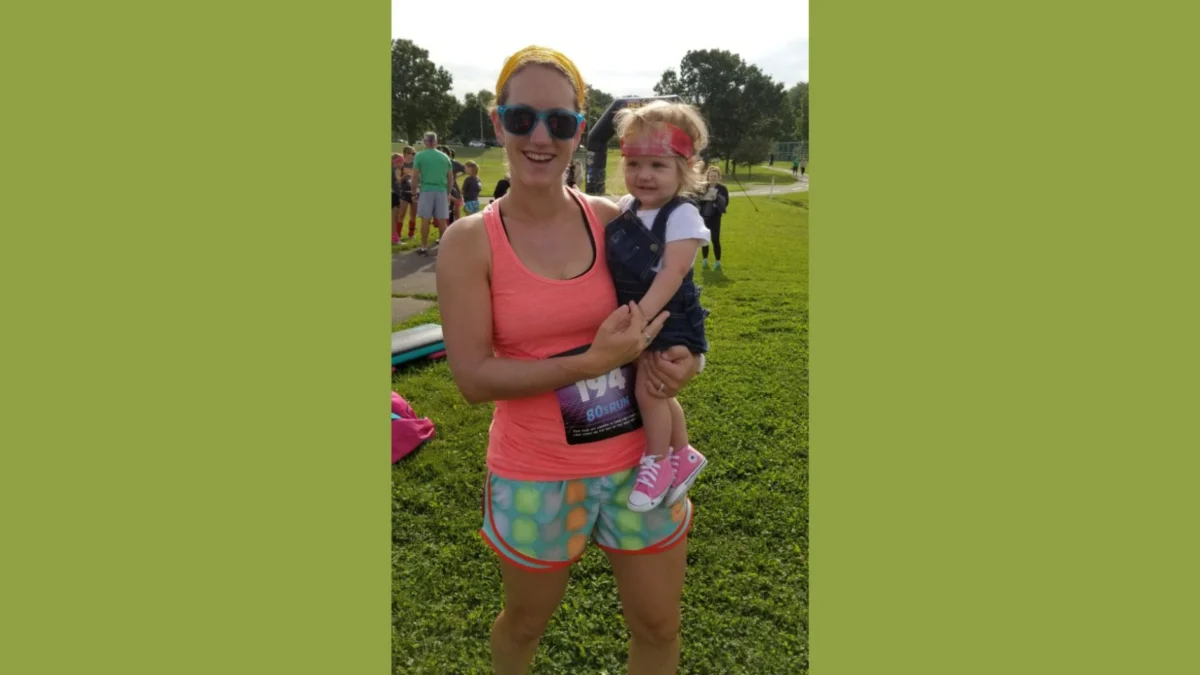
Grandma’s Marathon in Duluth, Minnesota, has long been recognized as one of the premier long-distance running events in the United States, drawing thousands of athletes to the scenic North Shore of Lake Superior every June. While many participants compete for personal bests or Boston Marathon qualifying times, a dedicated group of runners known as Team CCRF is lacing up for a mission that extends far beyond the finish line in Canal Park. Representing the Children’s Cancer Research Fund (CCRF), these athletes are transforming a grueling 26.2-mile physical challenge into a platform for raising awareness and critical funding for pediatric oncology. This year, the stories of two specific runners—Tim Lapping and Tami Swenson—highlight the intersection of personal tragedy, professional expertise, and the collective hope for a future without childhood cancer.
The Significance of Grandma’s Marathon and Team CCRF
Grandma’s Marathon, first held in 1977, has grown from a local race with 150 participants to a world-class event that injects millions of dollars into the regional economy. The point-to-point course, which begins in Two Harbors and winds along Highway 61 toward Duluth, is celebrated for its cool lakeside temperatures and rolling terrain. However, for those running with Team CCRF, the beauty of the North Shore serves as a backdrop for a much more somber and urgent reality: cancer remains the leading cause of death by disease for children in the United States.
The Children’s Cancer Research Fund utilizes endurance events like Grandma’s Marathon to bridge a significant funding gap in the medical community. While the National Cancer Institute (NCI) allocates substantial resources to cancer research, only about 4% of federal funding is directed toward pediatric-specific studies. This disparity necessitates private fundraising efforts to support the development of less toxic treatments and more effective protocols for rare childhood malignancies. Team CCRF provides a structured way for individuals to fundraise, offering "charity bibs" in exchange for a commitment to meet specific donation goals.
Tim Lapping: A Professional and Personal Connection to the Cause
For Tim Lapping, a clinical research professional based in Kansas City, the decision to participate in Grandma’s Marathon was driven by both his career and his family history. Lapping has spent more than a decade working within the clinical research sector, including a significant tenure at a local children’s hospital where he oversaw oncology studies. His professional background provided him with a unique vantage point on the mechanics of medical progress; he understood that every breakthrough in the lab requires years of rigorous testing and substantial financial backing.
However, Lapping’s clinical perspective was soon overshadowed by a personal crisis when his four-year-old nephew was diagnosed with leukemia. The diagnosis brought the abstract nature of his work into sharp, painful focus. "He’s been cancer-free for about two years now, and I know that wouldn’t have been possible without years and years of research," Lapping stated. His nephew’s recovery is a testament to the advancements made in pediatric hematology, where survival rates for certain types of leukemia have risen from less than 20% in the 1960s to over 90% today.
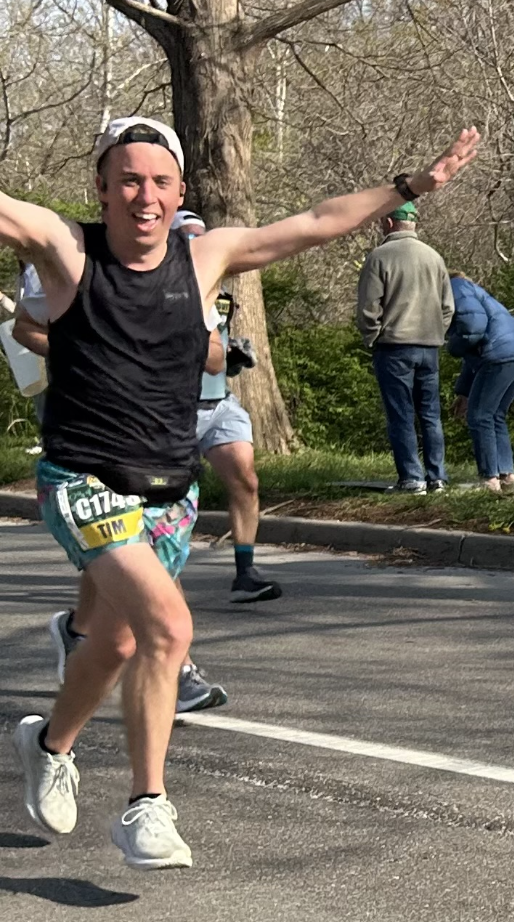
Lapping is now preparing for his first-ever marathon, choosing the Duluth event due to its reputation for community support and scenic vistas. His training regimen involves a disciplined four-day-a-week schedule, a commitment he balances with his professional life and his roles as a husband to Sophie and father to his two sons, Freddie and Beau. For Lapping, the fundraising aspect of the race is what sustains his motivation during the long, solitary miles of training. He views the physical challenge as a secondary objective, with the primary goal being the support of a "noble cause" that has directly impacted his family’s well-being.
Tami Swenson: Running Through Grief to Advocacy
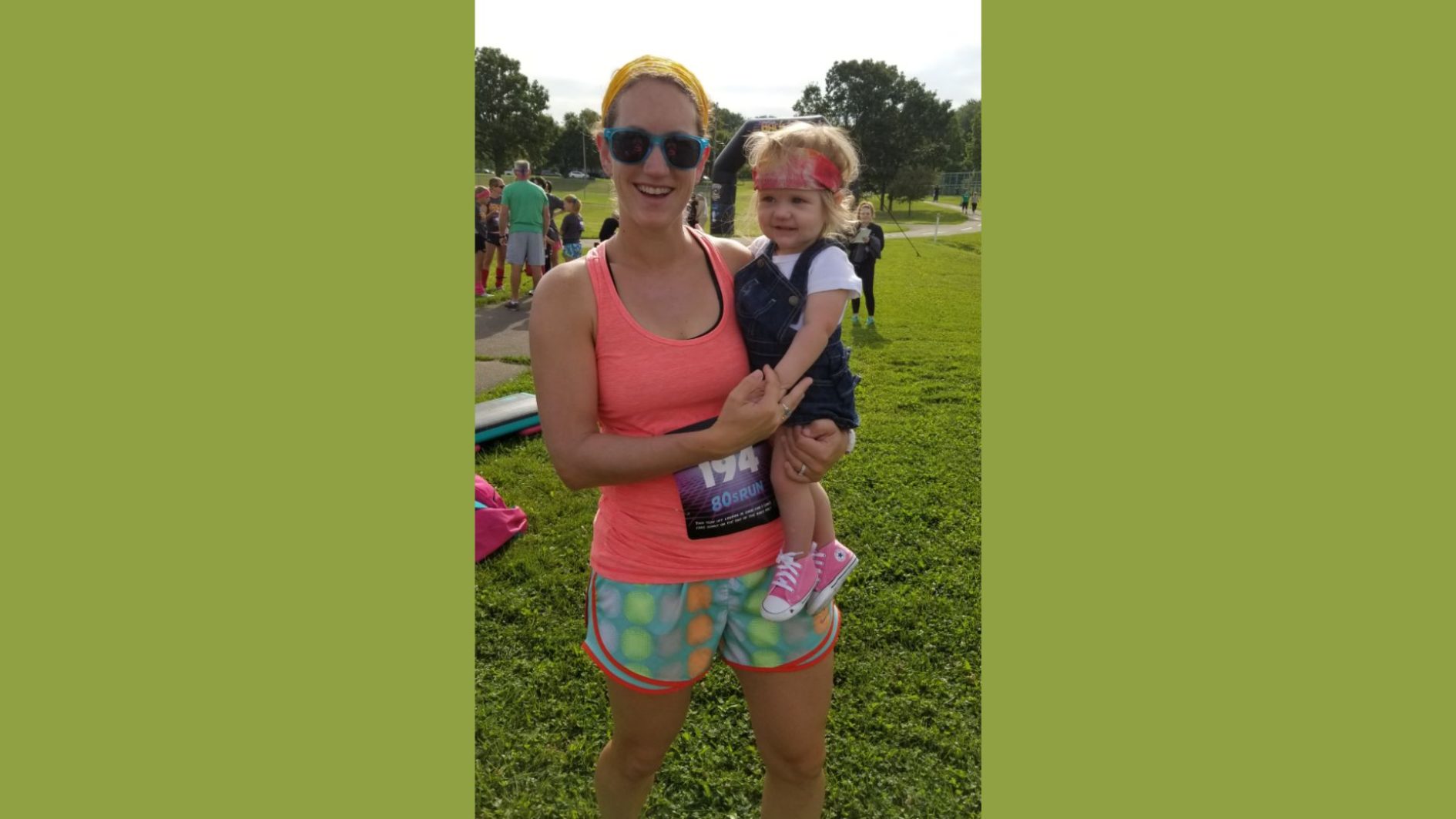
While Lapping celebrates a recovery, Tami Swenson runs in memory of a loss. Swenson, a resident of California and a veteran marathoner with more than 15 races under her belt, is traveling to Duluth to honor her daughter, Ada. In 2023, Ada passed away at the age of five after a 15-month battle with leukemia. Her treatment journey was exhaustive, encompassing chemotherapy, a bone marrow transplant, and participation in two separate clinical trials.
Throughout her illness, Ada became known for her resilience and her spirit, often seen riding her bike through hospital hallways and carrying "C.C. Bear," a plush toy provided by the Children’s Cancer Research Fund to comfort young patients. For Swenson, the decision to run Grandma’s Marathon as part of Team CCRF is a way to process her grief and ensure that other families might have different outcomes.
Swenson has long desired to experience the iconic Midwest race, and she noted that the mission behind her run is what carries her through the most difficult segments of her training. "When I’m having a tough time training, thinking about why I’m doing it gets me through the miles," she shared. Her participation underscores a common theme among Team CCRF runners: the use of physical endurance as a metaphor for the endurance required by children undergoing intensive cancer treatments.
The State of Pediatric Cancer Research and Funding
The stories of Lapping and Swenson are reflective of a broader national trend where private citizens take on the mantle of medical advocacy. According to data from the American Cancer Society, approximately 9,620 children in the U.S. under the age of 15 will be diagnosed with cancer in 2024. While survival rates have improved significantly over the last several decades, the long-term effects of current treatments—such as heart disease, secondary cancers, and cognitive impairments—remain a major concern.
Research funded by organizations like CCRF focuses on several key areas:
- Immunotherapy: Developing treatments that harness the body’s own immune system to fight cancer cells, which often results in fewer side effects than traditional chemotherapy.
- Precision Medicine: Utilizing genetic sequencing to tailor treatments to the specific molecular profile of a child’s tumor.
- Survivorship Programs: Studying the long-term health outcomes of childhood cancer survivors to improve their quality of life in adulthood.
The financial burden of these studies is immense. A single Phase I clinical trial can cost millions of dollars, and because pediatric cancers are considered "rare" compared to adult cancers, pharmaceutical companies often have less financial incentive to invest in pediatric drug development. This makes the funds raised by marathon runners essential for keeping the pipeline of new treatments open.
Event Chronology and Community Impact
The Grandma’s Marathon weekend is a multi-day event that begins with a health and fitness expo at the Duluth Entertainment Convention Center (DECC). On the Friday preceding the main event, the Whipper Snapper Races for children and the William A. Irvin 5K take place, fostering a family-oriented atmosphere.
On Saturday morning, the marathon begins in Two Harbors. Runners are transported by bus and train to the starting line, where they begin the journey down Scenic Highway 61. For Team CCRF participants, the race is the culmination of months of fundraising and physical preparation. Along the course, spectators often hold signs and cheer for specific charity runners, creating an emotional environment that reinforces the runners’ mission.
The impact of this event on Duluth is substantial. The marathon typically generates over $20 million in economic activity for the region. However, the social impact—specifically the money raised for childhood cancer—has a global reach, as the research funded by CCRF is often conducted at leading institutions such as the University of Minnesota Masonic Children’s Hospital, with findings shared internationally.
Analysis of the Broader Implications
The participation of runners like Lapping and Swenson in Grandma’s Marathon highlights a growing shift in the endurance sports world toward "cause-driven" athletics. In recent years, major marathons in Boston, New York, and Chicago have seen a surge in charity-bound entries. For organizations like CCRF, these partnerships provide a consistent and predictable stream of revenue that is less susceptible to the fluctuations of corporate sponsorships.
Furthermore, these personal narratives serve as a powerful tool for public education. When a runner like Lapping explains the necessity of clinical trials or Swenson shares the reality of pediatric palliative care, they humanize the statistics that often feel distant to the general public. This grassroots advocacy is instrumental in keeping pediatric cancer research on the national agenda.
As the race date approaches, both Lapping and Swenson represent the dual nature of the fight against childhood cancer: the celebration of those who have survived and the solemn remembrance of those who have been lost. Their presence on the North Shore this June serves as a reminder that while 26.2 miles is a significant distance, the journey toward a cure for childhood cancer is a much longer marathon—one that requires the collective effort of researchers, donors, and runners alike.
For those interested in supporting the mission or participating in future events, Team CCRF continues to offer opportunities for athletes of all levels to contribute to lifesaving research. As the organization often reminds its supporters, the finish line of a race is just the beginning of the impact that can be made in the lives of children facing a cancer diagnosis.
