
 By admin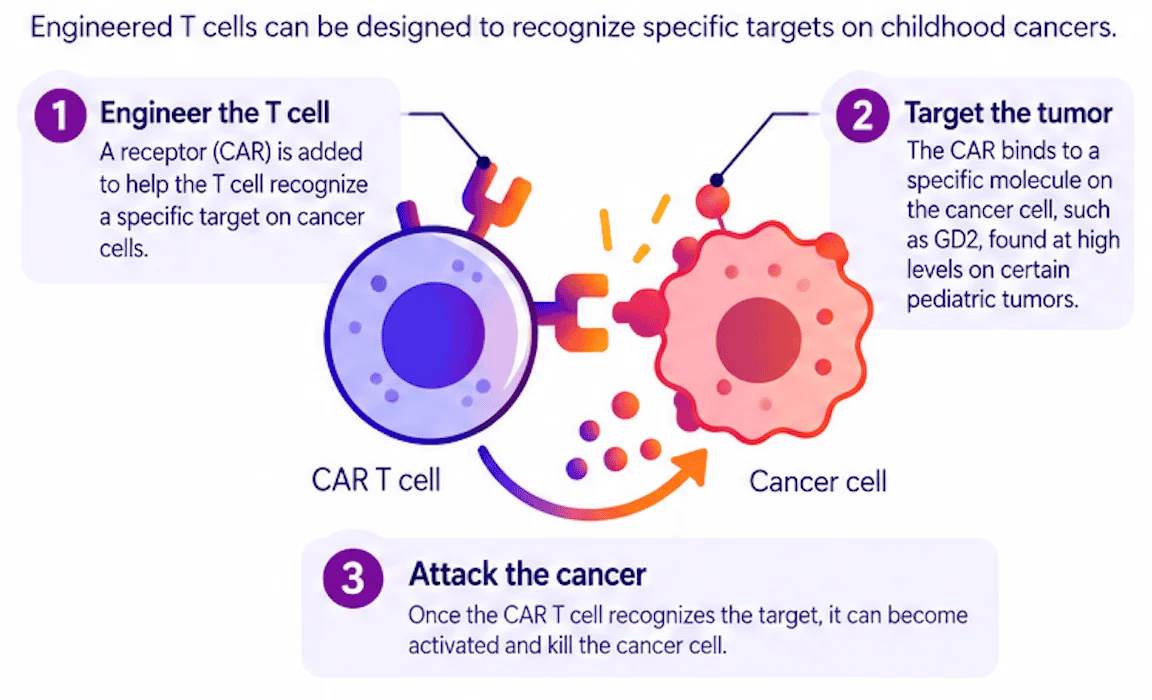
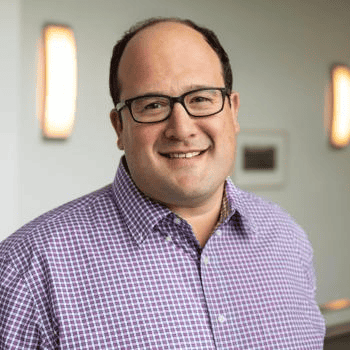
September marks Childhood Cancer Awareness Month, a crucial period dedicated to illuminating the persistent challenges and celebrating the remarkable progress made in treating pediatric malignancies. While advancements over the past several decades have dramatically improved survival rates for many children diagnosed with cancer, a significant portion of these diseases remains exceptionally difficult to conquer. Moreover, the intensive, often grueling, conventional therapies can leave young survivors with a lasting legacy of chronic health complications that persist for decades. Critically, the groundbreaking immunotherapies that have revolutionized adult cancer treatment frequently cannot be directly applied to pediatric patients, primarily because childhood cancers are not merely scaled-down versions of adult diseases; their underlying biology is fundamentally distinct. To delve deeper into these intricate differences and explore how innovative immunotherapeutic strategies are being tailored for younger patients, the Cancer Research Institute (CRI) recently engaged with Dr. Robbie Majzner, a distinguished pediatric oncologist, physician-scientist, and a recipient of the prestigious CRI Lloyd J. Old STAR award. Dr. Majzner’s pioneering research stands at the forefront of efforts to address some of the most formidable obstacles in pediatric oncology.
The Unique Landscape of Childhood Cancer: A Biological Imperative
Childhood cancer is not a monolithic entity but rather a complex umbrella term encompassing a diverse spectrum of diseases, including various leukemias, aggressive brain tumors like diffuse midline glioma, neuroblastoma, kidney tumors, sarcomas, and numerous other rare malignancies. Annually, approximately 16,000 children and adolescents under the age of 20 are diagnosed with cancer in the United States alone, according to the American Cancer Society. Globally, the World Health Organization (WHO) estimates over 400,000 children and adolescents develop cancer each year. While overall survival rates for childhood cancers have soared from less than 10% in the mid-20th century to over 80% today, this impressive statistic masks stark disparities. For certain high-risk cancers, such as diffuse intrinsic pontine glioma (DIPG), a form of diffuse midline glioma, the five-year survival rate remains tragically low, often less than 1%. These sobering statistics underscore the urgent need for novel, more effective, and less toxic treatment paradigms that consider the long-term well-being of survivors. Indeed, studies show that over 95% of childhood cancer survivors will experience at least one chronic health condition by the age of 45, and over 80% will suffer from a severe or life-threatening condition.
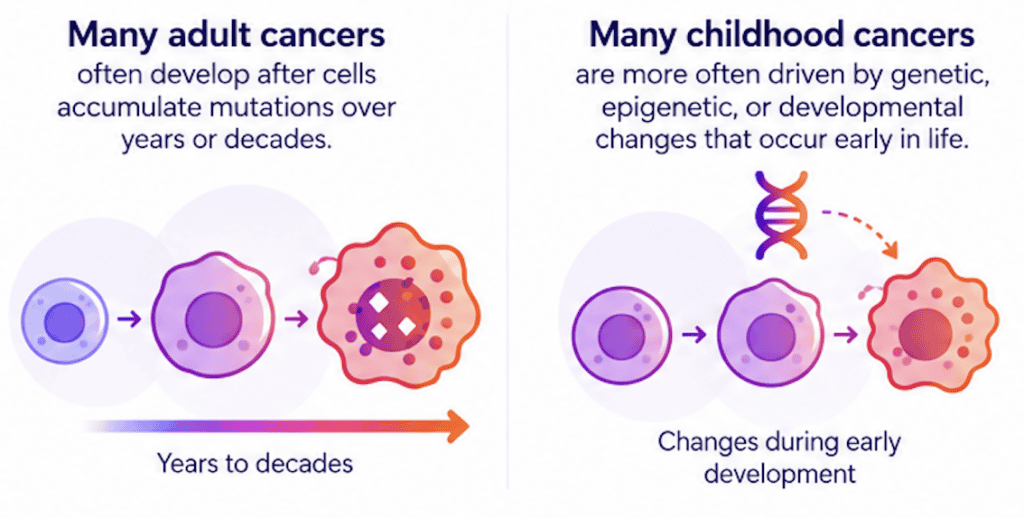
The core challenge lies in the distinctive biological genesis of pediatric cancers. Unlike many adult cancers, which typically arise from the accumulation of genetic mutations over years or decades due to environmental exposures or aging, childhood cancers often stem from genetic, epigenetic, or developmental aberrations that occur early in life. As Dr. Majzner eloquently explains, many pediatric cancers are "a product of aberrant development," where something goes awry during the intricate processes of cellular differentiation and tissue formation. This means that cells, instead of following their normal developmental pathways, become trapped in an immature state or acquire abnormal growth characteristics. This fundamental difference in origin implies that therapeutic strategies effective against adult cancers, which often target specific acquired mutations, may be less relevant or potent in a pediatric context.
Furthermore, the sheer diversity of childhood cancers presents unique obstacles for drug development. Many pediatric cancer types are rare, affecting only a small number of children each year. This rarity can make it challenging to conduct large-scale clinical trials, pool sufficient patient data, and attract significant pharmaceutical investment, thereby slowing the pace of therapeutic innovation. The heterogeneity within these broad categories – for instance, a specific type of leukemia can differ significantly from another – further complicates the design of universally effective treatments. This challenge is compounded by the ethical considerations inherent in pediatric clinical trials, which require careful balancing of potential benefits and risks for vulnerable young patients.
Immunotherapy’s Divergent Path in Pediatric Oncology
The advent of immunotherapy, particularly immune checkpoint inhibitors, has dramatically reshaped the treatment landscape for several adult cancers, offering unprecedented long-term remissions for patients with melanoma, lung cancer, and others. These therapies work by releasing the "brakes" on the immune system’s T cells, allowing them to mount a more robust attack against cancer. However, this "trickle-down" approach from adult to pediatric oncology has largely proven ineffective for many childhood cancers. Dr. Majzner emphasizes this critical distinction, stating, "It’s not a trickle-down approach that we can just take what works in adult oncology and use it in pediatrics. They have a fundamentally different immunobiology."
The primary reason for this divergence lies in the mutational landscape of pediatric tumors. Immune checkpoint inhibitors are most effective when the tumor has a high mutational burden, meaning it presents many abnormal proteins (neoantigens) that the immune system can recognize as foreign. Adult cancers, with their decades of accumulated mutations, often fit this profile. Childhood cancers, born from developmental errors rather than extensive mutagenic processes, typically have relatively few mutations. If the T cells are not strongly recognizing the tumor in the first place due to a lack of distinct neoantigens, simply removing immune checkpoints may not be sufficient to ignite an effective anti-tumor response.
Consequently, researchers in pediatric oncology are pivoting towards strategies that actively direct and engineer the immune system to target childhood cancers. One of the most promising avenues in this regard is Chimeric Antigen Receptor (CAR) T-cell therapy. This revolutionary approach involves genetically modifying a patient’s own T cells in a laboratory to express a synthetic receptor – the CAR – which is specifically designed to recognize and bind to a particular antigen found on the surface of cancer cells. Once infused back into the patient, these "living drugs" proliferate, seek out, and destroy cancer cells expressing the target antigen. Dr. Majzner aptly describes this strategy as creating a "synthetic immune response," essentially bypassing the tumor’s natural invisibility to the immune system and redirecting the potent killing power of T cells directly towards the malignant cells.
A Timeline of Progress and Pioneering Research in CAR T-Cell Therapy
The journey of CAR T-cell therapy in pediatric oncology represents a significant chapter in cancer research, evolving from a theoretical concept to a life-saving treatment.
- Early 1990s: The foundational scientific principles for engineering T cells with chimeric receptors begin to emerge from laboratories, driven by basic immunological discoveries. Researchers explore ways to re-direct T cell specificity.
- Mid-2000s: Initial clinical trials of CAR T cells for adult leukemias and lymphomas commence, demonstrating preliminary safety and efficacy, though significant challenges related to toxicity and manufacturing persist. These early trials were crucial for understanding the potential and pitfalls of this novel therapy.
- 2011: A pivotal moment occurs when a young patient named Emily Whitehead, diagnosed with relapsed acute lymphoblastic leukemia (ALL), becomes the first child to receive CAR T-cell therapy (specifically targeting the CD19 antigen). Her dramatic and sustained remission from what was an otherwise terminal diagnosis showcases the therapy’s unprecedented potential. This case ignited widespread enthusiasm and accelerated research in the field.
- 22nd August 2017: The U.S. Food and Drug Administration (FDA) grants accelerated approval to Kymriah (tisagenlecleucel), the first CAR T-cell therapy, specifically for pediatric and young adult patients with relapsed or refractory B-cell ALL. This landmark approval marked a paradigm shift in the treatment of this aggressive childhood leukemia, offering a lifeline where few options previously existed and establishing CAR T-cell therapy as a legitimate, albeit complex, therapeutic modality.
- Present Day: While CAR T-cell therapy has achieved remarkable success in certain blood cancers, extending its efficacy to solid tumors, which constitute the majority of childhood cancers, remains a significant challenge and a primary focus of current research. Solid tumors present unique barriers, including a suppressive tumor microenvironment, physical barriers to T-cell infiltration, and antigen heterogeneity, where not all cancer cells express the target antigen. This is where scientists like Dr. Majzner are making critical inroads.
Dr. Majzner’s laboratory at the Cancer Research Institute is at the forefront of this effort, meticulously investigating both components of the CAR T-cell puzzle: the engineered immune cell itself and the unique cancer targets it must recognize. His team meticulously studies the intricate signaling pathways within CAR T cells after they engage with cancer cells. This deep understanding allows them to design novel receptor architectures that can enhance the cells’ effectiveness, improve their persistence, and crucially, enable them to more precisely differentiate between cancerous and healthy tissues, thereby reducing off-target toxicities. Concurrently, his researchers are exploring potential target antigens on pediatric solid tumors, analyzing why these targets appear, and understanding the implications when only a subset of cancer cells express them, a phenomenon known as antigen escape or heterogeneity, which can lead to relapse.
A compelling example of Dr. Majzner’s impactful work involves the molecule GD2, a ganglioside found at elevated levels on the surface of several pediatric tumors, including neuroblastoma and, importantly, diffuse midline glioma (DMG). While at Stanford University, Dr. Majzner and his colleagues made a significant discovery, demonstrating that the specific biology of DMG, an aggressive and notoriously difficult-to-treat pediatric brain tumor, actively drives the expression of GD2. This fundamental insight provided a robust scientific rationale for investigating GD2-targeted CAR T cells as a therapeutic strategy for DMG patients. DMG, which includes DIPG, is a devastating cancer with a median survival of less than a year, and conventional treatments like radiation offer only temporary relief without a cure. The identification of GD2 as a target opened a critical new avenue for research.
Subsequent early-phase clinical research, building upon these discoveries, has shown encouraging signs of activity for GD2-targeted CAR T cells in DMG. These signs include documented long-term responses in a subset of patients and significant improvements in neurological symptoms for others, offering a glimmer of hope for a cancer with historically dismal outcomes. Dr. Majzner’s current research is directly leveraging these crucial lessons, striving to refine receptor designs and explore innovative ways to extend the benefits of cell therapy to a broader population of patients with various pediatric solid tumors. The goal is to develop therapies that are not only potent but also safer, more broadly applicable, and capable of overcoming the formidable challenges posed by solid tumor microenvironments.
The Power of Flexible Funding: Nurturing High-Risk, High-Reward Science
The pursuit of such transformative research, particularly in rare and complex diseases like childhood cancers, often necessitates an environment that fosters high-risk, high-reward ideas. This is precisely the philosophy behind programs like the CRI Lloyd J. Old STAR program, which provides flexible funding to exceptional physician-scientists like Dr. Majzner. This type of support is vital for exploring fundamental scientific questions and developing novel technologies, especially when the ultimate clinical application is not yet fully defined or when the patient population is small. Traditional grant mechanisms often favor projects with well-established preliminary data and predictable outcomes, which can inadvertently stifle truly innovative, paradigm-shifting research.
As Dr. Majzner explains, "If you just shut down all high-risk ideas, we will never get new technologies." His own research trajectory serves as a compelling illustration of this principle. The advanced CAR T-cell receptors his team is engineering today are built upon basic discoveries made decades ago by scientists who were simply studying the fundamental mechanisms of T-cell signaling, without any foreknowledge of how that knowledge might eventually be harnessed for revolutionary cancer therapies. Such foundational, curiosity-driven research, often deemed "high-risk" by conventional funding metrics, is the bedrock upon which future medical breakthroughs are built. It allows researchers to explore unconventional hypotheses and develop entirely new paradigms, rather than being confined to incremental advancements. This flexible funding allows investigators to pivot quickly, pursue unexpected findings, and tackle challenging questions that may not yield immediate, measurable results but are essential for long-term progress.
Broader Implications and Statements from Related Parties
The Cancer Research Institute, through its funding of researchers like Dr. Majzner, exemplifies a commitment to innovative science that can redefine cancer treatment. "Investing in pioneering research that explores the unique biology of pediatric cancers is not just an option, but a moral imperative," stated a representative from CRI, underscoring the organization’s strategic vision. "Dr. Majzner’s work highlights the critical need for tailored approaches and the power of flexible funding to accelerate breakthroughs for children who desperately need them." This sentiment is echoed by patient advocacy groups, such as the Coalition Against Childhood Cancer (CAC2) and Alex’s Lemonade Stand Foundation, which consistently champion the call for more research into less toxic and more effective treatments. They highlight the devastating long-term side effects of current therapies, which can include secondary cancers, organ damage, cognitive impairments, and infertility, profoundly impacting survivors’ quality of life. The drive for new immunotherapies is directly aligned with these patient-centric goals, aiming for cures that allow children to live full, healthy lives, minimizing the burden of treatment.
The implications of successful immunotherapy for pediatric solid tumors extend far beyond individual patient outcomes. It could establish new paradigms for treating other rare and challenging cancers, demonstrating the power of synthetic biology and precision medicine. It also underscores the importance of fostering collaboration between basic scientists, clinical researchers, and funding organizations to bridge the gap between fundamental discovery and clinical translation. Furthermore, the insights gained from studying the unique biology and immune responses in pediatric cancers could potentially inform adult cancer research, demonstrating the bidirectional flow of scientific knowledge.
The Horizon of Childhood Cancer Immunotherapy: A Future Focused on Healthy Lives
Looking ahead, Dr. Majzner expresses considerable excitement about the prospect of expanding the transformative power of cell therapy to a wider array of solid tumors. While challenges remain, the initial signs of activity observed in early clinical trials are providing crucial insights into how to amplify and sustain these responses. The goal is to move beyond isolated successes to more consistent and widespread efficacy, transforming the treatment landscape for historically untreatable pediatric solid tumors.
The field is also actively exploring innovative approaches to make cell therapy more accessible and less burdensome for patients. One particularly promising area is in vivo CAR T-cell therapy, which aims to generate CAR T cells directly within the patient’s body, eliminating the complex, time-consuming, and costly ex vivo manufacturing process. This could significantly reduce treatment time, cost, and logistical hurdles, potentially making these advanced therapies available to more children globally, especially in regions with limited advanced medical infrastructure. Beyond CAR T cells, other cutting-edge treatments are beginning to make their way into pediatric oncology, including bispecific antibody-based therapies, which can simultaneously bind to cancer cells and immune cells to facilitate targeted killing, and antibody-drug conjugates, which deliver highly potent chemotherapy directly to cancer cells via an antibody "delivery system." Oncolytic viruses, which selectively infect and destroy cancer cells while also stimulating an immune response, are also under investigation. These diverse modalities reflect a concerted effort to create a robust arsenal against childhood cancers.
Collectively, these diverse and innovative approaches reflect a fundamental shift in strategy: moving beyond simply adapting treatments developed for adults and instead, meticulously designing therapies around the unique biological characteristics of childhood cancers. Pediatric oncology has an inspiring track record of what sustained and dedicated research can achieve, transforming grim prognoses into hopeful futures for countless families. However, for the children whose cancers still defy conventional treatments, and for the courageous survivors who navigate decades with the lingering effects of intensive therapies, much work remains. The next chapter of childhood cancer research is not merely about increasing survival rates; it is about developing treatments that ensure children not only survive their disease but thrive afterward, granting them more healthy years and a higher quality of life. This ambitious vision requires continued investment, relentless scientific inquiry, and unwavering dedication to the youngest and most vulnerable patients, ensuring that the promise of immunotherapy translates into lasting well-being for all children facing cancer.
