
 By admin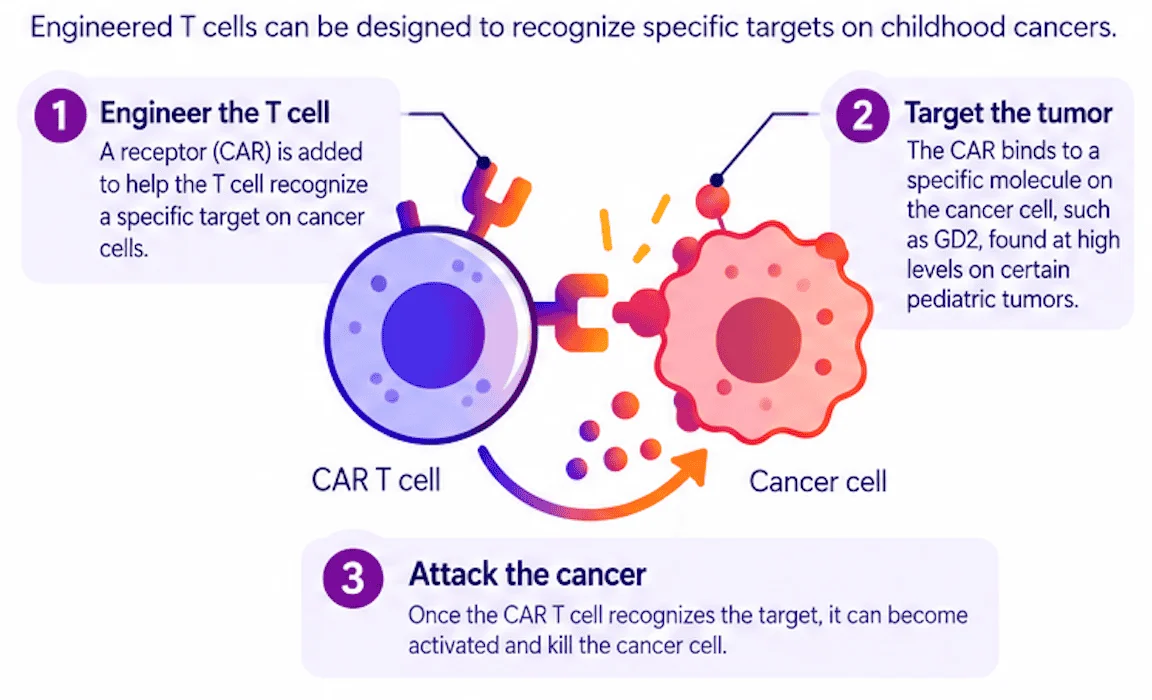
By Robbie Majzner, MD, Contributing Author
Despite remarkable strides in pediatric oncology over the past several decades, which have seen survival rates for childhood cancers dramatically improve, a significant portion of the story remains untold. While many children now survive their initial diagnosis, certain pediatric cancers continue to defy conventional treatments, posing formidable challenges for clinicians and researchers alike. Furthermore, the intensive, often aggressive therapies employed to achieve these survival gains frequently leave young patients with a legacy of debilitating long-term health complications that can persist for decades, profoundly impacting their quality of life. The notion that breakthroughs in adult cancer treatment can simply be scaled down and applied to children is a misconception rooted in a fundamental misunderstanding of pediatric oncology; childhood cancers are not merely miniaturized versions of adult malignancies but distinct diseases with unique biological underpinnings.
For Childhood Cancer Awareness Month, the Cancer Research Institute (CRI) recently highlighted the critical need for tailored approaches, engaging with Dr. Robbie Majzner, a distinguished pediatric oncologist, physician-scientist, and a CRI Lloyd J. Old STAR. Dr. Majzner’s groundbreaking research is dedicated to harnessing the power of immunotherapy to address some of the most pressing challenges in treating childhood cancers, paving the way for more effective and less toxic therapeutic strategies. His work underscores a pivotal shift in pediatric cancer research: moving beyond symptomatic treatment to fundamentally alter the disease course through targeted immune interventions.
The Evolving Landscape of Childhood Cancer Treatment
A Tale of Progress and Persistent Challenges
The journey of childhood cancer treatment is one of extraordinary progress, transforming what was once a near-certain death sentence into a condition with increasingly high survival rates for many types. In the 1970s, the overall survival rate for childhood cancer was around 50%; today, it stands at over 85% across all types. This remarkable improvement is largely attributable to advances in chemotherapy, radiation therapy, surgical techniques, and supportive care. However, these statistics, while encouraging, mask a complex reality. Certain aggressive cancers, such as diffuse intrinsic pontine glioma (DIPG), high-risk neuroblastoma, and some sarcomas, continue to have alarmingly low survival rates, often below 20-30%. These recalcitrant forms represent a critical frontier for research and innovation.
Moreover, the very treatments that save lives often extract a heavy toll. Pediatric cancer survivors face a significantly elevated risk of developing secondary cancers, cardiovascular disease, endocrine dysfunction, cognitive impairments, and infertility. Studies indicate that more than 95% of childhood cancer survivors will experience at least one chronic health condition by the time they reach 45, with many suffering from multiple severe or life-threatening issues. This underscores the urgent need for therapies that are not only effective but also minimize long-term toxicity, preserving the health and well-being of survivors for a lifetime.
Unraveling the Unique Biology of Pediatric Cancers
Beyond the Adult Paradigm
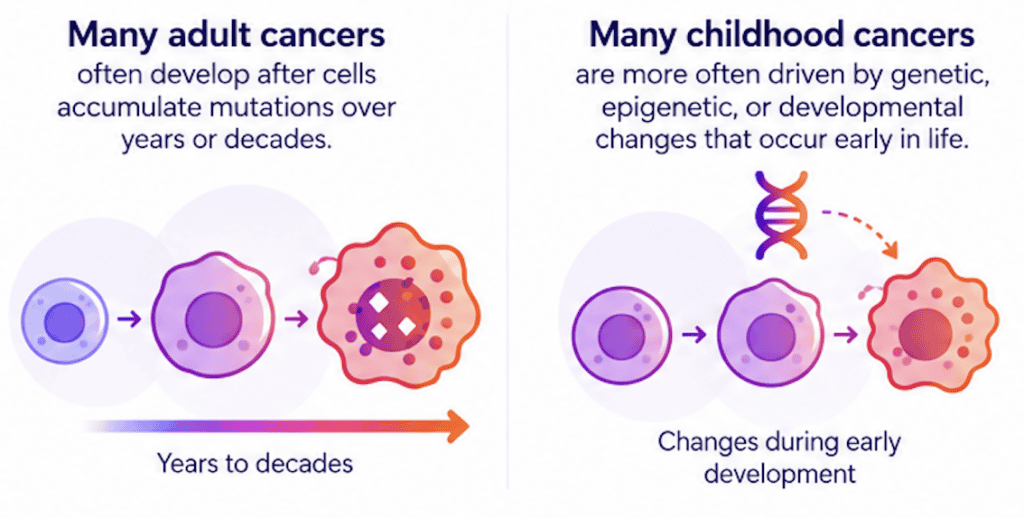
A cornerstone of Dr. Majzner’s perspective, and indeed the broader pediatric oncology community, is the recognition that childhood cancers are fundamentally distinct from adult cancers. Unlike many adult malignancies that typically arise from an accumulation of genetic mutations over decades of exposure to environmental factors and aging, pediatric cancers often originate from genetic, epigenetic, or developmental aberrations. As Dr. Majzner eloquently explains, many childhood cancers are essentially "a product of aberrant development"—a deviation from normal cellular maturation pathways where something goes awry during critical growth phases. This distinction is paramount, as it dictates entirely different therapeutic approaches.
The spectrum of childhood cancers is also incredibly diverse, encompassing a wide array of diseases, each with its own unique biological signature. This includes various forms of leukemias (such as acute lymphoblastic leukemia, ALL, and acute myeloid leukemia, AML), brain tumors (like medulloblastoma, ependymoma, and the aggressive diffuse midline glioma), neuroblastoma, kidney tumors (e.g., Wilms tumor), and a range of soft tissue and bone sarcomas (including osteosarcoma and Ewing sarcoma). Some of these cancers are exceedingly rare, affecting only a handful of children each year, which complicates the development and testing of new treatments due to small patient populations for clinical trials. The combination of unique developmental biology, immense heterogeneity, and the rarity of specific types presents significant hurdles for conventional drug development, including the adaptation of immunotherapies that have revolutionized adult oncology.
Immunotherapy’s Promise: Tailoring the Immune Response for Children
The Limitations of "Trickle-Down" Immunology
The advent of immunotherapy, particularly immune checkpoint inhibitors, has marked a paradigm shift in the treatment of several adult cancers, including melanoma, lung cancer, and kidney cancer. These therapies work by releasing natural "brakes" on T cells, enabling them to mount a more robust attack against cancer cells. However, this "trickle-down" approach, where adult therapies are simply adapted for pediatric use, has largely proven ineffective for many childhood cancers. Dr. Majzner emphasizes, "It’s not a trickle-down approach that we can just take what works in adult oncology and use it in pediatrics. They have a fundamentally different immunobiology."
The primary reason for this disparity lies in the biological characteristics of pediatric tumors. Many childhood cancers exhibit a relatively low mutational burden, meaning they possess fewer genetic alterations that the immune system can recognize as "foreign" or cancerous. This often results in "cold" tumors—tumors that are not infiltrated by immune cells and thus do not elicit a strong pre-existing immune response. In such scenarios, simply removing the brakes on T cells via checkpoint inhibitors is insufficient if there is no significant immune response to amplify in the first place. This fundamental difference necessitates a more proactive and direct strategy to engage the immune system against childhood cancers.
Pioneering CAR T-Cell Therapies: Dr. Robbie Majzner’s Contributions
Recognizing these limitations, researchers are actively exploring ways to directly instruct and redirect the immune system to target pediatric cancers. One of the most promising avenues is Chimeric Antigen Receptor (CAR) T-cell therapy. This innovative approach involves extracting a patient’s own T cells, genetically engineering them in a laboratory to express a synthetic receptor (the CAR) designed to specifically recognize a unique protein target on cancer cells, and then infusing these enhanced T cells back into the patient. Dr. Majzner aptly describes this strategy as creating a "synthetic immune response," essentially equipping T cells with a highly specific homing device and enhanced killing power against tumors they would otherwise fail to identify.
CAR T-cell therapy has already delivered transformative results for some children with refractory B-cell acute lymphoblastic leukemia (ALL), a common childhood cancer. The U.S. Food and Drug Administration (FDA) approved the first CAR T-cell therapy, Kymriah (tisagenlecleucel), in 2017 for pediatric and young adult patients with relapsed or refractory ALL, marking a historic moment in pediatric oncology. However, extending this success to solid tumors, which present additional challenges such as heterogeneous antigen expression, immunosuppressive tumor microenvironments, and physical barriers, remains a significant focus of current research.
Dr. Majzner’s laboratory is at the forefront of this effort, meticulously investigating both sides of the therapeutic equation: the engineered immune cell and the specific cancer target. His team delves into the intricate signaling pathways within CAR T cells after they encounter cancer cells, leveraging this fundamental knowledge to design novel CAR receptors. The goal is to develop receptors that not only enhance the cells’ anti-tumor efficacy but also improve their ability to precisely discriminate between cancerous and healthy tissues, thereby reducing off-target toxicities. Simultaneously, his researchers are identifying and characterizing potential targets on pediatric solid tumors, meticulously analyzing why these targets appear and the implications when only a subset of cancer cells expresses them, which can lead to resistance.
A notable example of Dr. Majzner’s impact involves GD2, a ganglioside molecule found at high levels on the surface of several pediatric tumors, including neuroblastoma and diffuse midline glioma (DMG). While at Stanford University, Dr. Majzner and his collaborators made a crucial discovery, demonstrating that the specific biology of DMG, an aggressive and historically incurable pediatric brain tumor, directly drives the expression of GD2. This fundamental insight provided a robust scientific rationale for clinically evaluating GD2-targeted CAR T cells in patients with DMG. Early clinical trials investigating GD2-targeted CAR T cells have since shown encouraging signs of activity, with some patients achieving long-term responses and others experiencing significant improvements in debilitating neurological symptoms. Building on these pivotal findings, Dr. Majzner’s current research is focused on refining receptor designs and exploring innovative strategies to extend the benefits of cell therapy to a broader spectrum of patients with solid tumors, including those with GD2 heterogeneity.
Fueling Innovation: The Role of Flexible Research Funding
The CRI Lloyd J. Old STAR Program
The pursuit of high-risk, high-reward scientific ideas is often hampered by conventional funding mechanisms that prioritize projects with predictable outcomes. However, true innovation frequently emerges from exploratory, foundational research where the exact endpoint is not yet known. As a CRI Lloyd J. Old STAR, Dr. Majzner benefits from flexible, unrestricted funding that empowers him to delve into such early scientific questions, which are essential precursors to future clinical breakthroughs.
His laboratory’s work on fundamental T-cell signaling and the development of cutting-edge technologies falls precisely into this category. Such foundational research, particularly in the context of rarer pediatric cancers, can be challenging to fund through traditional grants that demand immediate translational relevance or large patient cohorts. Dr. Majzner underscores the imperative of supporting such endeavors: "If you just shut down all high-risk ideas, we will never get new technologies." This philosophy is vindicated by his own work; the sophisticated CAR receptors his team engineers today are built upon basic discoveries about T-cell signaling made decades ago—research that, at the time, was conducted without a clear vision of its eventual clinical application. This symbiotic relationship between basic and translational science is vital for sustained progress in cancer research. The CRI Lloyd J. Old STAR program exemplifies a critical commitment to nurturing this pipeline of discovery, providing a fertile ground for ideas that might otherwise be overlooked but hold immense potential for future generations.
The Horizon of Pediatric Immunotherapy: A Future of Precision and Hope
Expanding Beyond Leukemias to Solid Tumors
For Dr. Majzner, one of the most exciting prospects on the horizon is the expansion of powerful cell therapies beyond leukemias to address the persistent challenges of solid tumors. While the initial successes of CAR T-cell therapy in ALL were monumental, solid tumors present a more complex biological landscape, including physical barriers to T-cell infiltration, heterogeneous antigen expression, and highly immunosuppressive microenvironments. Researchers are now beginning to observe promising signals of activity for these approaches in some patients with solid tumors, concurrently gathering invaluable insights into how to enhance and standardize these responses. This involves strategies such as developing CAR T cells that can overcome the immunosuppressive signals within the tumor, utilizing dual-targeting CARs to combat antigen escape, and improving T-cell persistence and trafficking to tumor sites.
Towards Less Invasive and More Accessible Treatments
Beyond refining existing cell therapies, scientists are also actively exploring innovative methods to make these treatments more accessible, less resource-intensive, and easier to administer. One groundbreaking emerging approach is in vivo CAR T-cell therapy, which aims to genetically engineer a patient’s T cells directly inside the body, eliminating the need for complex and costly ex vivo laboratory manufacturing. This could dramatically reduce the logistical burden, cost, and time associated with current CAR T-cell therapies, making them available to a much broader patient population, especially in resource-limited settings.
Furthermore, the pediatric oncology field is witnessing the entry of other advanced immunotherapeutic modalities, including refined antibody-based therapies and antibody-drug conjugates (ADCs). Antibody-based therapies, such as bispecific antibodies, can simultaneously engage both cancer cells and T cells, acting as a bridge to direct immune attack. ADCs combine the precise targeting capabilities of antibodies with the potent cell-killing power of chemotherapy drugs, delivering cytotoxic agents directly to cancer cells while sparing healthy tissue. These diverse strategies collectively represent a concerted effort to move beyond simply adapting treatments developed for adults, instead focusing on designing therapies explicitly around the unique and intricate biology of childhood cancers. The ultimate goal is not just to extend lives but to profoundly improve the quality of those extended years.
A Call to Action: Ensuring a Healthier Future for Childhood Cancer Survivors
The remarkable journey of pediatric oncology has unequivocally demonstrated the profound impact that sustained and dedicated research can achieve. Yet, for the countless children whose cancers still lack adequate treatment options—and for the many survivors who face a lifetime grappling with the adverse effects of their life-saving therapies—the work is far from over. The imperative for continued innovation and investment in pediatric cancer research remains paramount.
The next chapter of childhood cancer research transcends mere survival statistics. It is fundamentally about developing treatments that are not only curative but also profoundly gentler, minimizing long-term side effects and ensuring that survivors can lead full, healthy, and productive lives. This vision necessitates a concerted effort from researchers, funding bodies, pharmaceutical companies, and policymakers to prioritize pediatric-specific oncology research, foster collaborative innovation, and ensure that every child diagnosed with cancer has access to the most advanced, least toxic, and most effective therapies available. The promise of immunotherapy offers a powerful beacon of hope in this endeavor, heralding an era where the triumph over cancer for children is not just about extending life, but about enriching it with years of health and well-being.
