
 By admin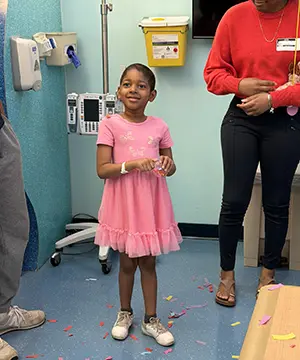
The trajectory of pediatric oncology is often defined by the intersection of sudden clinical crises and long-term therapeutic endurance, a reality exemplified by the recent case of Amari, a young patient whose battle with Stage 3 anaplastic Wilms tumor highlights both the challenges of rare pediatric malignancies and the advancements in modern nephrology. Amari’s journey, which began with an acute episode of hematuria on a typical school night, culminated in a successful 32-week treatment regimen and the preservation of significant renal function, offering a profound case study in the efficacy of multidisciplinary pediatric care. As the medical community observes Cancer Survivors Month this June, Amari’s transition into survivorship serves as a focal point for discussing the current state of pediatric renal cancer research, the nuances of anaplastic histology, and the critical importance of specialized surgical interventions in improving long-term outcomes for children.
The Clinical Presentation and Initial Diagnostic Phase
The onset of pediatric renal cancer is frequently asymptomatic in its early stages, often manifesting only when a tumor reaches a size sufficient to cause physical discomfort or internal bleeding. In Amari’s case, the primary clinical indicator was hematuria—the presence of blood in the urine—a symptom that necessitated immediate emergency intervention. For many families, this sudden transition from apparent health to a critical medical emergency is the hallmark of a pediatric cancer diagnosis. Upon admission to the emergency department, diagnostic imaging revealed a significant mass on Amari’s kidney, shifting the clinical focus from a routine emergency visit to an oncology-led intervention.
Wilms tumor, or nephroblastoma, is the most prevalent form of pediatric kidney cancer, accounting for approximately 95% of all renal tumors in children. While the majority of these cases have a favorable prognosis, the diagnostic process is fraught with tension as clinicians determine the stage and histology of the tumor. For Amari’s mother, Cora H., the period between the initial discovery and the formal diagnosis was characterized by the "heavy" weight of uncertainty that defines the experience of parents in the pediatric oncology ward. The subsequent discovery of a tumor on the kidney marked the beginning of a complex medical protocol involving chemotherapy, high-stakes surgery, and long-term monitoring.
Surgical Innovation and Renal Preservation
One of the most significant developments in Amari’s clinical path was the decision regarding surgical intervention. Historically, the standard of care for unilateral Wilms tumor has been a radical nephrectomy—the complete removal of the affected kidney. However, modern pediatric surgery increasingly explores "nephron-sparing" techniques where feasible. In Amari’s case, doctors initially prepared the family for a total nephrectomy of the left kidney. However, following a preliminary course of chemotherapy designed to shrink the tumor, surgeons identified an opportunity to preserve a portion of the healthy organ.
The successful removal of the tumor while preserving approximately 60 percent of the healthy kidney represents a major victory in pediatric nephrology. Preserving renal mass is critical for long-term health, as survivors of pediatric kidney cancer face an increased risk of chronic kidney disease (CKD) and hypertension later in life. By maintaining a majority of the kidney’s function, the surgical team significantly mitigated the long-term physiological burden on Amari’s developing body. This "thread of hope," as described by her mother, underscores the importance of surgical precision and the role of neoadjuvant chemotherapy in facilitating organ-sparing procedures.
Understanding Stage 3 Anaplastic Wilms Tumor
The complexity of Amari’s case was further intensified by the pathological diagnosis: Stage 3 anaplastic Wilms tumor. In the context of pediatric oncology, "anaplastic" refers to a specific histology where the cancer cells appear highly irregular and do not resemble normal cells. Anaplasia is considered an "unfavorable" histology because these cells are typically more resistant to standard chemotherapy than "favorable" histology Wilms tumors.
Stage 3 designation indicates that the cancer has spread beyond the kidney to nearby lymph nodes or structures within the abdomen, or that the tumor ruptured before or during surgery. The combination of Stage 3 progression and anaplastic histology required a more aggressive and prolonged treatment plan. Amari underwent 32 weeks of intensive chemotherapy, a grueling regimen designed to eradicate any residual microscopic disease and prevent recurrence. This period of treatment is often characterized by extreme physical exhaustion, immune suppression, and the various side effects associated with cytotoxic drugs, such as vincristine, dactinomycin, and doxorubicin, which are commonly used in such protocols.
The Chronology of Recovery and the Symbolism of the Bell
Throughout the eight-month treatment period, Amari and her family maintained a rigorous schedule of hospitalizations and outpatient infusions. Despite the physiological toll of the chemotherapy, Amari continued to engage in her passion for cheerleading, a factor that many pediatric specialists believe contributes to the psychological resilience of young patients. The integration of "normalcy"—such as meeting the Dallas Cowboys Cheerleaders—into the life of a critically ill child is increasingly recognized as a vital component of holistic pediatric care.
The conclusion of Amari’s treatment was marked by the traditional "ringing of the bell." This ceremony, which has become a staple in oncology centers worldwide, serves as a communal celebration of the end of active treatment. For Amari, this milestone occurred on the birthday of her late grandmother, adding a layer of familial significance to the clinical victory. As she rang the bell surrounded by her medical team, family, and friends, she transitioned from a "patient" to a "survivor."
Statistical Context and the Landscape of Pediatric Cancer
Amari is one of thousands of children who navigate the complexities of a cancer diagnosis each year. According to the American Cancer Society, approximately 1 in 285 children in the United States will be diagnosed with cancer before the age of 20. While survival rates for Wilms tumor are generally high—exceeding 90% for favorable histology—those with anaplastic features face a more challenging prognosis, making Amari’s successful outcome particularly noteworthy.
Data from the National Cancer Institute (NCI) indicates that while pediatric cancer deaths have declined by nearly 70% over the last four decades, cancer remains the leading cause of death by disease among children in the U.S. Furthermore, the "cure" is often only the beginning of a lifelong journey. Research into "late effects" shows that upwards of 60% of pediatric cancer survivors will experience at least one chronic health condition resulting from their treatment, including cardiac issues, secondary cancers, or renal insufficiency. This reality highlights the ongoing need for research into less toxic, more targeted therapies.
Broader Implications and the Role of Advocacy
Amari’s story is being highlighted during June, which is internationally recognized as Cancer Survivors Month. This designation aims to bring awareness to the unique challenges faced by the growing population of cancer survivors. For pediatric survivors, the focus is often on the transition from pediatric oncology to adult primary care, a phase where many patients "fall through the cracks" of the medical system.
Organizations like CureSearch for Children’s Cancer play a pivotal role in this ecosystem by funding clinical trials and research specifically targeted at pediatric malignancies. Because pediatric cancers are biologically distinct from adult cancers, they require different therapeutic approaches. However, pediatric cancer research often receives a disproportionately small fraction of federal funding compared to adult cancers. Advocacy efforts and private donations are therefore essential to drive the development of new treatments that are both more effective and less damaging to a child’s developing organs.
Conclusion: A Legacy of Hope and Continued Research
Today, Amari is described as "thriving," pursuing interests ranging from K-pop and Barbies to her continued dedication to cheerleading. Her case serves as a testament to the progress made in treating high-risk renal tumors and the resilience of the pediatric spirit. However, her journey also serves as a reminder of the work that remains.
The success of Amari’s treatment—specifically the preservation of 60 percent of her kidney—highlights the necessity of individualized treatment plans and the importance of having access to specialized pediatric surgical teams. As medical science moves toward more personalized medicine, the goal remains to ensure that every child diagnosed with cancer has the opportunity to ring the bell and pursue their dreams. For families currently facing a similar diagnosis, Amari’s story offers a message of hope: that even in the face of anaplastic, Stage 3 diagnoses, recovery is possible when medical expertise meets unwavering support. The sound of the bell, as Cora H. noted, is indeed a sound that signifies not just the end of a trial, but the beginning of a future.
