
 By admin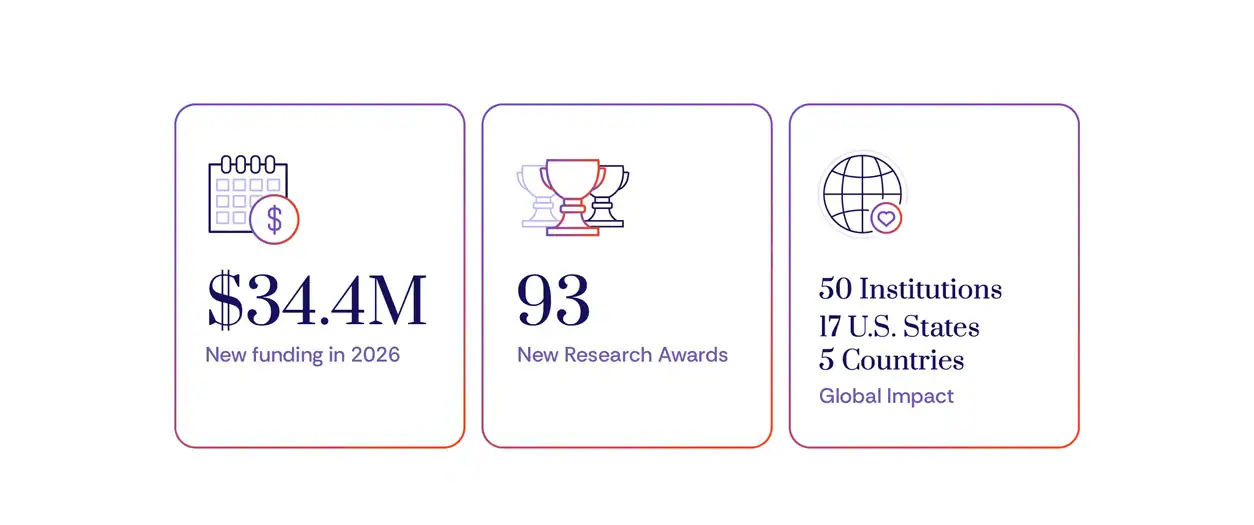
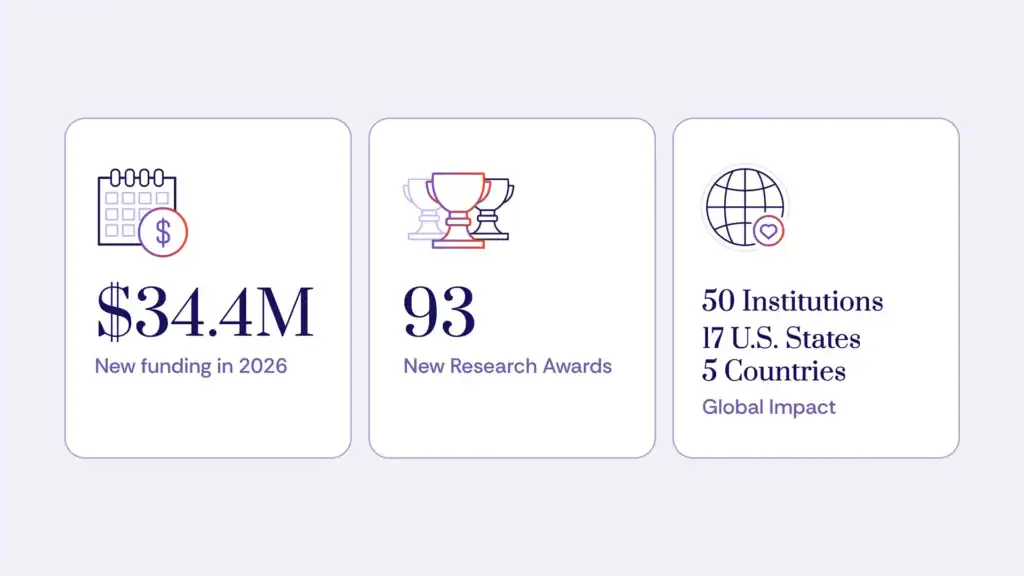
In a period marked by significant fiscal austerity and heightened uncertainty within the scientific community, the Cancer Research Institute (CRI) has announced a landmark commitment of $34.4 million in new funding for the fiscal year 2025–26, marking its largest grantmaking year to date. This substantial investment, distributed across 93 awards, underscores CRI’s unwavering dedication to advancing cancer immunotherapy research despite a challenging global funding landscape. The grants are set to empower scientists at 50 institutions across five countries and 17 U.S. states, signaling a critical push to accelerate discoveries that promise to redefine cancer treatment and patient outcomes.
Navigating a Challenging Research Funding Environment
The past year has presented formidable obstacles for researchers globally. Across various sectors, including government agencies and private institutions, scientific research has contended with budget reallocations, inflationary pressures, and a general tightening of funding opportunities. This environment has disproportionately affected early-career scientists and those pursuing high-risk, high-reward research, often deemed too speculative by traditional funding mechanisms. Reports from organizations such as the National Institutes of Health (NIH) and various academic consortia have indicated a slowdown in the growth of federal research grants, with some areas experiencing outright reductions. This scarcity of resources has created a precarious situation for many promising projects and careers, threatening to stifle innovation at a critical juncture in medical science.
In response to this overarching challenge, CRI made a deliberate and strategic decision to not only maintain but significantly increase its investment in cancer research. This commitment is rooted in the understanding that sustained funding is the bedrock of scientific progress, especially for complex and rapidly evolving fields like immunotherapy. CRI’s leadership recognized that moments of uncertainty are precisely when foundational support is most vital to ensure that promising ideas do not stall and that the pipeline of future scientific leaders remains robust.
A Record-Breaking Commitment to Global Innovation
The $34.4 million committed by CRI in fiscal year 2025–26 represents a critical infusion of capital into the global fight against cancer. This sum is not merely a number; it symbolizes the potential for breakthroughs, the establishment of new research paradigms, and the cultivation of a new generation of scientific talent. The allocation across 93 awards ensures a broad impact, supporting a diverse portfolio of projects that span basic research, translational studies, and early-stage clinical investigations.
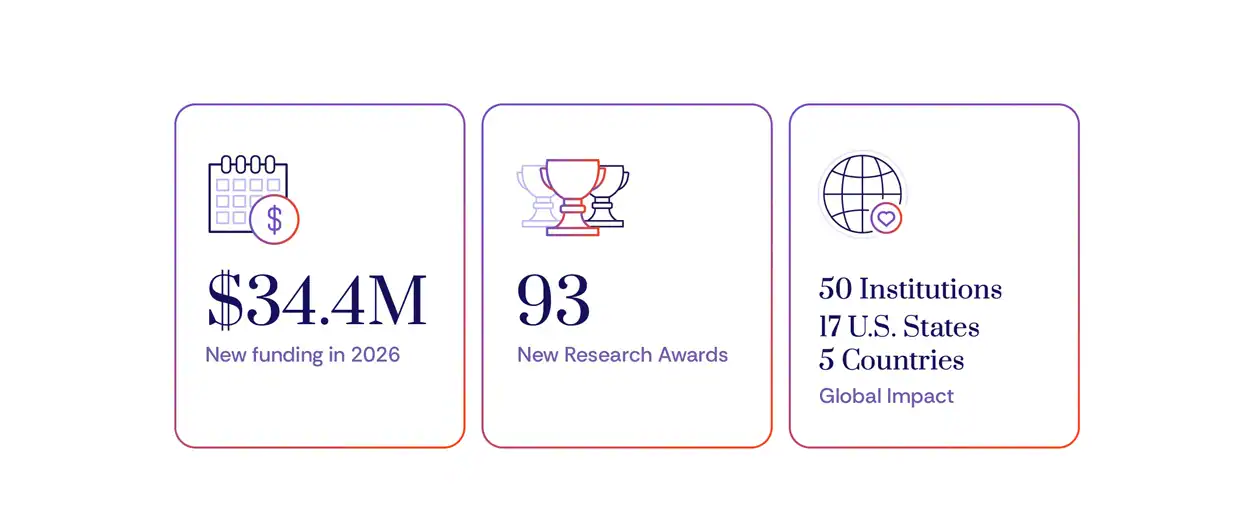
The geographical reach of these awards—encompassing 50 institutions in five countries and 17 U.S. states—highlights CRI’s global perspective on scientific collaboration. Cancer, a disease without borders, demands a unified global effort. By supporting scientists in various locales, CRI fosters international collaboration, encourages the exchange of ideas, and ensures that diverse scientific perspectives contribute to the collective knowledge base. This distributed funding model also helps to build research capacity in different regions, strengthening the overall infrastructure for cancer research worldwide. The investments target critical areas within cancer immunology, from understanding fundamental immune responses to developing novel therapeutic strategies, all aimed at harnessing the body’s own defenses to combat the disease.
The Strategic Imperative: Investing in Early-Career Scientists
A significant portion of CRI’s strategic focus is directed towards supporting scientists at pivotal stages of their careers. The journey from postdoctoral training to establishing an independent research laboratory is notoriously challenging. This "valley of death" in scientific funding often sees promising ideas and talented individuals struggle to secure the initial grants needed to launch their own research programs. Without a track record of independent funding, obtaining substantial, long-term support becomes a daunting task, leading to potential attrition of talent and the loss of innovative research directions.
For more than 70 years, CRI has understood this critical bottleneck, consistently investing in exceptional scientists even before their most significant discoveries are made. This philosophy grants researchers the freedom to pursue intriguing scientific questions, take calculated risks, and explore unconventional avenues—all essential components of truly transformative progress. This long-standing commitment is exemplified by the introduction of the new CRI IGNITE Award: Inspiring Growth and Nurturing Independence Through Excellence.
The IGNITE Award is specifically designed to bridge the precarious gap faced by early-career scientists transitioning to independence. It provides essential resources, flexibility, and the critical confidence of a committed funder at precisely the moment when these talented individuals are ready to establish their own laboratories, define original areas of investigation, and generate the preliminary data necessary to compete for larger, long-term grants. This strategic intervention ensures that groundbreaking ideas do not wither due to lack of initial support but are instead given the fertile ground they need to flourish.
Spotlight on Innovation: Dr. Simone Park and Tissue-Resident Memory T Cells
The impact of CRI’s sustained investment and the strategic design of the IGNITE Award are powerfully illustrated by the trajectory of Dr. Simone Park, an inaugural IGNITE Award recipient at the University of Pennsylvania. Dr. Park’s journey with CRI began during her postdoctoral fellowship, where she received early support that helped shape her foundational expertise. Now, with the IGNITE Award, she is embarking on the next crucial phase of her career, establishing an independent research program focused on the fascinating world of tissue-resident memory T cells.
These specialized immune cells are critical components of the body’s long-term defense system. Unlike circulating T cells, tissue-resident memory T cells remain localized within specific tissues, including those where tumors may have once resided. They act as vigilant sentinels, poised to launch a rapid and robust immune response if cancer cells attempt to recur. Dr. Park’s research delves into the fundamental biology of these cells, seeking to understand the mechanisms that enable their persistence and sustained anti-tumor activity. Her work aims to uncover the secrets behind their remarkable durability, with the ultimate goal of identifying novel strategies to enhance their protective capabilities. Imagine therapies that could ‘train’ these cells to be even more potent and long-lasting, offering enduring protection against cancer recurrence—a major challenge in oncology.
Dr. Park’s path is more than an individual success story; it serves as a compelling testament to the profound value of supporting promising scientists throughout their professional development. From fostering initial expertise during fellowships to enabling independent leadership through awards like IGNITE, and ultimately empowering established investigators, CRI’s continuum of support is designed to cultivate the scientific leaders who will shape the future of cancer immunotherapy. This holistic approach ensures that exceptional talent is nurtured at every critical juncture, maximizing the potential for transformative discoveries.
A Continuum of Support: CRI’s Broader Philanthropic Model
The IGNITE Award is a vital new addition to CRI’s comprehensive suite of funding programs, which collectively form a continuum of support for scientists at every stage of their careers. This strategic framework ensures that researchers receive targeted assistance precisely when it is most needed, fostering a robust and dynamic ecosystem for cancer immunology.
- Postdoctoral Fellowships: These awards serve as the launchpad for aspiring cancer immunologists, providing crucial support during the initial stages of their research careers. They enable fellows to develop specialized expertise under the mentorship of leading scientists, laying the groundwork for future independent work.
- IGNITE Awards: As demonstrated by Dr. Park, these awards specifically target the vulnerable transition period from postdoctoral training to independent principal investigator, enabling scientists to establish their own laboratories and pursue their unique research questions.
- CRI Lloyd J. Old STAR Awards: Named in honor of the "Father of Modern Cancer Immunotherapy," these prestigious awards provide substantial, flexible funding to established investigators. This support empowers scientific leaders to pursue high-risk, high-impact ideas that might be too unconventional for traditional funding, often leading to paradigm-shifting discoveries.
This multi-tiered approach reflects CRI’s deep understanding of the scientific career path and its commitment to ensuring that exceptional people have the resources and freedom to advance their work at pivotal moments. It creates a pipeline of talent, from emerging stars to seasoned pioneers, all united in the mission to conquer cancer.
Beyond Research Awards: A Holistic Ecosystem for Discovery
CRI’s commitment to advancing cancer research extends far beyond direct grant funding. The organization recognizes that accelerating discovery and translating complex biological insights into effective patient treatments requires a multifaceted approach and a robust support infrastructure. Its initiatives include:

- Advancing Clinical Studies: CRI actively supports and facilitates early-phase clinical trials that test novel immunotherapies, helping to bridge the gap between laboratory discoveries and patient care. This involves identifying promising therapeutic candidates and ensuring they are rigorously evaluated in human studies.
- Developing Data Programs and Shared Resources: In the era of big data, robust data management and sharing platforms are crucial. CRI invests in initiatives that create and curate valuable datasets, making them accessible to the broader scientific community. This fosters collaboration, accelerates analysis, and prevents redundant efforts. Shared resources, such as specialized research reagents or advanced analytical tools, also maximize the efficiency and impact of funded projects.
- Equipping Scientists with New Computational Skills: The burgeoning field of bioinformatics and computational biology is indispensable for modern immunology. CRI supports training programs and workshops that equip researchers with the advanced computational skills needed to analyze complex biological data, model immune responses, and identify new therapeutic targets. This ensures that scientists can fully leverage the power of cutting-edge technologies.
- Patient and Caregiver Support: Recognizing that the fight against cancer is deeply personal, CRI also provides trusted information and support to patients and caregivers navigating the complexities of cancer immunotherapy. Through educational resources, patient advocacy programs, and community engagement, CRI empowers individuals to make informed decisions and access the best possible care.
Each of these investments contributes to a broader, interconnected ecosystem designed to move scientific discovery forward and translate increasingly complex biological understanding into tangible improvements in patient outcomes. This comprehensive strategy acknowledges that eradicating cancer requires not only brilliant scientific minds but also robust infrastructure, collaborative platforms, and informed patient communities.
Official Perspectives and Future Outlook
According to Dr. Jill O’Donnell-Tormey, CEO and Director of Scientific Affairs at the Cancer Research Institute, "This record-setting year of grantmaking in 2025-26 is a testament to the unwavering generosity of our supporters and the urgent need to accelerate breakthroughs in cancer immunotherapy. In a climate where scientific funding is often precarious, CRI made a conscious decision to lean in, not pull back. We believe that investing in exceptional scientists, especially those at critical junctures in their careers, is the most direct path to curing cancer. The IGNITE Award, exemplified by brilliant researchers like Dr. Simone Park, is a cornerstone of this strategy, ensuring that the next generation of leaders has the freedom and resources to pursue bold, transformative ideas."
Dr. Park herself remarked, "The IGNITE Award has been truly transformative for my career. It has provided me with the independence and resources necessary to establish my lab and rigorously pursue fundamental questions about tissue-resident memory T cells. This support at such a crucial stage allows me to focus on the science, take the necessary risks, and ultimately push the boundaries of what’s possible in cancer immunotherapy. I am incredibly grateful for CRI’s vision and belief in early-career investigators."
The 2026 Annual Impact Report, soon to be released by CRI, is expected to provide a detailed account of what this monumental commitment made possible during this record-setting year. It will serve as a powerful record of promises kept: to the visionary scientists whose ideas deserve the chance to grow, to the countless patients and their families waiting for new possibilities, and to the dedicated supporters who steadfastly believe in the power of research to change lives.
The landscape of scientific advancement may be altered by uncertainty, but the fundamental requirements for progress remain constant: exceptional people, bold ideas, and the sustained support to bring them together. The Cancer Research Institute’s record investment in 2025-26 is a resounding affirmation of this principle, laying a robust foundation for continued innovation. There is indeed extraordinary work still ahead, and with this renewed commitment, CRI and its network of pioneering scientists are just getting started in their relentless pursuit of a future free from cancer.
