
 By admin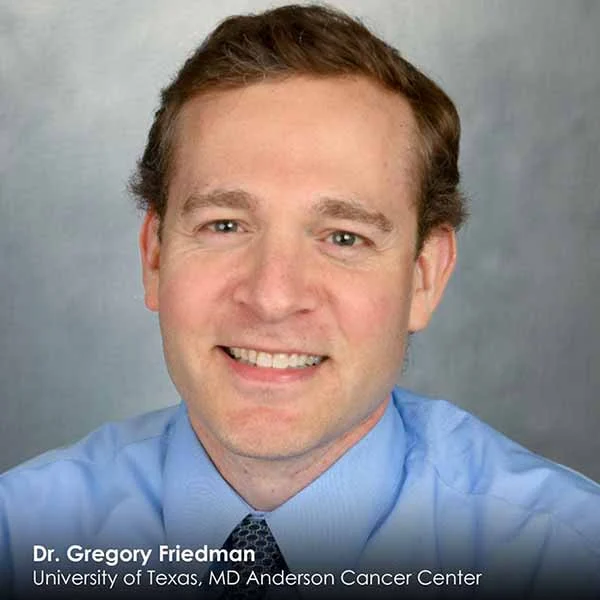
The Critical Landscape of Pediatric High-Grade Gliomas
Pediatric high-grade gliomas represent a devastating spectrum of central nervous system tumors. Unlike many adult cancers that have seen significant survival improvements over the last several decades, the prognosis for children with pHGGs remains grim. The median survival rate for these patients is currently less than 30%. Within this category, specific subtypes such as Diffuse Intrinsic Pontine Glioma (DIPG)—now often classified under the umbrella of diffuse midline gliomas—carry an even more harrowing outlook, with many cases considered incurable from the moment of diagnosis.
The current standard of care for pHGGs typically involves a combination of surgical resection, where possible, followed by intensive radiation and chemotherapy. However, these interventions are often insufficient to prevent recurrence and frequently result in profound long-term toxicity. Because a child’s brain is still developing, the collateral damage from high-dose radiation and systemic chemotherapy can lead to severe cognitive impairment, endocrine disruption, and secondary malignancies. The urgent need for "targeted" and "less toxic" therapies is not merely a clinical preference but a biological necessity for pediatric patients who, if they survive, must live with the consequences of their treatment for decades.
The Friedman Project: A Dual-Action Immunotherapy Approach
At the heart of the new international partnership is the work of Dr. Gregory Friedman and his multidisciplinary team. The project focuses on a novel combination immunotherapy designed to harness the power of a patient’s own immune system to identify and destroy malignant cells while sparing healthy brain tissue. This approach addresses the two primary hurdles in brain cancer treatment: the blood-brain barrier, which prevents many traditional drugs from reaching the tumor, and the "cold" immune environment of gliomas, which typically allows tumors to hide from the body’s natural defenses.
Dr. Friedman’s strategy utilizes a two-pronged attack. The first component is an oncolytic virotherapy—a modified version of the Herpes Simplex Virus (the common cold-sore virus). This virus has been genetically engineered to selectively infect and replicate within brain tumor cells, causing them to burst (lyse) without harming surrounding healthy neurons.
The second component is a sophisticated cancer vaccine known as SNAPvax. This vaccine is designed to "prime" the immune system, teaching T-cells to recognize specific proteins, or antigens, found on the surface of the glioma cells. By combining the virus with the vaccine, the research team aims to create a sustained immune response. The virus acts as the immediate catalyst for tumor destruction, while the vaccine ensures that the immune system remains vigilant, potentially preventing the tumor from returning.
Chronology of Development and Scientific Milestones
The journey toward this innovative therapy began in earnest in 2022, when Dr. Friedman was originally granted the CureSearch AI award, with initial support provided by the Rally Foundation for Childhood Cancer Research. Since then, the project has moved through several critical phases of preclinical development:
- Target Identification: The team successfully identified the most effective brain tumor proteins to target with the SNAPvax platform, ensuring the immune system is focused on the most vulnerable aspects of the cancer’s biology.
- Model Development: Researchers developed advanced tumor models to test the efficacy of the vaccine-virus combination in a setting that mimics the human brain environment.
- Optimization of Sequencing: One of the project’s most significant breakthroughs involved the timing of the treatment. The team discovered that delivering the vaccine prior to the virus yielded significantly better results. If the virus is administered first, the immune system may focus its energy on clearing the virus itself. However, by priming the immune system with the vaccine first, the body is prepared to attack the tumor cells as they are being broken down by the virus, maximizing the therapeutic impact.
- Industry Collaboration: Dr. Friedman is currently working with industry partners to transition these laboratory findings into a Phase I clinical trial. This stage is critical for determining the safety and dosage requirements for pediatric patients.
The Acceleration Initiative: Bridging the "Valley of Death"
The partnership between CureSearch and LifeArc highlights a successful model for addressing the "Valley of Death" in drug development—the gap between initial laboratory discovery and the commencement of clinical trials. In the pharmaceutical industry, pediatric cancer drugs are often neglected because the market is smaller compared to adult cancers, making the financial risk higher for private companies.
The CureSearch Acceleration Initiative (AI) was specifically designed to circumvent this hurdle. AI projects are vetted by world-class Scientific and Industry Advisory Councils, ensuring that only the most promising research receives funding. The metrics of this model are striking: while the average rate of translation for oncology drugs from preclinical stages to clinical trials is less than 8%, CureSearch’s AI projects boast a 60% success rate.
By requiring projects to have a clear path to the clinic within three years, the AI model prioritizes speed and patient impact. The addition of LifeArc as a co-funder brings not only financial capital but also the expertise of a UK charity renowned for its ability to bridge the gap between academic research and patient benefit.
Official Responses and Strategic Vision
Leadership from both organizations emphasized that international cooperation is the future of pediatric oncology. Kay Koehler, President and CEO of CureSearch, noted that the expansion of the co-funding model to an international level is a milestone for the organization. "Because promising research projects in children’s cancer often go unfunded, our goal is to fill that gap by ensuring the quick advancement of these promising projects into the clinic where they can help children today," Koehler stated. She further highlighted that LifeArc’s involvement serves as a validation of the AI funding model’s efficacy.
Dr. David Jenkinson, Head of Childhood Cancer at LifeArc, echoed these sentiments, noting that the project aligns perfectly with LifeArc’s mission to improve the lives of children with cancer through less toxic treatments. "This project really stood out to us because this novel approach holds real promise in an area of high unmet medical need," Jenkinson said. For LifeArc, the partnership represents a strategic move to invest in global science that can be translated into the UK health system and beyond.
The Human Impact: The Legacy of Khushil Pandya
Beyond the laboratory data and strategic partnerships lies the human reality of pediatric brain cancer. The story of Khushil Pandya, a 14-year-old from Harrow, London, serves as a poignant reminder of why this research is vital. Khushil was diagnosed with a diffuse midline glioma in 2017. Despite the terminal nature of the diagnosis, Khushil and his parents, Namrata and Bhavesh, fought to maintain a sense of normalcy.
Khushil’s bravery was exemplified by his completion of the bronze Duke of Edinburgh expedition in a wheelchair, just months before his passing. He died in his parents’ arms in late 2017. His mother, Namrata, has since become a vocal advocate for increased research funding. "Bhavesh and I will never be ready to accept that… there’s very little knowledge on how and why it happens," she said. "More effective treatment means shorter duration of illness, lesser side effects, better quality of life and could potentially save more lives and families."
For families like the Pandyas, the Friedman project represents the hope they did not have in 2017—the hope that a diagnosis of pHGG will one day be met with a manageable, effective, and safe treatment plan rather than a terminal prognosis.
Implications for Global Pediatric Oncology
The collaboration between CureSearch and LifeArc signifies a shift toward a more unified global approach to rare disease research. Because pediatric high-grade gliomas are relatively rare, no single country has a large enough patient population to conduct comprehensive clinical trials in isolation. International partnerships facilitate the sharing of data, the recruitment of patients for trials, and the distribution of successful therapies across borders.
Furthermore, the focus on immunotherapy marks a departure from the "slash, burn, and poison" era of oncology. By utilizing modified viruses and precision vaccines, researchers are moving toward a future where "smart" medicine does the work that "blunt" instruments like traditional radiation cannot. If Dr. Friedman’s combination therapy continues its successful trajectory, it could set a new benchmark for how all pediatric solid tumors are treated, moving the needle from mere survival toward true recovery and a high quality of life.
As the project moves toward its clinical trial phase, the eyes of the global medical community remain on this bi-continental effort. The partnership between CureSearch and LifeArc is more than a financial arrangement; it is a blueprint for how charitable organizations, academic researchers, and industry partners can align their interests to solve the most pressing challenges in human health. For the children and families currently facing the reality of a brain tumor diagnosis, this initiative offers the most valuable commodity of all: time.
