
 By Lina carolina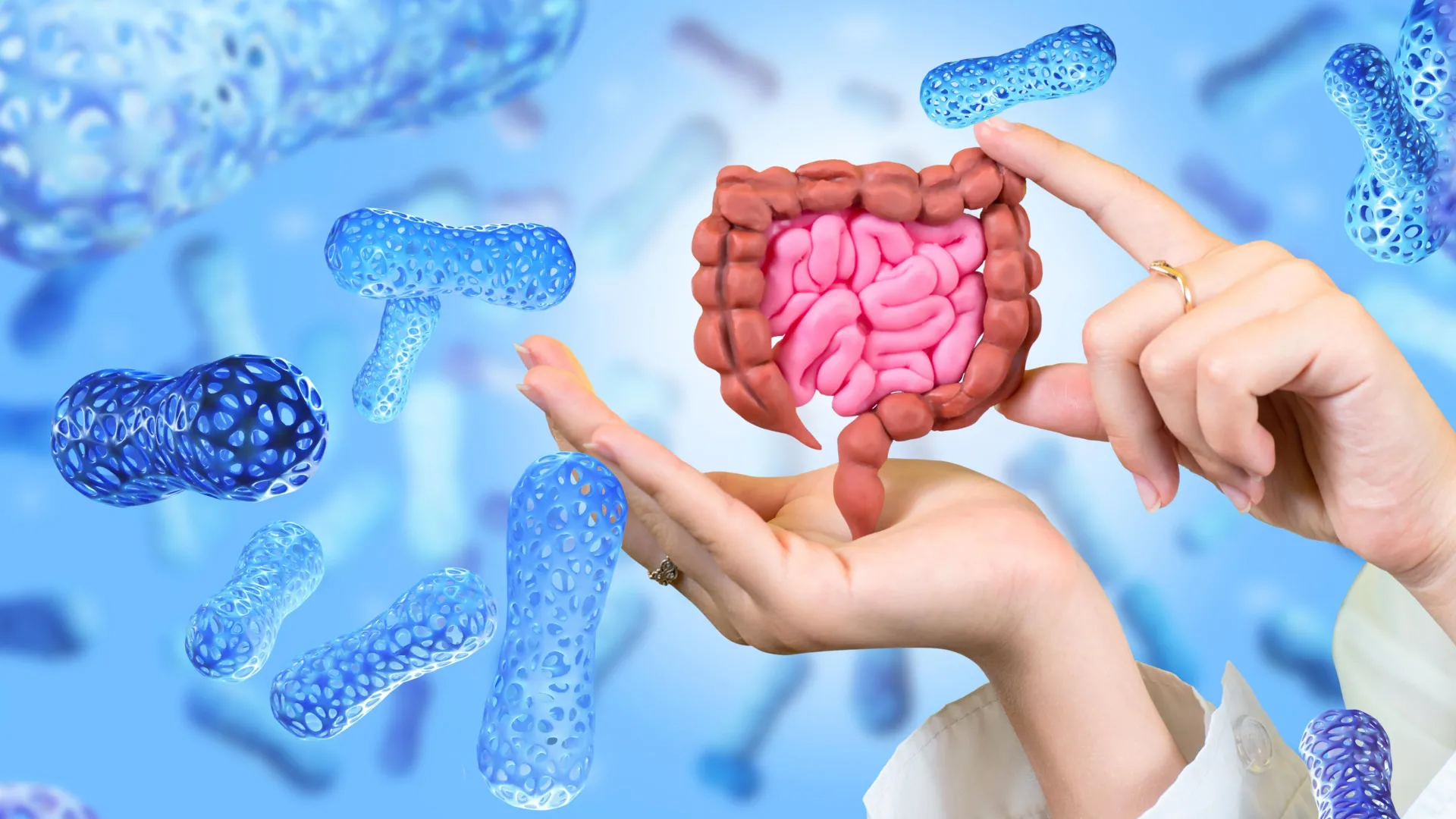
The fight against pancreatic cancer, a disease notoriously resistant to current therapeutic strategies, has taken a promising turn with the development of an innovative approach by researchers at the University of Chicago. This novel therapy utilizes an engineered probiotic bacterium, Bifidobacterium longum, to deliver a potent immune-stimulating agent directly into tumors, overcoming the protective "cold" tumor microenvironment that often thwarts conventional treatments. The findings, published in the prestigious journal Science Advances, signal a potential paradigm shift in how oncologists might one day combat this devastating illness.
A Stubborn Foe: Pancreatic Cancer’s Immunotherapy Resistance
Cancer immunotherapy has revolutionized the treatment landscape for many malignancies, offering patients unprecedented levels of response and improved survival rates. However, pancreatic cancer has largely remained an outlier, demonstrating a profound recalcitrance to these powerful immune-based strategies. A primary culprit is the unique tumor microenvironment (TME) that pancreatic tumors cultivate. This TME is characterized by a dense extracellular matrix, immunosuppressive cells, and limited blood vessel formation, collectively creating a "cold" niche that effectively shields cancer cells from immune surveillance and attack. Immune cells, such as T cells, struggle to infiltrate these hostile territories and exert their cytotoxic functions.
"A big unmet medical need has been pancreatic cancer, and so that was going to be our mountain to climb," stated Dr. Ralph Weichselbaum, MD, the Daniel K. Ludwig Distinguished Service Professor and Chair of Radiation and Cellular Oncology at the University of Chicago. This sentiment underscores the immense challenge and the critical need for breakthrough solutions in addressing pancreatic cancer.
BifidoSumIL-2: Harnessing Gut Bacteria for Precision Therapy
The University of Chicago team’s innovative solution, dubbed BifidoSumIL-2, leverages a genetically modified strain of Bifidobacterium longum, a probiotic bacterium commonly found in the human gut and recognized for its generally safe profile. The engineered bacterium is designed to act as a living, microscopic drug delivery system, specifically targeting tumors and releasing a modified form of interleukin-2 (IL-2).
IL-2 is a crucial cytokine that plays a vital role in immune regulation and T cell activation. In the context of cancer, IL-2 can amplify the body’s anti-tumor immune response by stimulating cytotoxic T cells, the primary soldiers in the immune system’s battle against cancer. However, conventional systemic administration of IL-2 is fraught with difficulties. It can lead to severe side effects due to widespread immune activation and can paradoxically stimulate regulatory T cells (Tregs), which actively suppress anti-tumor immunity, thereby undermining treatment efficacy.
To circumvent these limitations, the researchers developed "SumIL-2," a rationally designed, modified version of IL-2. SumIL-2 is engineered to preferentially activate cancer-fighting T cells while minimizing the activation of immunosuppressive Tregs. The true innovation lies in encapsulating this potent therapeutic molecule within Bifidobacterium longum. This strategy ensures that SumIL-2 is released locally within the tumor, concentrating the therapeutic effect where it is most needed and significantly reducing the risk of systemic toxicity.
A Multidisciplinary Endeavor: From Microbiology to Oncology
The development of BifidoSumIL-2 was not a singular achievement but a testament to the power of interdisciplinary collaboration. Scientists from diverse fields, including microbiology, synthetic biology, oncology, and immunology, pooled their expertise to bring this complex concept to fruition.
"This was a highly interdisciplinary effort," emphasized Dr. Mark Mimee, PhD, Assistant Professor of Microbiology at the University of Chicago. "We had to bring together people who understand bacteria, people who understand tumors, and people who understand the immune system to make something like this possible." This collaborative spirit is increasingly recognized as essential for tackling intricate biological challenges.
The Advantage of Anaerobic Niches: Why Bifidobacterium Targets Tumors
The choice of Bifidobacterium longum as a delivery vehicle was strategic. This bacterium is an obligate anaerobe, meaning it thrives in environments with very little oxygen. This characteristic aligns perfectly with the physiological conditions found within many solid tumors, including pancreatic tumors, which are often hypoxic (low in oxygen). In contrast, healthy tissues generally have a richer oxygen supply, making them less hospitable to Bifidobacterium.
"Bifidobacterium is an obligate anaerobe, so it doesn’t grow in the presence of oxygen," explained Dr. Mimee. "When the bacteria are injected systemically, they are cleared from healthy tissues with abundant oxygen. Inside the low-oxygen regions of tumors, however, they can become active." This inherent preference allows the engineered bacteria to act as natural tumor-homing agents. Once inside the tumor, they colonize and begin to produce SumIL-2, effectively transforming the tumor into a localized therapeutic factory.
Furthermore, Bifidobacterium possesses a favorable safety profile. It is a well-established probiotic organism, commonly found in fermented foods like yogurt, and is generally recognized as safe (GRAS). This existing familiarity and safety record provide a solid foundation for potential clinical translation.
Engineering Challenges and Breakthroughs
Despite the inherent advantages of Bifidobacterium, engineering it for therapeutic purposes presented significant hurdles. "Bifidobacterium is not the easiest organism to work with," Dr. Mimee noted. "It’s anaerobic, it grows slowly, and the genetic tools for manipulating it are much more limited compared to model bacteria like E. coli. A lot of the work was just figuring out how to reliably engineer it." Overcoming these technical challenges required innovative genetic engineering techniques and considerable scientific perseverance.
Promising Preclinical Results: Slowing Growth and Enhancing Immune Activity
In preclinical studies conducted in animal models, BifidoSumIL-2 demonstrated remarkable efficacy. The engineered bacteria preferentially accumulated within pancreatic tumors, where they released SumIL-2, leading to enhanced immune activity and a significant slowing of tumor growth. Crucially, the therapy altered the tumor microenvironment in a beneficial manner, increasing the infiltration and activity of cancer-fighting CD8+ T cells.
The most compelling findings emerged when BifidoSumIL-2 was combined with established cancer treatments. The synergistic effects observed when pairing the bacterial therapy with chemotherapy, radiation therapy, or standard immunotherapy (specifically, anti-PD-L1) were particularly noteworthy. These combination regimens resulted in superior tumor control and significantly extended survival rates compared to monotherapies.
"This combination potential is one of the study’s most important findings; BifidoSumIL-2 not only works by itself — it works with radiotherapy, chemotherapy, and immunotherapy," Dr. Weichselbaum highlighted. This suggests that BifidoSumIL-2 could serve as a potent adjuvant, amplifying the effectiveness of existing treatment modalities and potentially overcoming resistance mechanisms.
Expanding Horizons: Combination Therapies and Future Directions
The success in preclinical models opens up exciting avenues for future research and clinical application. The researchers are keen to explore the potential of combining BifidoSumIL-2 with newer, targeted therapies that are emerging for pancreatic cancer, such as KRAS inhibitors. This exploration aims to create even more robust and multifaceted treatment strategies.
However, significant steps remain before BifidoSumIL-2 can be considered for human use. Future research will focus on rigorously evaluating its long-term safety, assessing the possibility of off-target effects, determining the duration and durability of the immune response, and investigating alternative routes of administration, such as oral delivery, which would significantly enhance patient convenience.
The "Bugs as Drugs" Revolution: A New Frontier in Medicine
The development of BifidoSumIL-2 is a prime example of the burgeoning field of "bugs as drugs." This innovative approach harnesses the power of genetically engineered microorganisms, particularly probiotics, to serve as living therapeutic agents. By precisely targeting disease sites and delivering therapeutic payloads directly, this strategy promises to enhance treatment efficacy, minimize side effects, and potentially overcome the limitations of conventional drug delivery.
The implications of this research extend beyond pancreatic cancer. The principles behind BifidoSumIL-2 could be adapted to engineer bacteria for the targeted delivery of therapies to other difficult-to-treat cancers or even a range of non-oncological diseases. This represents a paradigm shift in how we conceive of and develop new medicines, moving towards more personalized, precision-based interventions.
The study, titled "Engineered probiotic Bifidobacterium for tumor-targeted pancreatic cancer therapy," received support from the Ludwig Foundation and the National Institutes of Health. The research team included Jaehyun Lee, Kaiting Yang, Christina Nowicki, Wei Liu, Emile Naccasha, and Hua Liang from the University of Chicago; Zhichen Sun from the University of Texas Southwestern, Dallas; and Yang-Xin Fu from Tsinghua University, Beijing, China.
The University of Chicago Medicine and its Biological Sciences Division remain at the vanguard of cancer care and research. The planned opening of the AbbVie Foundation Cancer Pavilion in April 2027 will further solidify Chicago’s position as a leading center for advanced diagnostics, groundbreaking treatments, and comprehensive patient support, embodying the continuous pursuit of innovation in the fight against cancer. This new facility is poised to accelerate the translation of discoveries like BifidoSumIL-2 from the laboratory bench to the patient bedside, offering renewed hope to those facing the challenges of cancer.
