
 By admin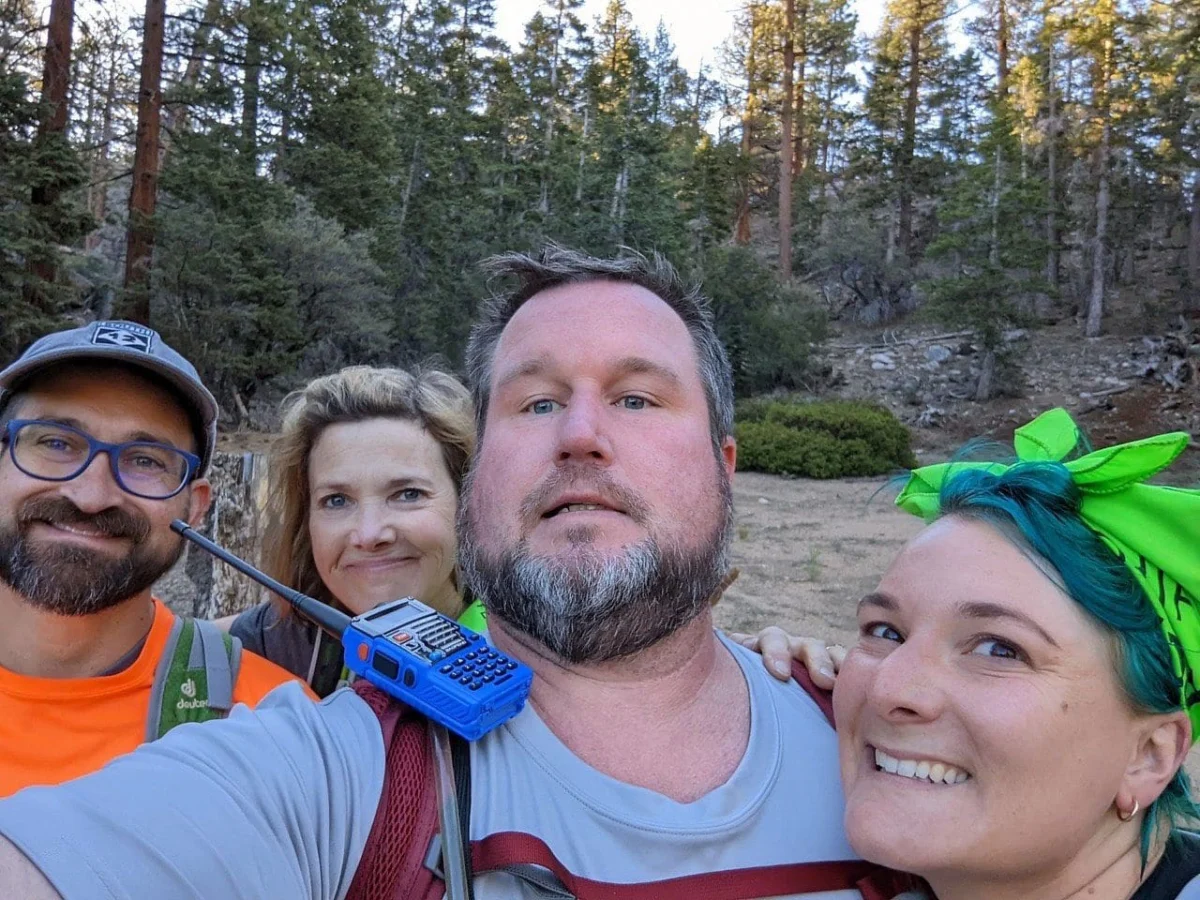
In the realm of philanthropic endurance events, the physical challenge is often matched by the emotional weight of the cause, yet for James and Elizabeth Gunnett, the journey became a catalyst for both a personal union and a lifelong mission. Since 2018, the couple has transformed their individual experiences with grief and mental health struggles into a collective effort to combat pediatric oncology through the CureSearch Ultimate Hike. Their story, which spans from the rugged terrains of the Pacific Crest Trail to the upcoming landscapes of Mt. Tamalpais, serves as a cornerstone for the organization’s efforts to fund groundbreaking research. As the only national endurance hiking program dedicated to childhood cancer, the Ultimate Hike has raised more than $10 million to date, providing a unique intersection of athletic rigor and charitable impact.
The inception of this journey was rooted in a search for meaning during periods of profound personal difficulty. In 2018, James Gunnett was navigating a series of heartbreaking personal losses, seeking an outlet that would allow him to process his grief while contributing to a larger purpose. He was introduced to the Ultimate Hike by Chris Morton, a colleague and longtime coach for the program. Morton’s involvement was deeply personal; his daughter, Violet, is a survivor of liver cancer, and his commitment to the cause served as a primary motivator for James to take his first steps toward the trail.
Simultaneously, Elizabeth was grappling with severe clinical depression. Seeking both a physical challenge to aid her recovery and a supportive community to mitigate her isolation, she attended an information session hosted by CureSearch. The session outlined the dual nature of the Ultimate Hike: a rigorous physical commitment involving a 20-to-30-mile trek in a single day, and a significant fundraising responsibility to support pediatric cancer research. For Elizabeth, the program offered a structured path toward healing.
The Intersection of Resilience and Romance
The 2018 Pacific Crest Trail (PCT) hike proved to be a pivotal moment for both participants. The event was not without its logistical hurdles; shortly before the hike was set to begin, Elizabeth’s hiking boots were stolen, a setback that might have deterred a less committed participant. However, both James and Elizabeth successfully completed the grueling trek. It was during the training sessions and the event itself that the two first connected, finding common ground in their shared resilience and their dedication to the CureSearch mission.
The relationship that began on the trail flourished over the following two years. In a symbolic nod to their origins, James proposed to Elizabeth in 2020 at Big Bear Lake, California, on the very trail system where they had first trained and bonded. The couple officially wed on October 11, 2021. Now approaching their fourth anniversary, the Gunnetts have completed six Ultimate Hikes together, evolving from individual participants into prominent team leaders within the CureSearch community.
Background: The Mission of CureSearch for Children’s Cancer
To understand the significance of the Gunnetts’ commitment, one must examine the broader context of the organization they support. CureSearch for Children’s Cancer is a national non-profit organization that focuses on accelerating the development of new, less toxic treatments for the 42 children diagnosed with cancer every day in the United States. Unlike adult cancers, pediatric cancers are biologically distinct, often requiring specialized research that is frequently underfunded by traditional pharmaceutical avenues.
The Ultimate Hike serves as one of the organization’s primary fundraising engines. The program is designed to challenge hikers both physically and philanthropically. Participants typically spend months training for a single-day hike that covers between 19 and 30 miles, depending on the specific trail and region. This endurance model is intended to mirror the endurance required by children and families undergoing cancer treatment—a "long walk" toward recovery that requires persistence, community support, and significant resources.
Since its inception, the Ultimate Hike has successfully channeled over $10 million into pediatric cancer research. These funds are directed toward various initiatives, including the CureSearch Catapult Awards, which aim to drive promising research out of the laboratory and into clinical trials, and the Young Investigator Awards, which support the next generation of oncology researchers.
Data and Implications: The Landscape of Pediatric Oncology
The urgency of the Gunnetts’ fundraising efforts is underscored by current medical data. According to the National Cancer Institute, cancer remains the leading cause of death by disease among children in the United States. While survival rates for some forms of pediatric cancer, such as certain types of leukemia, have improved significantly over the last several decades, others—such as certain brain tumors and soft tissue sarcomas—remain difficult to treat.
Furthermore, survivors of childhood cancer often face long-term health challenges. Research indicates that by age 50, more than 99% of childhood cancer survivors will have a chronic health problem, and 96% will have a severe or life-threatening condition caused by the toxicity of the treatments they received as children. This reality drives CureSearch’s specific focus on "less toxic" treatments, a mission that James and Elizabeth Gunnett champion through their team, "Bear Snacks."
The "Bear Snacks" team, based in Northern California, represents the communal aspect of the Ultimate Hike. By recruiting new hikers and soliciting donations, the Gunnetts contribute to the $10 million total that has funded over 50 research projects across the country. Their outreach efforts also serve to raise awareness about the "42 children a day" statistic, a figure that remains a central rallying cry for the organization.
Strategic Shift: Moving to Mt. Tamalpais
The California chapter of the Ultimate Hike is currently undergoing a strategic geographic shift. For the upcoming season, the event is moving to Mt. Tamalpais in Marin County. This new location offers a 19-mile trek through diverse ecosystems, including oak woodlands and coastal scrub, providing panoramic views of the Pacific Ocean and the San Francisco Bay.
The move to Marin County is expected to attract a new demographic of hikers while providing a fresh challenge for veterans like the Gunnetts. The logistics of the Mt. Tamalpais hike are rigorous, requiring a dedicated support staff, water stations, and safety protocols to manage a group of hikers traversing significant elevation gains in a single day. This transition reflects the growing scale of the program as it seeks to expand its reach and increase its annual fundraising yields.
Analysis of the Endurance Philanthropy Model
The success of the Gunnetts and the Ultimate Hike highlights the effectiveness of the "endurance philanthropy" model. Sociological and economic analyses of such events suggest that the high barrier to entry—requiring both physical training and a high fundraising minimum—creates a more deeply committed donor base. Participants are not merely writing a check; they are investing months of their lives into the cause, which often leads to multi-year involvement, as seen in the Gunnetts’ seven-year tenure.
Moreover, the psychological benefits of the program cannot be overlooked. For Elizabeth, the hike provided a communal solution to the isolation of depression. For James, it offered a productive channel for grief. The "shared mission" creates a "therapeutic community" where personal trauma is transmuted into social action. This psychological synergy is a key reason why endurance events like the Ultimate Hike maintain high retention rates among participants.
Official Responses and Community Impact
While CureSearch officials have not released a formal statement regarding the Gunnetts’ upcoming hike on Mt. Tamalpais, the organization’s public materials frequently highlight the couple as an exemplar of the program’s "life-changing" potential. The narrative of James and Elizabeth is often used in recruitment efforts to demonstrate that the hike is as much about the "heart" as it is about the "hike."
The impact of their team, Bear Snacks, extends beyond the funds raised. By sharing their story of meeting on the trail and their subsequent marriage, they provide a humanizing element to the data-driven world of medical research. Their journey suggests that while the ultimate goal is to end childhood cancer, the process of working toward that goal can foster profound personal growth and unexpected human connections.
Looking Forward: The Journey Ahead
As the Gunnetts prepare for their fourth year of marriage and their seventh year of involvement with CureSearch, their focus remains steadfast on the 42 children diagnosed daily. They continue to utilize their platform to encourage others to join the "Bear Snacks" team or contribute to the fundraising efforts that fuel pediatric clinical trials.
The upcoming hike at Mt. Tamalpais represents the next chapter in a story that began with two individuals seeking a way out of their own personal darkness. Through the Ultimate Hike, James and Elizabeth Gunnett found a way to light a path for others, proving that the rigors of the trail are a small price to pay for the hope of a cure. The trail, which once served as a place of recovery for their own spirits, now serves as a literal and metaphorical path toward a future where childhood cancer is a thing of the past. For those interested in participating or supporting the cause, the organization maintains its call to action at ultimatehike.org, inviting others to embark on a journey that, as the Gunnetts can attest, might just change their lives forever.
