
 By admin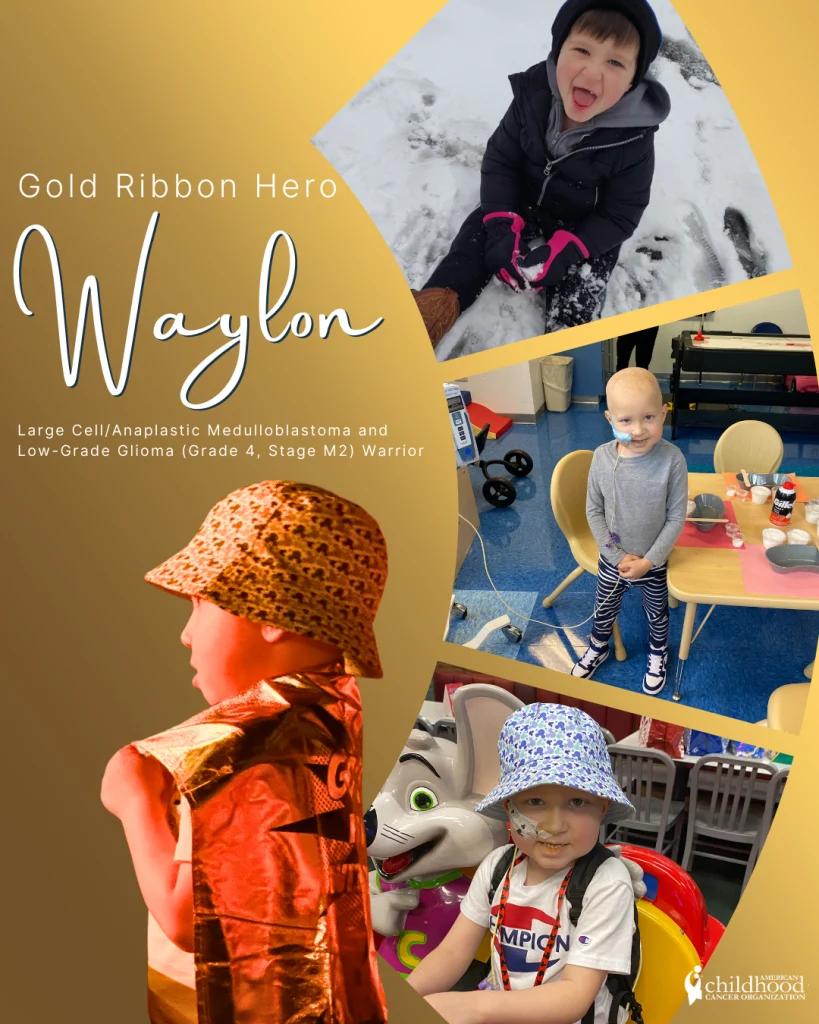
The landscape of pediatric oncology is often defined by grueling clinical schedules and the profound resilience of the youngest patients, a reality personified by five-year-old Waylon, a brain cancer survivor who recently took center stage as an ambassador for the American Childhood Cancer Organization (ACCO). Diagnosed with a rare and aggressive combination of large cell/anaplastic medulloblastoma and low-grade glioma, Waylon’s journey from the onset of symptoms to his participation in the Grand Ole Opry Chili Cook-Off in Nashville, Tennessee, highlights both the severity of pediatric brain tumors and the vital importance of community-based support systems. His role as an ambassador serves as a focal point for a broader national conversation regarding the clinical challenges of Grade 4, Stage M2 malignancies and the critical need for increased funding and awareness for childhood cancer research.
Clinical Presentation and the Path to Diagnosis
The medical trajectory for Waylon began with a series of symptoms that, while common in various childhood illnesses, persisted with a frequency that signaled a more significant underlying pathology. His family reported a progression of continuous headaches, persistent vomiting, and noticeable balance issues—classic "red flag" symptoms associated with increased intracranial pressure. On April 24, 2025, diagnostic imaging and subsequent biopsies confirmed a complex oncological profile: large cell/anaplastic medulloblastoma alongside a low-grade glioma.
The diagnosis of medulloblastoma is particularly significant within the field of pediatric neuro-oncology. As the most common malignant brain tumor in children, medulloblastoma accounts for nearly 20 percent of all pediatric brain tumors. However, the "large cell/anaplastic" subtype identified in Waylon’s case represents a more aggressive histological variant, often associated with a higher risk of recurrence and a more intensive treatment requirement. Furthermore, the classification of the tumor as Stage M2 indicates that the malignancy had progressed to include gross nodular seeding in the cerebellar or cerebral subarachnoid space, or in the third or fourth ventricles. This staging necessitates a multi-modal treatment approach involving surgery, high-dose chemotherapy, and radiation.
A Rigorous Treatment Chronology
Since the initial diagnosis in the spring of 2025, Waylon’s medical regimen has been intensive, reflecting the standard of care for high-risk pediatric brain tumors. The immediate priority following diagnosis was surgical intervention to alleviate pressure and debulk the tumor mass. Waylon underwent two major brain surgeries, procedures that carry significant risks of neurological deficit but are essential for long-term survival.
Following the surgical phase, the treatment plan shifted toward eradicating residual microscopic disease. This included a comprehensive radiation therapy schedule, which Waylon has successfully completed. Radiation in pediatric patients, particularly those under the age of six, is a carefully calibrated process designed to target cancerous cells while minimizing long-term cognitive and developmental impacts on the growing brain.
The third pillar of his treatment has been an extensive chemotherapy protocol. To date, Waylon has completed 33 out of 37 scheduled rounds of chemotherapy. The endurance required for such a regimen is substantial, as these medications often result in severe side effects, including immunosuppression, fatigue, and nutritional challenges. Kayla, Waylon’s mother, described the period following the diagnosis as a time when the family’s "whole world was turned upside down," a sentiment echoed by thousands of families navigating the specialized and often isolating world of pediatric oncology.
The Grand Ole Opry and the Mission of Advocacy
In an effort to bridge the gap between the clinical environment and the community, the American Childhood Cancer Organization partnered with the Grand Ole Opry in Nashville to feature Waylon as an ambassador. This partnership culminated in the Grand Ole Opry Chili Cook-Off, an event designed to foster employee engagement and public awareness for the "Go Gold" campaign, the international color and movement for childhood cancer awareness.
During the event, Waylon and his family were granted an "all-access" experience that included a tour of the historic Grand Ole Opry House, participation in the employee-led chili cook-off, and attendance at a live show. For the Nashville community, the event served as a tangible reminder of the individuals behind the statistics. The Grand Ole Opry, a cornerstone of American country music culture, utilized its platform to highlight the ACCO’s mission, emphasizing that childhood cancer advocacy requires both corporate and grassroots support.
The ambassador program is a strategic component of the ACCO’s outreach. By putting a face to the diagnosis, the organization aims to humanize the data. For Waylon, the experience provided a reprieve from the hospital setting, allowing him to engage in the vibrant cultural atmosphere of Nashville while being celebrated for his bravery rather than his illness.
Supporting Data: The Landscape of Pediatric Brain Tumors
Waylon’s case is part of a broader statistical reality in the United States. According to the National Cancer Institute and the Central Brain Tumor Registry of the United States (CBTRUS), brain tumors are the leading cause of cancer-related deaths among children and adolescents under the age of 19. While the five-year survival rate for medulloblastoma has improved significantly over the last several decades—now hovering between 70 and 80 percent depending on the subtype and stage—the long-term morbidity associated with treatment remains a primary concern for researchers.
The financial and emotional toll on families is equally significant. A study published in the Journal of Clinical Oncology suggests that families of children with cancer face a significantly higher risk of financial toxicity, often due to travel costs, lost wages, and the high price of specialized care. Organizations like the ACCO provide resources to mitigate these burdens, but the systemic need for federal research funding persists. Currently, only a small fraction of the National Cancer Institute’s budget is dedicated specifically to pediatric cancer research, a fact that remains a central point of advocacy for the ACCO and its ambassadors.
Official Responses and Community Impact
While official statements from the medical facilities involved in Waylon’s care remain private due to patient confidentiality laws, the response from the ACCO and the Grand Ole Opry staff has been one of profound admiration. Employees at the Opry noted that hosting Waylon provided a sense of purpose to their annual fundraising efforts. "Seeing Waylon’s strength firsthand changes the way we approach our partnership with the ACCO," one participant noted. "It’s no longer just about a gold ribbon; it’s about a five-year-old boy and his family."
The ACCO has utilized Waylon’s story to further their legislative and awareness goals. By highlighting the specific challenges of Stage M2 medulloblastoma, the organization advocates for the development of more targeted therapies that could potentially reduce the reliance on broad-spectrum chemotherapy and radiation, which can have "late effects" on survivors, such as secondary cancers or endocrine issues.
Broader Implications and Future Outlook
The story of Waylon serves as a microcosm of the current state of pediatric oncology: a blend of high-tech medical intervention, immense personal struggle, and the power of community support. As Waylon nears the completion of his 37-round chemotherapy protocol, his prognosis will continue to be monitored by a multidisciplinary team of oncologists, neurologists, and rehabilitation specialists.
The implications of such high-profile advocacy work are twofold. First, it provides immediate emotional support and "normalcy" for the child and family. Second, it drives the philanthropic engine necessary to fund the next generation of clinical trials. For the Grand Ole Opry, the event reinforces their commitment to social responsibility, aligning one of the most famous stages in the world with a cause that affects families in every demographic.
In conclusion, Waylon’s journey from a diagnostic room in April to the stage of the Grand Ole Opry is a testament to the advancements in modern medicine and the enduring spirit of childhood cancer "warriors." While the medical journey for a Grade 4 brain cancer patient is never truly over, the support of the ACCO and the Nashville community ensures that patients like Waylon do not have to face the battle in isolation. As the "Go Gold" movement continues to gain momentum, the focus remains on ensuring that every child receives the same level of comprehensive care, advocacy, and community recognition afforded to this five-year-old ambassador. Through continued research, early detection awareness, and robust support networks, the goal of the ACCO remains clear: to transform the landscape of childhood cancer from one of survival to one of thriving.
