
 By admin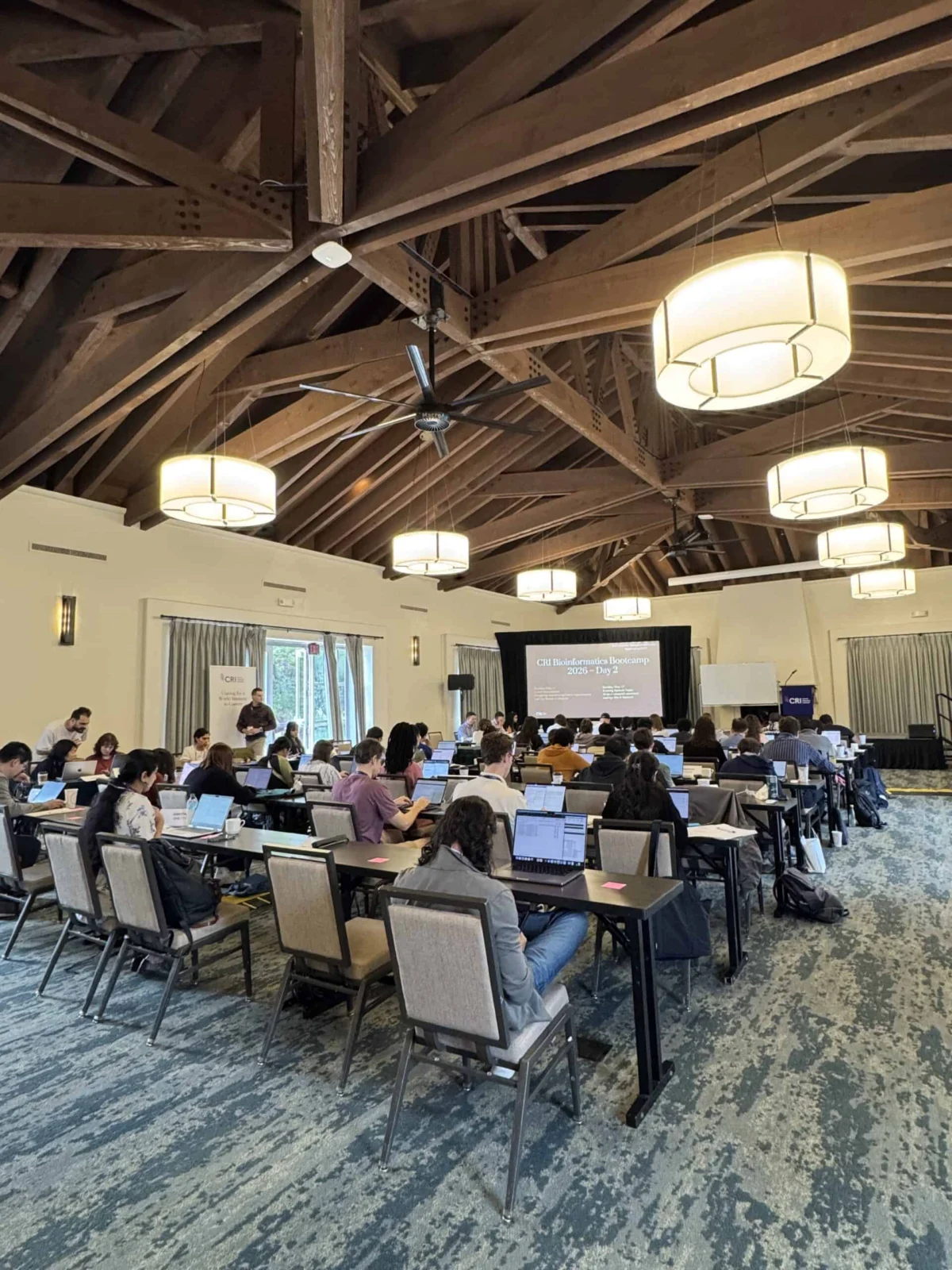
From May 16 to 22, 2026, over 50 fellows and students converged at the prestigious La Cantera Resort in San Antonio, Texas, for a week of intensive, hands-on instruction at the third annual Cancer Research Institute (CRI) Bioinformatics Bootcamp. This immersive training program underscores a critical evolution in cancer research, where the ability to interpret vast biological datasets is becoming as vital as experimental design itself. The event served as a pivotal platform for early-career scientists to acquire and refine the computational prowess necessary to navigate the increasingly data-driven landscape of cancer immunotherapy.
The Genesis of a Critical Program: CRI’s Vision
The Cancer Research Institute (CRI), a non-profit organization dedicated to advancing immunotherapy to conquer all cancers, has long recognized the shifting paradigms in scientific discovery. Founded in 1953, CRI has been a vanguard in supporting groundbreaking research, particularly in the nascent field of immunology and its application to cancer treatment. Over decades, its mission has evolved from foundational immunological studies to spearheading the development and clinical application of immunotherapies, which leverage the body’s own immune system to fight cancer.
The concept for the Bioinformatics Bootcamp emerged from an acute observation: while experimental techniques in immunology and oncology were generating unprecedented volumes of data – from genomic sequences to single-cell profiles – a significant gap existed in the computational literacy required to effectively analyze and extract meaningful insights from these ‘big data’ sets. Traditional scientific training often prioritizes "wet lab" techniques, leaving many talented researchers underequipped for the "dry lab" demands of modern biology. Recognizing this burgeoning need, CRI launched its Bioinformatics Bootcamp three years prior, aiming to bridge this critical divide and foster a new generation of scientists fluent in both experimental and computational methodologies. The program’s rapid growth and the consistent demand for participation highlight its timely relevance and essential role within the cancer research ecosystem.
Bridging the Divide: The Imperative for Bioinformatics in Cancer Research
The contemporary landscape of cancer research is fundamentally reshaped by technological advancements that allow for the generation of massive, complex biological datasets. Next-generation sequencing (NGS), for instance, can map entire genomes or transcriptomes with unparalleled detail, while single-cell technologies provide granular insights into cellular heterogeneity within tumors and their microenvironments. These innovations, while powerful, produce data on a scale that overwhelms manual analysis, necessitating sophisticated computational tools and expertise.
"The Bootcamp is important because it’s really bridging the gap across two fields of the wet lab and the dry lab," explained Christie Chang, a teaching assistant (TA) at the Bootcamp. "As technologies are evolving, we’re generating large data sets, and we need computational tools to be able to understand more complex pictures, more complex data sets, and make more complex discoveries. We’re only learning about cancer because we were able to extend lifespans, and we want to keep extending them. Technology advances so that we can live longer." This statement encapsulates the core philosophy behind the bootcamp: equipping scientists to harness data for accelerating discoveries that directly translate into improved patient outcomes and extended lives.
Industry reports consistently highlight a surging demand for bioinformaticians and scientists with robust computational skills across academia, pharmaceuticals, and biotechnology. The global bioinformatics market, driven by advancements in genomics, proteomics, and drug discovery, is projected to grow significantly in the coming years. This growth underscores the strategic importance of initiatives like the CRI Bioinformatics Bootcamp, which directly addresses a critical workforce development need. Without a cadre of researchers capable of analyzing these vast datasets, the promise of personalized medicine and highly targeted immunotherapies risks remaining unfulfilled.
A Week of Intensive Learning: Curriculum and Methodologies
The CRI Bioinformatics Bootcamp is meticulously designed as an immersive training program. Its curriculum is not merely theoretical but intensely practical, emphasizing hands-on application of key bioinformatics approaches. Participants delve into critical areas fundamental to immunology and oncology research, including:
- Next-Generation Sequencing (NGS) Analysis: This foundational module teaches participants how to process, align, and analyze data generated from RNA-seq, ATAC-seq, and other NGS techniques, uncovering gene expression patterns, regulatory elements, and mutational landscapes crucial for understanding cancer biology.
- Single-Cell Technologies: Given the heterogeneity of tumors and immune responses, single-cell RNA sequencing (scRNA-seq) and similar methods are revolutionizing our understanding. The bootcamp provides training in the specialized computational methods required to analyze these complex datasets, identifying distinct cell populations and their interactions.
- Data Visualization: The ability to effectively visualize complex data is paramount for interpretation and communication. Participants learn to create informative and compelling graphics that distill vast amounts of information into actionable insights.
- Computational Workflows: Beyond individual tools, the bootcamp emphasizes building reproducible and efficient computational pipelines, crucial for managing large-scale projects and ensuring the integrity of research findings.
A unique aspect of the program is the opportunity for attendees to work one-on-one with faculty on their own datasets. This personalized approach ensures that the learning is directly applicable to their ongoing research, fostering immediate integration of new skills into their scientific practice. The emphasis on real-world application transforms abstract concepts into tangible tools, significantly boosting participants’ confidence in tackling complex biological data.
Expert Guidance and Collaborative Learning
The success of the Bootcamp hinges on the caliber of its instructors and the supportive learning environment it cultivates. This year’s faculty comprised five distinguished bioinformatics experts, four of whom have been integral to the Bootcamp since its inception. Their sustained involvement has been crucial in shaping and refining the curriculum, ensuring it remains at the cutting edge of a rapidly evolving field. Their deep expertise and commitment to pedagogical excellence create an unparalleled learning experience.
"When we started the bioinformatics bootcamp just three years ago, we really focused on the basics and the fundamentals of programming," noted Katie Campbell, PhD, one of the faculty members. "With the rapid pace of technology, there’s a rapid pace of the tools available to analyze. We have to think about how we accelerate not just the discovery but the analysis, the everyday, without taking away the necessary thought processes that have to be intrinsic to the fellows as they take on this research." This highlights the dynamic nature of the curriculum, which is constantly updated to reflect the latest advancements and tools.
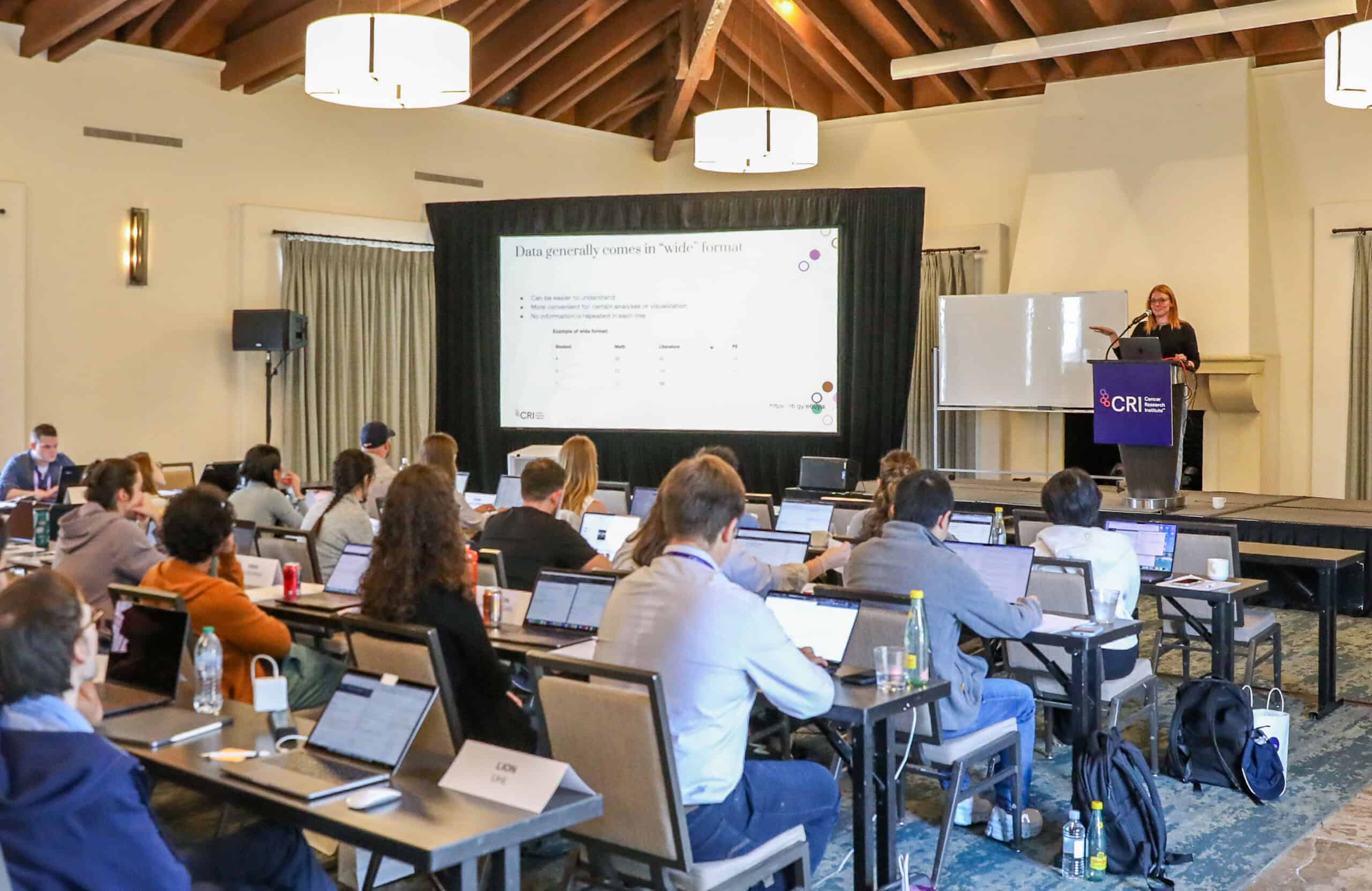
In addition to the core faculty, five dedicated teaching assistants (TAs) with extensive expertise in bioinformatics and computational biology provided invaluable support. These TAs worked closely with participants, offering individualized guidance during hands-on analyses, troubleshooting technical challenges, and reinforcing complex concepts. This robust support system ensures that participants, many of whom come from diverse scientific backgrounds with limited formal computational training, receive the personalized attention needed to succeed. The collaborative atmosphere, fostered by both faculty and TAs, demystifies bioinformatics and makes advanced analytical tools accessible to a broader segment of the cancer research community.
Evolution and Innovation: Adapting to a Dynamic Field
The CRI Bioinformatics Bootcamp is not static; it continually evolves to meet the changing needs of the scientific community. This year, CRI introduced several innovative, topic-focused sessions designed to enrich the participant experience and address emerging trends.
- Lunch-Hour Roundtables: Capped at 18 participants to encourage intimate and engaging discussions, these roundtables delved into crucial topics often overlooked in formal curricula. Subjects included complex experimental design in a bioinformatics context, navigating computational career pathways, strategies for grant planning specifically for bioinformatics-heavy projects, and the critical importance of coding reproducibility in scientific research. These sessions provided practical advice and fostered peer-to-peer learning.
- Additional Evening Sessions: Recognizing the rapid advancements in the field, evening sessions explored timely and cutting-edge topics. One prominent session focused on the burgeoning role of artificial intelligence (AI) in research, discussing its applications, limitations, and ethical considerations in bioinformatics. Another delved into advanced Python coding techniques, equipping participants with more sophisticated programming skills essential for complex data manipulation and analysis.
These thoughtfully curated additions demonstrate CRI’s commitment to providing a comprehensive and forward-looking training experience. They not only enhance technical skills but also address professional development and broader conceptual frameworks, preparing attendees for the multifaceted challenges of modern scientific inquiry.
Participant Perspectives: Impact on Early-Career Scientists
The true measure of the Bootcamp’s impact lies in the experiences and outcomes of its participants. Many attendees, like Maryam Pourmaleki, PhD, a TA at the Bootcamp, underscored the program’s vital role. "In today’s time, a lot of science is moving towards big data," she observed. "Scientists who have phenomenal training in wet lab now need to analyze bigger multimodal data they’re generating, and the Bootcamp is giving those scientists the necessary tools to work with big data." This sentiment resonates deeply with researchers who find themselves at the intersection of traditional biology and the computational demands of contemporary science.
The Bootcamp provides more than just technical skills; it instills confidence and fosters a sense of community. Tara Muijlwijk, PhD, an attendee and CRI Dr. Keith Landesman Memorial Fellow, emphasized the value of stepping back from individual projects. "It’s super important to zoom out from your own research," she stated. "The Bootcamp is really a great way to zoom out and to think about, okay, what am I doing, why am I doing this, and also to connect with other people, which is super important in research." This highlights the program’s role in encouraging critical self-reflection and collaborative networking, essential components of a thriving scientific career.
The shift from ad-hoc learning to systematic training was also a key takeaway. Jia Yu (Jennifer) Ye, PhD, another Bootcamp attendee and CRI Immunoinformatics Postdoctoral Fellow, articulated this clearly: "It’s just such an amazing opportunity offered by CRI to really help learn all of the informatics skills more systematically, rather than just chatting with an AI engine." This underscores the enduring value of structured, expert-led instruction over fragmented, informal learning, particularly in complex fields like bioinformatics. Participants leave not only with enhanced analytical capabilities but also with a greater sense of clarity and purpose in integrating bioinformatics into their own scientific work and collaborations.
Broader Implications: Accelerating Immunotherapy and Beyond
The CRI Bioinformatics Bootcamp represents a strategic investment in the future of cancer research with far-reaching implications. By empowering early-career scientists with advanced computational skills, the program directly contributes to accelerating discoveries in immunotherapy. The ability to meticulously analyze complex datasets from clinical trials, patient samples, and preclinical models is crucial for identifying biomarkers, understanding mechanisms of response and resistance, and ultimately developing more effective and personalized treatments.
The insights gleaned from sophisticated bioinformatics analyses can inform every stage of drug development, from target identification to patient stratification for clinical trials. This translates into more efficient research, reduced development costs, and faster translation of scientific breakthroughs into tangible benefits for patients. Furthermore, by expanding computational literacy across the cancer research community, the program fosters a more interdisciplinary approach to problem-solving, breaking down traditional silos between experimental and computational biologists. This enhanced collaboration is vital for tackling a disease as complex and multifaceted as cancer.
Beyond the immediate impact on cancer research, the Bootcamp contributes to the broader scientific ecosystem by cultivating a highly skilled workforce. These researchers, equipped with cutting-edge analytical tools, are poised to make significant contributions across various biological and biomedical fields, driving innovation and pushing the boundaries of scientific understanding.
CRI’s Enduring Commitment to Scientific Advancement
The CRI Bioinformatics Bootcamp is a powerful manifestation of the Cancer Research Institute’s broader commitment to accelerating progress in immunotherapy through education, innovation, and interdisciplinary collaboration. By fostering curiosity, nurturing collaboration, and building computational confidence, the program equips emerging scientists to push the boundaries of discovery. It is an investment in human capital, recognizing that the ingenuity and capabilities of individual researchers are the ultimate drivers of scientific breakthroughs.
As cancer research continues its rapid evolution, driven by technological advancements and the ever-increasing complexity of biological data, programs like the CRI Bioinformatics Bootcamp will remain indispensable. They serve as vital conduits for knowledge transfer, skill development, and community building, ensuring that the next generation of scientists is not only prepared but also inspired to contribute to the ongoing fight against cancer. The commitment demonstrated by CRI through this annual event reinforces its position as a leader not just in funding research, but in actively shaping the future of scientific inquiry and discovery.
