
 By admin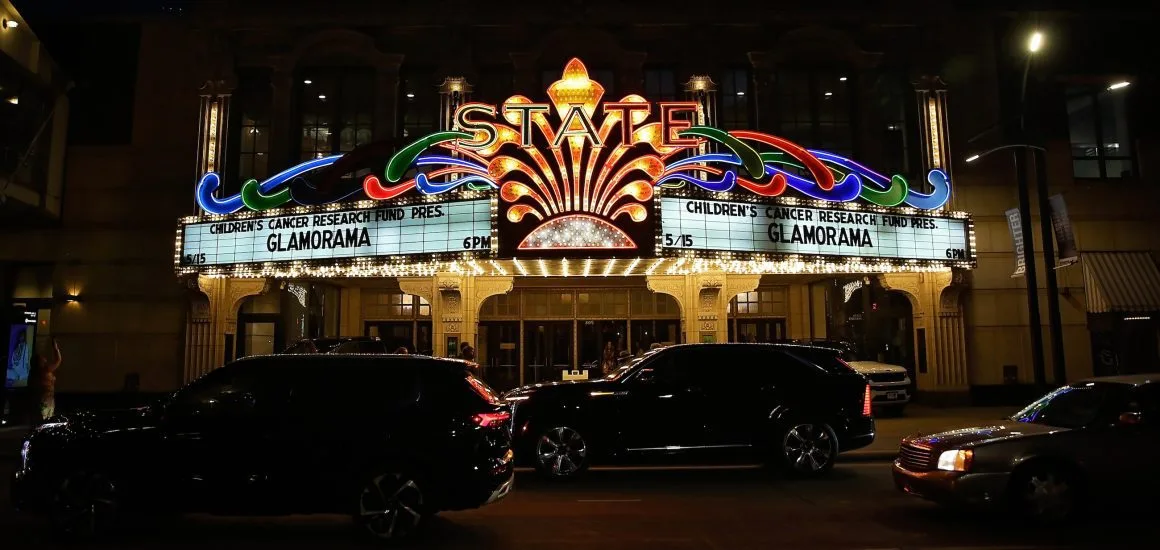
After a hiatus spanning more than a decade, Glamorama has officially returned to the Minneapolis cultural landscape, reclaiming its position as a premier intersection of high fashion, performing arts, and large-scale philanthropy. The event, held at the historic State Theatre, served as a sophisticated fundraising vehicle for the Children’s Cancer Research Fund (CCRF), a Minneapolis-based national nonprofit organization. By transforming the theater into a multi-sensory environment, organizers sought to bridge the gap between the event’s storied legacy and the contemporary needs of pediatric oncology research. The evening was characterized by a fusion of avant-garde runway presentations, nostalgic musical performances, and a focused mission to address the funding disparities currently facing childhood cancer studies.
The Evolution and Resurgence of Glamorama
Glamorama’s history is deeply rooted in the retail and social fabric of the Twin Cities. Originally launched by the Dayton’s department store company, the event evolved over decades into a major production that toured multiple cities, eventually coming under the stewardship of Marshall Field’s and later Macy’s. At its peak in the 1990s and early 2000s, Glamorama was recognized as one of the largest fashion events of its kind in the United States, known for bringing international designers and chart-topping musical acts to the Midwest.
Following the 2014 season, the event was discontinued as retail landscapes shifted and corporate priorities changed. However, the brand remained a powerful memory for the Minneapolis community. The decision to revive Glamorama in 2024 was not merely a nostalgic exercise but a strategic move by the Children’s Cancer Research Fund to create a high-visibility platform for its mission. This iteration of the event moved away from the traditional department-store model, instead positioning itself as an independent, community-driven gala that leveraged the creative direction of Grant Whittaker, a longtime collaborator of both Glamorama and CCRF.
The 2024 return focused on a "visionary direction" that prioritized storytelling over simple product placement. By centering the production on the imaginations of five specific pediatric cancer survivors and patients—Fritz, Isaac, Valerie, Anikah, and Alice—the organizers created a direct emotional and narrative link between the spectacle on stage and the medical research the event supports.
Creative Direction and Artistic Execution
The production at the State Theatre was structured as an immersive journey, moving through various "worlds" inspired by the five children. Grant Whittaker, acting as the creative architect, utilized a blend of vibrant color palettes, complex textures, and professional choreography to bring these concepts to life. Unlike traditional fashion shows that utilize a linear runway, the 2024 Glamorama utilized the entire volume of the State Theatre, incorporating set designs that mirrored the "rich textures and nostalgic nods" mentioned by attendees.
The fashion segments featured a mix of local boutiques and national labels, including contributions from 50th and France, Grethen House, Fashion Avenue, and MartinPatrick3. The couture presented was not limited to seasonal trends but was curated to reflect the thematic elements of the children’s stories. This approach underscored a broader trend in the philanthropy sector where "experience-based fundraising" is increasingly used to engage younger donors and maintain long-term interest in charitable causes.
Adding to the event’s atmospheric depth were performances by house music icons CeCe Peniston, Crystal Waters, and Robin S. Their presence served a dual purpose: providing a high-energy soundtrack for the runway segments and invoking the "iconic past" of Glamorama’s heyday in the 1990s. The inclusion of these artists resonated with a demographic of donors who remembered the original iterations of the show, while their enduring influence in dance music provided a contemporary energy that appealed to new audiences.
The Critical Need for Childhood Cancer Research Funding
While the evening was a celebration of style and art, the underlying impetus was the urgent need for pediatric cancer research funding. According to data from the National Cancer Institute, while cancer is the leading cause of death by disease among children in the United States, pediatric oncology receives a disproportionately small fraction of federal research dollars. Estimates suggest that only about 4% of the National Cancer Institute’s annual budget is dedicated specifically to childhood cancers.
The Children’s Cancer Research Fund aims to fill this gap. Since its inception, CCRF has contributed over $200 million to research, education, and family support services. The funds raised during Glamorama are slated to support several key areas:
- Seed Grants for Innovative Research: Providing initial funding for researchers with "high-risk, high-reward" ideas that may be too early-stage for federal grants.
- Clinical Trials: Expanding access to new treatments for children who have not responded to standard therapies.
- Survivorship Programs: Addressing the long-term health effects that often follow aggressive childhood cancer treatments, including heart disease and secondary cancers.
Elizabeth Allen, CEO of the Children’s Cancer Research Fund, emphasized that the event’s impact extends beyond the immediate financial totals. "Glamorama is more than one night of giving," Allen stated. "It brings people into our mission, sparks meaningful connections, and builds lasting momentum for childhood cancer research." This sentiment highlights the role of large-scale events in "mission-building," where the goal is to convert one-time attendees into lifelong advocates for the cause.
Strategic Partnerships and Community Involvement
The successful return of Glamorama was contingent upon a broad coalition of corporate and local sponsors. The 2024 event saw a significant level of engagement from the Twin Cities business community, reflecting a vested interest in both the local arts scene and the success of CCRF.
Sponsors included diverse industries, ranging from retail and design to automotive and grocery sectors. Notable contributors included:
- Retail and Fashion: 50th and France, Grethen House, Fashion Avenue, Opitz, and MartinPatrick3.
- Design and Lifestyle: Martha Dayton Design, Landscape Structures, and Odele.
- Consumer Goods and Services: Kowalski’s Markets and Park Chrysler Jeep.
The involvement of these entities suggests a robust recovery for Minneapolis’s event economy. By sponsoring segments of the show, these businesses helped offset production costs, ensuring that a higher percentage of ticket sales and donations could be directed toward medical research. The collaboration also involved a massive logistics team, including designers, volunteers, crew members, and talent, all of whom contributed to the seamless execution of a complex, multi-act production.
Analysis of Implications for the Twin Cities and Philanthropy
The return of Glamorama carries several implications for the region. First, it signals a revitalization of the Minneapolis downtown theater district. The use of the State Theatre for a high-profile, sold-out event provides a positive economic indicator for the city’s central business district, which has been working to regain its pre-pandemic vibrancy.
Second, the event represents a shift in how large-scale nonprofits approach fundraising. In an era where traditional gala dinners can sometimes struggle to maintain engagement, the "spectacle" model of Glamorama offers a more dynamic alternative. By integrating high-level entertainment with a clear philanthropic message, CCRF is able to reach a broader audience than a standard charity auction might.
Furthermore, the thematic focus on "imagination" and the personal stories of patients like Fritz, Isaac, Valerie, Anikah, and Alice serves to humanize the data and statistics of cancer research. As Kenna Dooley, CCRF Chief Development Officer, noted, the night was "inspired by five incredible kids," turning the abstract concept of "research" into the tangible goal of "changing what’s possible for kids and families."
Conclusion and Future Outlook
The 2024 iteration of Glamorama has successfully bridged a decade-long gap, proving that the brand still holds significant cultural capital in the Twin Cities. By modernizing the format and aligning it strictly with a charitable mission, the Children’s Cancer Research Fund has created a sustainable template for future events.
The success of the evening will likely be measured not just in the dollars raised, but in the "lasting momentum" described by Elizabeth Allen. As the organization processes the proceeds from the event, the focus will shift back to the laboratories and clinics where the real work of Glamorama—ending childhood cancer—takes place. For the Minneapolis community, the return of this iconic event serves as a reminder of the power of collective action, proving that through the union of fashion, music, and philanthropy, significant strides can be made in the fight against pediatric disease.
The legacy of Glamorama, once defined by department store glamour, is now being rewritten as a legacy of hope and scientific progress. As the Twin Cities looks forward to the next chapter of this event, the focus remains clear: supporting the researchers and families who are working to ensure that every child has the opportunity to see their imagination brought to life in a world free of cancer.
