
 By Nana O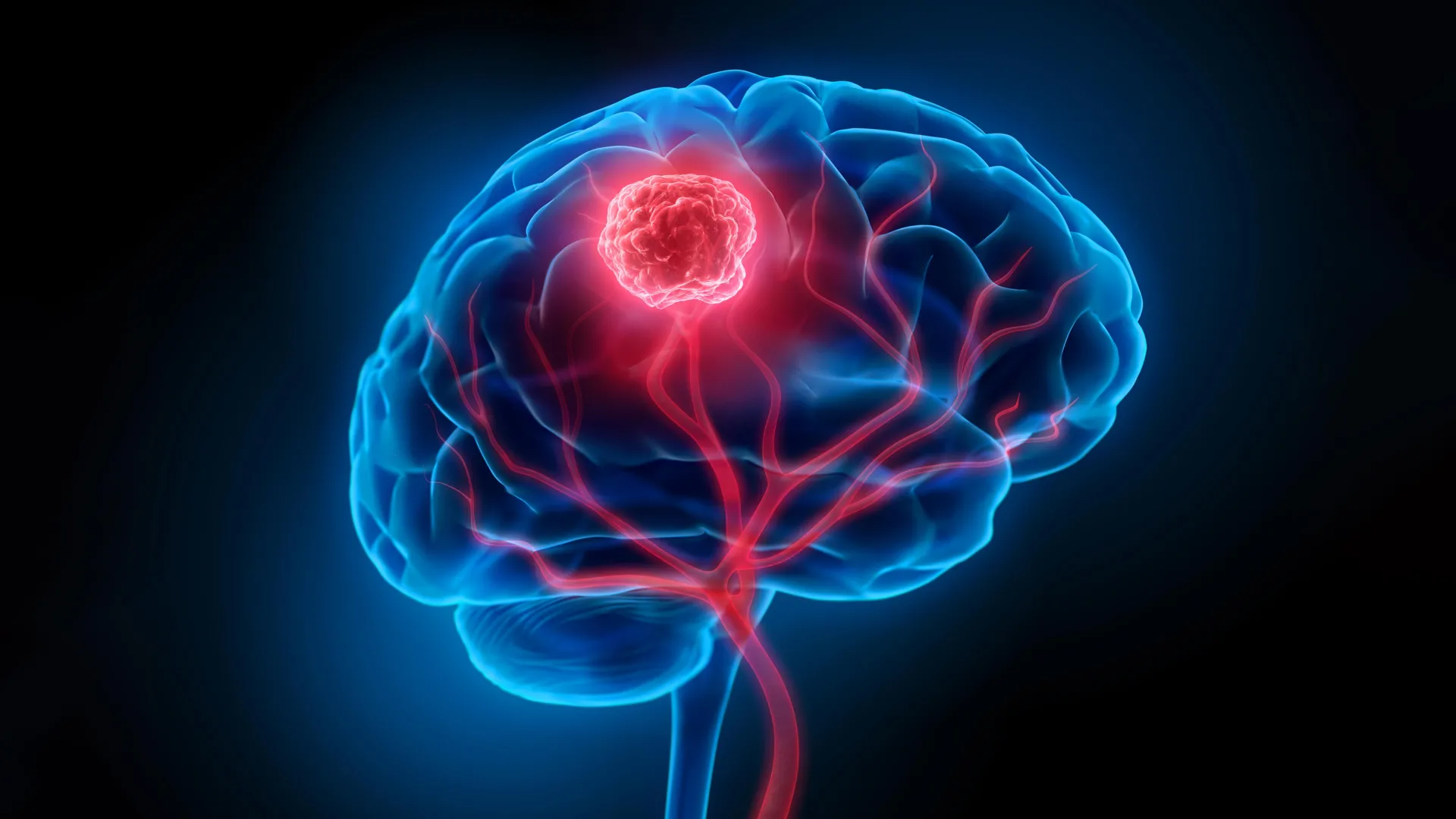
IDH-mutant glioma, a formidable and the most prevalent malignant brain tumor afflicting adults under the age of 50, presents a persistent therapeutic challenge, largely due to its aggressive nature and tendency to recur even after extensive treatment. For years, the cornerstone of clinical intervention has revolved around the surgical removal of the tumor mass as visualized through advanced imaging techniques. However, groundbreaking research emanating from South Korea is poised to fundamentally alter this understanding, revealing that this conventional approach may be overlooking the disease’s insidious beginnings, an initial phase that unfolds long before any tumor becomes discernible.
A collaborative endeavor by scientists from the Korea Advanced Institute of Science and Technology (KAIST) and Yonsei University Severance Hospital has identified that the earliest detectable signs of IDH-mutant glioma may originate not from a pre-existing abnormality, but from seemingly healthy brain cells. These cells, upon acquiring the specific IDH mutation, can then silently proliferate and disseminate throughout the brain’s intricate cortical network. This discovery offers a compelling explanation for the enduring difficulty in eradicating these cancers and simultaneously illuminates promising new avenues for earlier diagnostic strategies and the prevention of post-treatment recurrence.
Tracing the Malignant Dawn: From Healthy Cells to Tumor Genesis
The joint research team, spearheaded by Professor Jeong Ho Lee of KAIST’s Graduate School of Medical Science and Engineering and Professor Seok-Gu Kang of Yonsei University Severance Hospital, announced their pivotal findings on January 9th. Their meticulous investigation successfully pinpointed the cellular origin of IDH-mutant glioma, tracing its genesis back to Glial Progenitor Cells (GPCs) that are a normal component of healthy brain tissue.
Glial Progenitor Cells (GPCs) are a crucial population of cells within the adult brain, acting as precursors that can differentiate into various glial cell types, including astrocytes and oligodendrocytes, which are vital for neuronal support and function. Under normal circumstances, these cells play a critical role in brain maintenance and repair. However, the KAIST and Yonsei University study demonstrates that if these GPCs acquire specific genetic mutations, such as the IDH mutation, they can embark on a path towards malignancy, becoming the initial spark for brain tumor development.
To arrive at this profound conclusion, the researchers undertook an exhaustive examination of tumor samples meticulously collected during extensive surgical resections. Crucially, their analysis extended beyond the visibly cancerous tissue to include adjacent brain regions that, to the naked eye and even standard pathological examination, appeared entirely healthy. The startling revelation was the presence of cells bearing the IDH mutation within these morphologically normal brain areas, suggesting that the disease process had initiated in an undetected and seemingly innocuous environment.
The Gradual Unfolding: A Multi-Year Evolution of Brain Tumors
These groundbreaking findings provide the first unequivocal evidence that malignant brain tumors, particularly IDH-mutant gliomas, do not manifest as sudden, instantaneous events. Instead, the research strongly suggests a protracted and gradual developmental trajectory. The process appears to begin discreetly within normal brain tissue, with mutated cells silently evolving over potentially many years before accumulating to form a detectable tumor mass. This slow, stealthy progression underscores the limitations of diagnostic methods that rely solely on identifying a macroscopic tumor.
To rigorously confirm the identity of these early-stage mutated cells, the research team employed "spatial transcriptomics." This cutting-edge analytical technology allows scientists to simultaneously map gene expression patterns and pinpoint the precise spatial location of these activities within a tissue sample. By applying this sophisticated technique, the researchers were able to definitively confirm that the mutation-carrying cells were indeed Glial Progenitor Cells (GPCs) situated within the cerebral cortex, the brain’s outermost layer responsible for higher-level cognitive functions.
Further validating their findings, the team successfully replicated key aspects of brain tumor development in animal models. By introducing the identical genetic "driver mutation" – the IDH mutation – found in human patients into the GPCs of mice, they were able to recapitulate critical stages of the tumor initiation and progression process, thereby strengthening the biological plausibility of their human study results. This animal model work is crucial for understanding the sequence of events and potential therapeutic targets at these earliest stages.
Distinct Origins, Divergent Pathways: Understanding Brain Cancer Heterogeneity
This latest research builds upon a significant prior discovery by the same research group. In a landmark study published in Nature in 2018, Professor Lee’s team reported that IDH wildtype glioblastoma, another highly aggressive and distinct form of brain cancer, originates from neural stem cells located in the subventricular zone. This region is known as a primary source of new brain cells in the adult brain.
The current findings highlight a critical distinction: while both IDH wildtype glioblastoma and IDH-mutant glioma are classified as malignant brain tumors, they arise from different cellular precursors and initiate in separate anatomical locations within the brain. This divergence underscores the inherent heterogeneity of brain cancers and emphasizes that a one-size-fits-all approach to diagnosis and treatment is unlikely to be effective. Each subtype may follow its own unique biological pathway, requiring tailored therapeutic strategies.
Paradigm Shift: Implications for Early Detection and Recurrence Suppression
The profound implications of this research extend directly to the realm of clinical oncology. Professor Seok-Gu Kang, a co-corresponding author of the study, articulated the significance of this conceptual shift: "Brain tumors may not start exactly where the tumor mass is visible. A target approach focused on the origin cells and the site of origin according to the brain tumor subtype will serve as a crucial clue to changing the paradigm of early diagnosis and recurrence suppression treatment."
This new understanding suggests that current diagnostic methods, which primarily rely on detecting macroscopic tumor growth, may be missing the window of opportunity for intervention. The presence of mutated GPCs in seemingly normal tissue implies that interventions aimed at eradicating these nascent cancer cells could potentially prevent tumor formation altogether or significantly delay its onset.
In direct response to these findings, significant efforts are already underway. Sovagen Co., Ltd., a faculty startup established by KAIST, is actively developing an innovative RNA-based drug therapy. This novel therapeutic agent is designed to specifically target and slow or halt the progression and recurrence of IDH-mutant malignant brain tumors, leveraging the newly acquired knowledge about their cellular origins. Concurrently, Severance Hospital is actively pursuing the development of advanced technologies for the early detection and control of these early-stage mutant cells. This initiative is part of the collaborative Korea-US Innovative Result Creation R&D project, fostering international cooperation in tackling complex medical challenges.
The Spark of Inquiry: A Neurosurgeon’s Question Fuels Discovery
The journey to this significant discovery was reportedly ignited by a fundamental question that drove the research. Dr. Jung Won Park, a neurosurgeon and the study’s sole first author, currently a postdoctoral researcher at KAIST’s Graduate School of Medical Science and Engineering, emphasized the synergistic collaboration that made this work possible. "This achievement was made possible by combining KAIST’s world-class basic science research capabilities with the clinical expertise of Yonsei Severance Hospital," Dr. Park stated. "The question I kept asking while treating patients – ‘Where does this tumor originate?’ – was the starting point of this research."
This sentiment highlights the critical importance of bridging the gap between fundamental scientific inquiry and clinical practice. The insights gained from observing patient outcomes and grappling with treatment limitations in the operating room can serve as powerful catalysts for scientific investigation, leading to transformative breakthroughs.
The comprehensive findings of this pivotal research were officially published on January 8th in the prestigious scientific journal Science, marking a significant contribution to the field of neuro-oncology and providing a roadmap for future research and therapeutic development.
Sustained Support for Innovation: Funding and Collaborative Efforts
The groundbreaking research that has unveiled the earliest stages of IDH-mutant glioma was made possible through substantial and diverse funding sources, underscoring a concerted effort to advance our understanding of complex neurological diseases. Key financial support was provided by the Suh Kyung-bae Science Foundation, a prominent entity dedicated to fostering scientific excellence in South Korea.
Further crucial backing came from the National Research Foundation of Korea, a government agency tasked with promoting and supporting scientific research and development across the nation. The Ministry of Science and ICT, along with the Ministry of Health and Welfare, also contributed significant funding, recognizing the public health implications and potential impact of this research. Additionally, the Korea Health Industry Development Institute, through its Physician-Scientist Training Program, played a role in supporting the integrated clinical and research efforts that were central to this discovery. This multifaceted financial support network underscores the commitment of various national and private bodies to fostering high-impact scientific innovation in South Korea.
Broader Implications for Cancer Research and Treatment
The revelation that IDH-mutant gliomas originate from seemingly normal cells long before tumor formation has far-reaching implications beyond this specific cancer type. It suggests that many other cancers, particularly those with a high rate of recurrence, might also have similarly hidden early stages. This paradigm shift could necessitate a re-evaluation of diagnostic strategies and therapeutic targets across a broader spectrum of oncological diseases.
The development of RNA-based drugs, as pursued by Sovagen Co., Ltd., represents a promising frontier in cancer therapy. These drugs can be designed with remarkable specificity, potentially targeting mutated cells without harming healthy tissue, thus minimizing side effects. If successful in clinical trials, such therapies could offer a significant improvement in quality of life for patients and a more effective means of disease control.
Furthermore, the ongoing work on early detection technologies is crucial. The ability to identify the presence of cancer-driving mutations at a cellular level, before a tumor mass has formed, could revolutionize cancer screening and prevention. This could lead to interventions that are less invasive and more effective than current treatment modalities, potentially eradicating the disease at its nascent stages and offering a path towards a future where brain tumors are detected and managed far earlier in their trajectory. The successful integration of basic science research with clinical application, as exemplified by this South Korean team, offers a powerful model for future medical advancements globally.
