
 By Lina carolina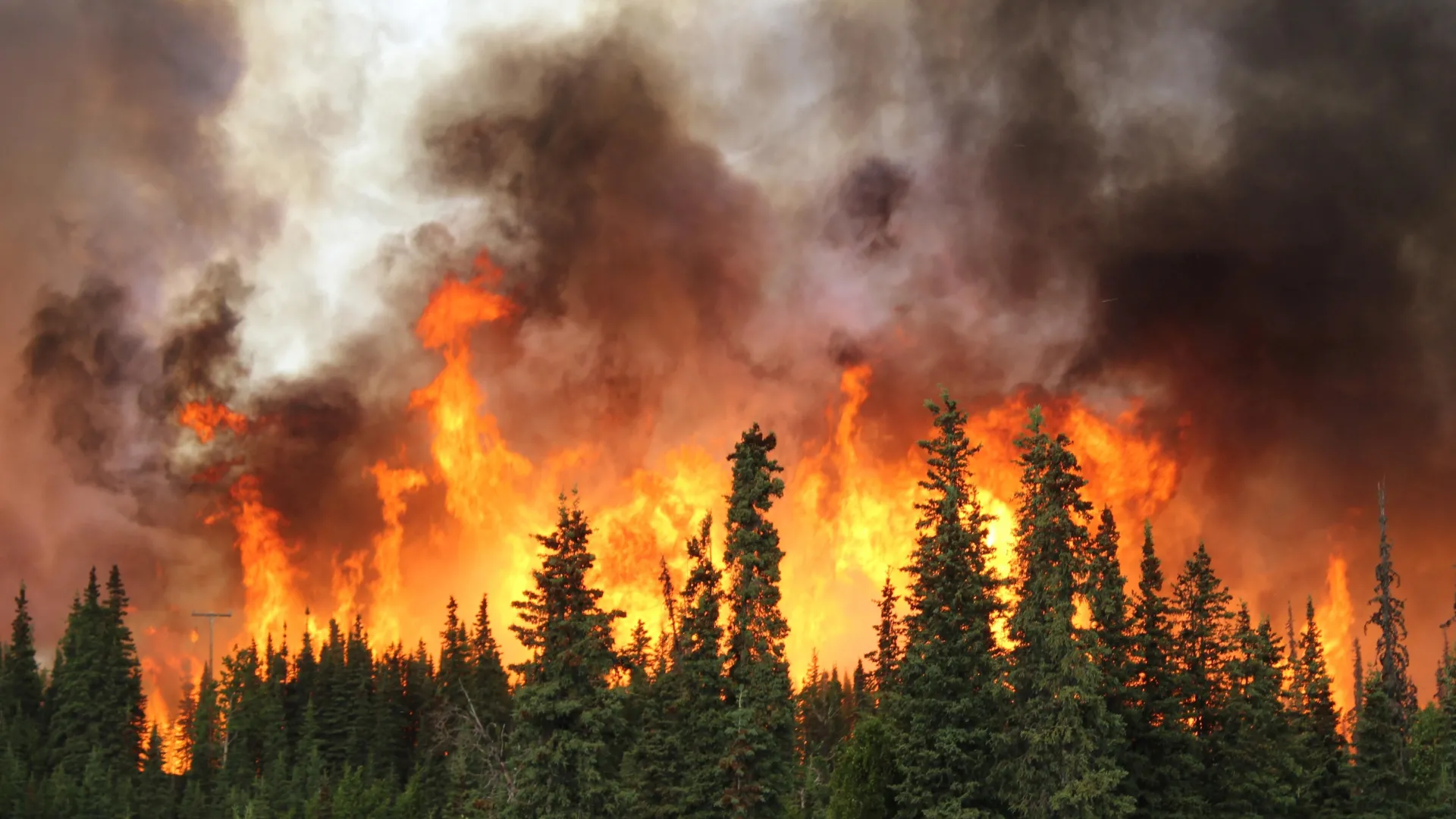
Wildfires burning across Canada and the Western United States are spewing smoke over millions of Americans, marking an alarming trend of ashy haze becoming a regular experience with health impacts far greater than previously understood. A groundbreaking study published in the journal Nature reveals that continued global warming could lead to approximately 30,000 additional deaths annually nationwide by 2050 due to climate-driven increases in fire activity and subsequent smoke pollution across the continent. This alarming projection underscores a significant gap in current climate impact assessments, which have largely overlooked the profound and escalating health consequences of wildfire smoke.
The Escalating Reality of Wildfire Smoke
While wildfires have historically been a natural component of ecosystems in the Western United States, the current era of intensified fire activity is a direct consequence of a warming planet. Increasingly warmer and drier conditions are creating a perfect storm for larger, more frequent, and longer-lasting blazes. The resulting smoke, laden with a complex cocktail of pollutants, is now traveling farther and lingering longer than ever before.
"There’s a broad understanding that wildfire activity and wildfire smoke exposure are changing quickly," stated senior study author Marshall Burke, a professor of environmental social sciences at the Stanford Doerr School of Sustainability. "This is a lived experience, unfortunately, for folks on the West Coast over the last decade and folks on the East Coast in the last few years. Our paper puts some numbers on what that change in exposure means for health outcomes, both now and in the future as the climate warms."
The research indicates that no community in the U.S. is immune to the pervasive reach of wildfire smoke. When the economic cost of these health impacts is quantified, deaths related to wildfire smoke pollution could surge to an astonishing $608 billion in annual damages by 2050, assuming a "business-as-usual" emissions scenario where global temperatures rise approximately 2 degrees Celsius above pre-industrial levels. This staggering figure eclipses current estimates for all other climate-driven economic damages in the U.S. combined, including those related to extreme temperatures, agricultural losses, and storm damage.
"What we see, and this is consistent with what others find, is a nationwide increase in wildfire smoke," confirmed lead study author Minghao Qiu, an assistant professor at Stony Brook University, who conducted the research as a postdoctoral scholar in Burke’s lab. "There are larger increases on the West Coast, but there’s also long-range transport of wildfire smoke across the country, including massive recent smoke events in the Eastern and Midwestern U.S. from Canadian fires."
Uniquely Dangerous Pollution: The Chemical Cocktail of Wildfire Smoke
The lethality of wildfire smoke stems from its composition. These infernos release a complex mixture of chemicals, exposing vast populations to toxic pollutants for extended periods. The study highlights that these exposures can contribute to mortality for up to three years after the initial inhalation.
While scientists have extensively studied the health effects of fine particulate matter, or PM2.5, from other sources like industrial emissions and vehicle exhaust, the specific dangers posed by PM2.5 originating from wildfire smoke have remained less understood. Recent research, however, has begun to illuminate the presence of a wider array of toxic chemicals within wildfire smoke, posing significant risks to human health.
Qiu, Burke, and their colleagues employed a sophisticated methodology to assess these amplified risks. They meticulously combined county-level U.S. death records from 2006 to 2019 with comprehensive data on ground-level smoke emissions, wind patterns, and the atmospheric transport of particulate matter. Utilizing advanced machine learning techniques, they were able to predict how changes in wildfire emissions in one region would influence smoke concentrations in others. This allowed them to link variations in smoke exposure to historical mortality rates. Furthermore, they integrated global climate models to project future fire activity, subsequent smoke levels, and their associated health impacts under various warming scenarios through 2050.
Stark Projections for Future Health Burdens
The findings paint a sobering picture of the future. Under a business-as-usual emissions scenario, excess deaths attributable to smoke PM2.5 exposure are projected to increase by over 70%, rising from an estimated 40,000 annual deaths during the 2011-2020 decade to approximately 70,000 deaths per year by 2050.
The study identifies specific states that are likely to bear the brunt of this escalating health crisis. California is projected to see the largest increase in annual smoke exposure deaths, with an additional 5,060 fatalities. Other states facing significant increases include New York (1,810 additional deaths), Washington (1,730), Texas (1,700), and Pennsylvania (1,600). This widespread impact, even in states not typically associated with major wildfire events, underscores the far-reaching consequences of smoke transport.
Understanding the True Cost: A Hidden Tax on Society
By quantifying the economic damages stemming from smoke-related mortality, the research uncovers a substantial, yet often overlooked, economic burden on both families and businesses. The implications are profound: even if the world significantly curbs emissions to stabilize global temperatures below 2 degrees Celsius by the end of the century, U.S. deaths from climate-driven smoke exposure are still likely to exceed 60,000 annually by 2050.
"If you look at the leading climate impact assessment tools that are used to inform policy, none of them incorporate how changes in climate could influence wildfire smoke and related human mortality," Qiu emphasized. "Our study shows climate models are missing a huge part of the climate impacts in the U.S. – it’s like leaving the main character out of a movie."
This oversight means that current policy decisions and preparedness strategies may be inadequately addressing a critical facet of climate change’s impact on public health and the economy. The inclusion of wildfire smoke’s health consequences in climate models is crucial for developing comprehensive and effective mitigation and adaptation plans.
A Shared Burden and Paths to Mitigation
The growing threat of wildfire smoke necessitates proactive measures from public health officials and communities alike. Strategies to mitigate this escalating crisis are multifaceted. Investing in advanced indoor air filtration systems can provide crucial protection for vulnerable individuals and communities during smoke events. Furthermore, implementing proactive land management practices, such as prescribed burns and fuel reduction efforts, can help reduce the intensity and frequency of wildfires, thereby lessening the severity of subsequent smoke waves.
"Our understanding of who is vulnerable to this exposure is much broader than we thought," Burke stated. "It’s pregnant people, it’s kids in schools, it’s anyone with asthma, it’s people with cancer. We look at one specific health outcome in this study – mortality – and unfortunately find a shared burden of exposure for individuals across the U.S."
The study’s findings, supported by a consortium of researchers from institutions including Stanford University, Stony Brook University, the University of California, San Diego, the University of Washington, Princeton University, the National Oceanic and Atmospheric Administration, and the National Bureau of Economic Research, represent a critical step forward in understanding the complex interplay between climate change, wildfire activity, and human health. Funding for this vital research was provided by the Keck Foundation, Stanford’s Center for Innovation in Global Health, Stony Brook University, the Harvard University Center for the Environment, and the Stanford Research Computing Center.
Broader Implications and Future Directions
The implications of this research extend beyond immediate health concerns. The economic toll, measured in billions of dollars annually, highlights the tangible financial consequences of inaction on climate change. This "hidden tax" disproportionately affects vulnerable populations, exacerbating existing health and economic disparities.
The study’s methodology, which combines observational data with advanced modeling techniques, provides a robust framework for future research. It calls for greater integration of atmospheric science and public health data into climate change impact assessments. The researchers advocate for the development of more sophisticated early warning systems for smoke events and public health advisories that are tailored to the specific risks posed by wildfire smoke.
As wildfire seasons become more predictable and intense, communities will need to adapt. This includes developing emergency preparedness plans that account for prolonged periods of poor air quality, providing accessible resources for air filtration and indoor sheltering, and educating the public about the health risks associated with smoke exposure. The long-term health effects, including potential impacts on chronic respiratory and cardiovascular conditions, warrant further investigation.
In conclusion, the escalating frequency and intensity of wildfires, driven by climate change, present a profound and underestimated threat to public health and economic stability across North America. The Stanford-led study provides crucial data and analysis, demanding a reevaluation of how climate impacts are assessed and addressed, and underscoring the urgent need for comprehensive action to mitigate climate change and adapt to its unavoidable consequences. The ashy haze may be a visible manifestation, but the invisible threat to health and well-being is far more pervasive and demands our immediate attention.
