
 By George Ongkojoyo
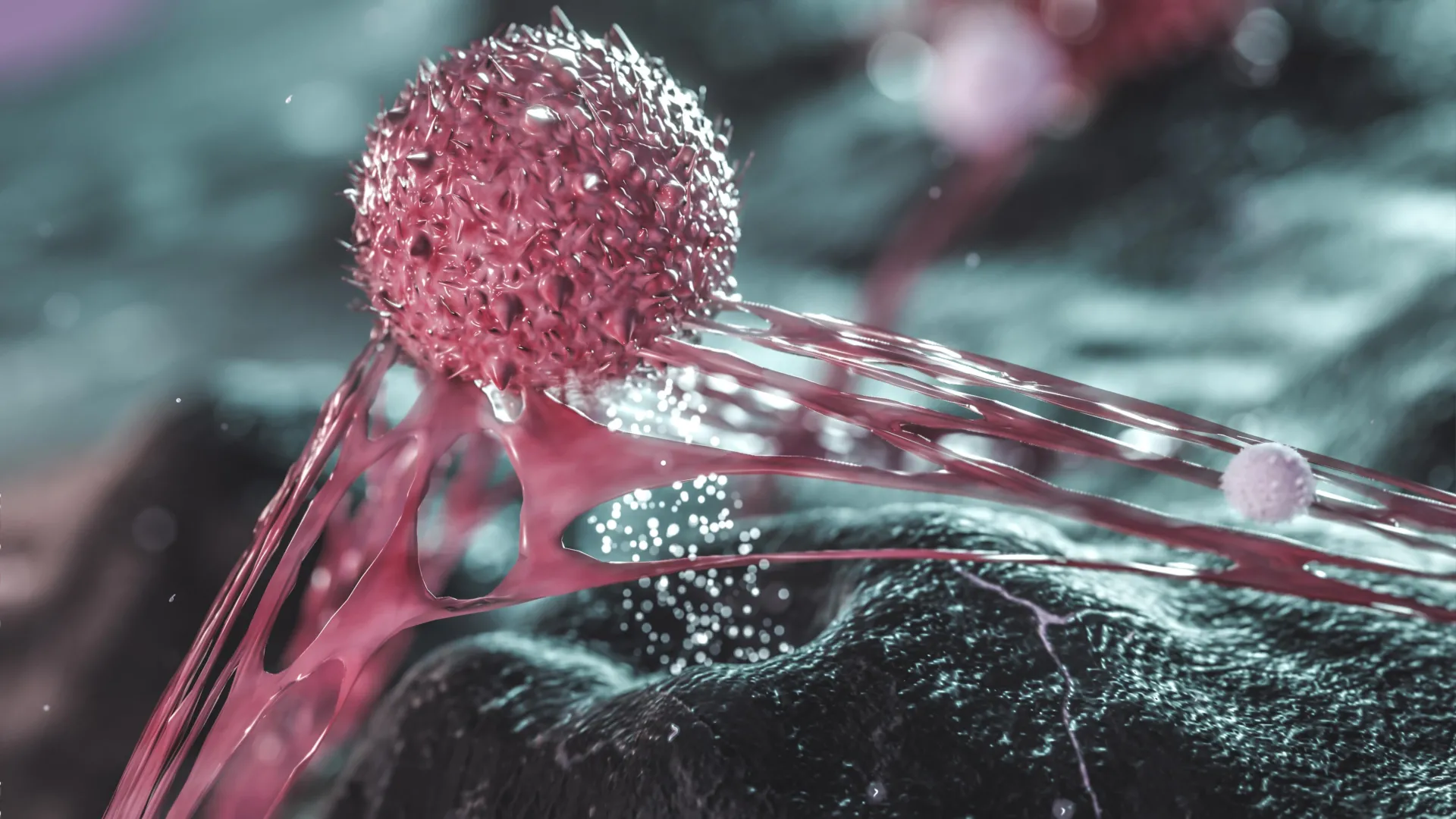
A multi-institutional research initiative led by the MRC Laboratory of Medical Sciences (LMS), Imperial College London, and the UCL Genetics Institute has achieved a significant breakthrough in oncology by constructing a comprehensive cellular atlas of breast tumors. This research, published in the peer-reviewed journal Genome Medicine, provides a high-resolution view of the internal architecture of tumors, specifically identifying distinct geographical regions within the cancerous mass that house either rapidly dividing cells or "quiescent" dormant cells. The study reveals that these dormant cells are not randomly scattered but are strategically clustered within protective "neighborhoods" composed of specific immune and connective tissue cells. These surrounding cells appear to function as a biological shield, potentially safeguarding the cancer cells from the very treatments designed to eradicate them.
The implications of this discovery are profound for the future of precision medicine. Currently, the majority of chemotherapy protocols are designed to target cells that are actively proliferating. By identifying and mapping the environments that allow dormant cells to persist, the research team has provided a roadmap for a new generation of cancer therapies. These future treatments may need to adopt a dual-pronged approach: aggressively attacking fast-growing tumor segments while simultaneously dismantling the protective niches that harbor dormant cells, thereby significantly reducing the long-term risk of disease recurrence.
The Challenge of Intratumoral Heterogeneity
Breast cancer remains one of the most significant health challenges globally, affecting approximately one in eight women during their lifetime. While early detection and modern therapeutics have vastly improved survival rates, the specter of relapse remains a primary concern for patients and clinicians alike. One of the greatest hurdles in achieving a permanent cure is intratumoral heterogeneity—the fact that a single tumor is not a uniform mass of identical cells, but rather a complex, evolving ecosystem of diverse cell types with varying behaviors and vulnerabilities.
Within this ecosystem, the coexistence of proliferative and quiescent cells creates a tactical advantage for the disease. Proliferative cells drive the immediate growth and expansion of the tumor, while quiescent cells act as a reserve. These dormant cells have exited the active cell cycle, entering a state known as G0. In this state, they consume less energy and cease division, making them largely invisible to conventional chemotherapies and radiotherapies that rely on the machinery of cell division to exert their toxic effects.
Mapping the Tumor: A Technological Milestone
To untangle this complexity, the research team utilized a combination of cutting-edge genomic and computational techniques. The study relied on the integration of single-cell RNA sequencing (scRNA-seq) with spatial transcriptomics. While scRNA-seq allows researchers to see the genetic "signature" of individual cells—identifying which genes are turned on or off—it typically requires the tumor to be broken down into a "soup" of cells, losing all information about where those cells were originally located.
By adding spatial transcriptomics to the workflow, the researchers were able to re-map these genetic signatures back onto the physical structure of the tumor. This allowed them to see not just what the cells were, but where they were and who their neighbors were. The team analyzed large-scale, publicly available datasets, ensuring that their findings were representative of a broad range of breast cancer subtypes, including both aggressive triple-negative breast cancers and more common hormone-receptor-positive (ER+) cases.
The Discovery of the Protective "Shield"
The analysis revealed a consistent and striking pattern across the samples: quiescent cancer cells were almost always found in specific "niches." These niches were heavily populated by two specific types of non-cancerous cells: CXCL10-positive macrophages and myofibroblastic cancer-associated fibroblasts (myCAFs).
Macrophages are a type of immune cell typically responsible for engulfing and digesting cellular debris and pathogens. However, in the context of the tumor microenvironment, these CXCL10-positive macrophages appear to have been co-opted. Similarly, myCAFs are structural cells that normally aid in wound healing but, within a tumor, they help build a dense extracellular matrix.
Dr. Maria Secrier, co-lead author and head of a computational biology team at the UCL Genetics Institute, noted the significance of this spatial arrangement. "The cancer cells are really encapsulated within these areas of macrophages and fibroblasts that we think act as shields for these dormant cancer cells," she stated. The research suggests that this "shield" may be both physical and biochemical, creating a micro-sanctuary where the concentration of chemotherapy drugs is lower, or where the signaling environment prevents the immune system from identifying the cancer cells as a threat.
The Hibernation Strategy and Treatment Resistance
The study provides a biological explanation for why some cancers return years, or even decades, after seemingly successful treatment. The researchers compared these quiescent cells to a bear hibernating during a harsh winter. Inside a rapidly growing tumor, the demand for oxygen and nutrients often outstrips the supply provided by newly formed blood vessels. In response to this metabolic stress, certain cancer cells enter a dormant state to conserve resources and survive the "famine."
Once the "winter" of chemotherapy has passed and the internal environment of the body stabilizes, these cells can reactivate. Dr. Alexis Barr, co-lead author and head of the Cell Cycle Control group at the LMS, emphasized the danger of these hidden populations. "Quiescent cancer cells are very dangerous," Dr. Barr explained. "These cells can hide from chemotherapy and then remain in this dormant quiescent state in the tumor, and then later reactivate to drive proliferation."
Crucially, the study found that many of the genetic markers associated with therapy resistance were present in these dormant cells before any treatment was even administered. This challenges the traditional view that resistance is primarily an adaptive response to therapy; instead, it suggests that the seeds of relapse are often sown at the very earliest stages of tumor development.
Broad Implications Across Cancer Subtypes
One of the most surprising findings of the research was the prevalence of these quiescent niches in aggressive, fast-growing breast cancers. Historically, cellular dormancy was thought to be a characteristic of slower-growing, "low-grade" tumors. However, the spatial mapping revealed that even the most aggressive tumors contain significant pockets of dormancy.
This discovery suggests that the presence of quiescent cells is a universal feature of breast cancer biology rather than a trait specific to certain subtypes. This universality makes the findings applicable to a much wider patient population and suggests that the mechanisms of dormancy and protection might be common therapeutic targets across the board.
Potential for New Therapeutic Interventions
The research also identified a potential "Achilles’ heel" for these dormant niches. The analysis showed increased activity in the complement pathway—a fundamental part of the innate immune system—within the regions containing quiescent cells. While the complement system usually helps the body fight infections, its overactivation in the tumor microenvironment can sometimes promote inflammation and tumor survival.
The researchers suggest that drugs targeting the complement pathway, or those that disrupt the signaling between the cancer cells and their supporting fibroblasts and macrophages, could "unlock" these niches. By breaking down the protective shield, clinicians might be able to force dormant cells back into the cell cycle where they can be killed by chemotherapy, or alternatively, make them more visible to the patient’s own immune system.
"Different parts of the tumor will likely respond to different drugs," Dr. Secrier observed. "If we understand what drug combinations we can use to target both the proliferative and the dormant areas, potentially that could be more successful than current therapies."
Chronology and Future Directions
The study represents the culmination of several years of interdisciplinary collaboration, combining the expertise of cell biologists, computational scientists, and clinicians. The workflow began with the identification of quiescence-related gene signatures in controlled laboratory settings, followed by the application of these signatures to complex patient data through advanced algorithms.
The next phase of the research will involve experimental testing of the hypotheses generated by the spatial maps. Researchers intend to use organoids—3D "mini-tumors" grown in the lab—to simulate the protective niches and test how different drug combinations affect both active and dormant cell populations.
Conclusion and Institutional Support
The work conducted by the MRC LMS, Imperial, and UCL provides a vital new perspective on the architecture of breast cancer. By moving beyond a simple count of cancer cells to a detailed map of their social and physical environment, the researchers have identified why current treatments often fall short of a total cure.
The study highlights a shift in oncology toward viewing the tumor as a collaborative system rather than a collection of independent cells. As researchers continue to decode the signals that pass between cancer cells and their "shield" cells, the goal of preventing cancer relapse moves closer to reality.
This significant research effort was primarily supported by a UKRI Future Leaders Fellowship, with additional funding and resources provided by the Medical Research Council (MRC) and the Biotechnology and Biological Sciences Research Council (BBSRC). These investments in fundamental biological research and computational modeling continue to pave the way for clinical innovations that will eventually transform the standard of care for cancer patients worldwide.
