
 By Lina carolina
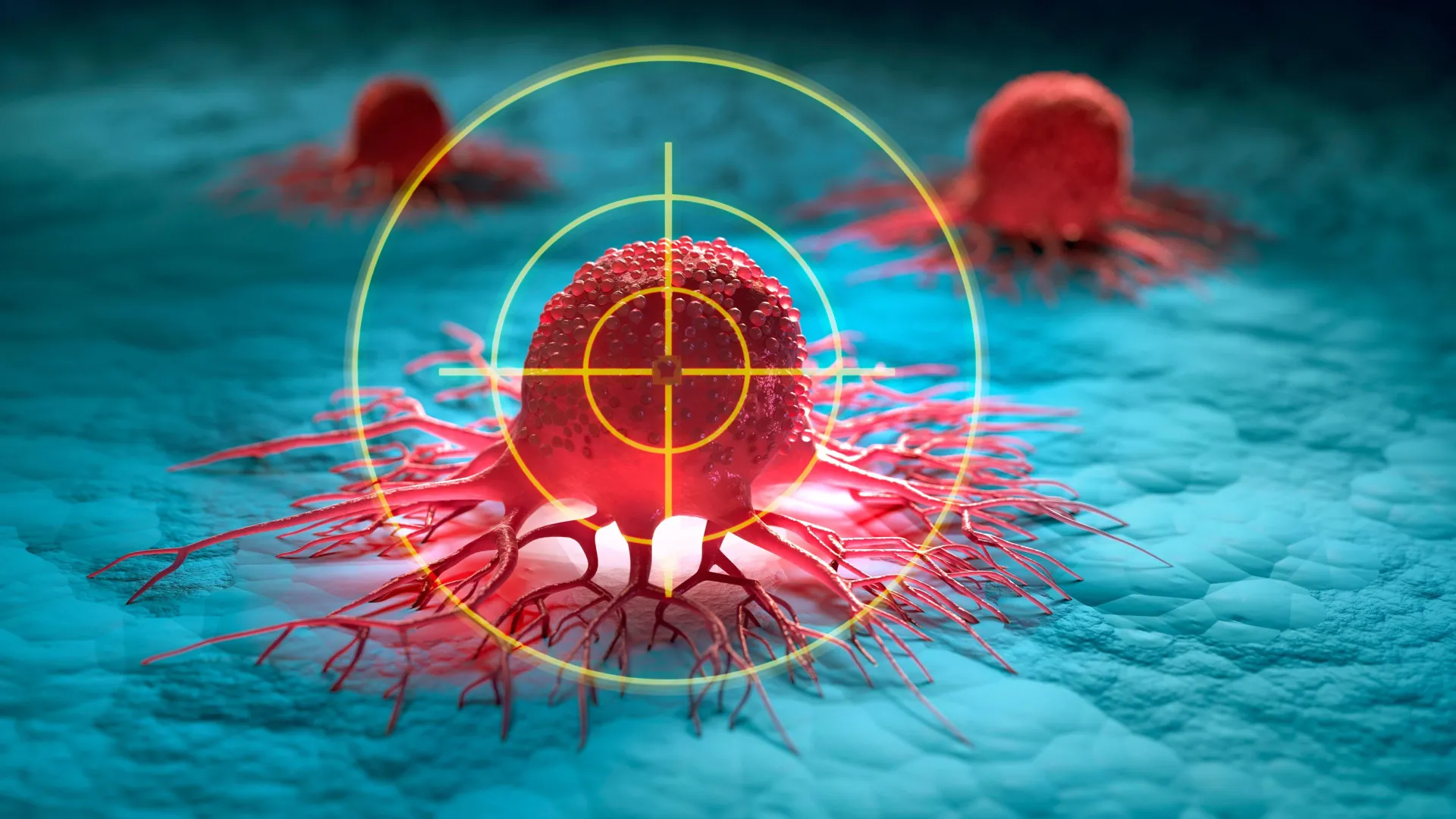
Prostate cancer, a formidable adversary affecting approximately one in eight men over their lifetimes, presents a complex challenge in its metastatic form. While many initially survive, the disease’s capacity to spread and adapt often leads to treatment resistance. In the United States, it stands as the second leading cause of cancer-related mortality among men, underscoring the urgent need for innovative therapeutic strategies. A groundbreaking study from the University of Michigan, published in JCI Insight, has identified a promising dual-drug regimen that targets two critical pathways involved in prostate cancer’s ability to evade conventional treatments. This research not only offers new hope for patients with advanced prostate cancer but also hints at broader applications for other aggressive cancers that undergo similar cellular transformations.
The Evolving Nature of Prostate Cancer: A Battle Against Resistance
At its inception, prostate cancer typically originates in the glandular cells of the prostate, exhibiting gene expression patterns characteristic of these cells. Crucially, the growth of these tumors is often fueled by androgens, such as testosterone. This hormonal dependency forms the basis for a cornerstone of metastatic prostate cancer treatment: androgen receptor inhibitors. These drugs effectively suppress tumor growth in many patients. However, the adaptive nature of cancer means that nearly all patients eventually develop resistance, rendering these therapies less effective.
The mechanism behind this resistance is multifaceted, but a significant factor involves a process known as transdifferentiation. In this phenomenon, prostate cancer cells undergo a dramatic shift in identity. They begin to shed their glandular characteristics, losing the very traits that made them susceptible to androgen-targeted therapies. Concurrently, they activate alternative biological pathways, adopting new cellular identities. This transformation allows the cancer to escape the inhibitory effects of standard treatments and continue its aggressive proliferation.
Unraveling the Genetic Drivers of Transdifferentiation
For years, researchers have observed a correlation between the loss of specific genes, namely TP53 and RB1, and the occurrence of transdifferentiation in prostate cancer. However, the precise molecular mechanisms by which the absence of these genes triggers such a profound change in tumor cell identity remained elusive. The University of Michigan study sought to bridge this knowledge gap.
By examining various prostate cancer cell lines and meticulously analyzing the cellular pathways that become altered in the absence of TP53 and RB1, the researchers gained critical insights. "We saw that there are two sides to this transition: loss of glandular genes and activation of cell programs that cause the identity to switch into stem cells," explained Dr. Joshi Alumkal, Professor of Internal Medicine-Hematology/Oncology and a member of the Rogel Cancer Center at the University of Michigan. This observation highlights that transdifferentiation is not a singular event but a complex process involving the suppression of one set of cellular functions and the activation of another.
A Dual-Pronged Attack: Targeting Both Sides of the Cellular Shift
The University of Michigan team’s prior research had already demonstrated that a class of drugs known as BET bromodomain inhibitors could disrupt the alternative identity programs that prostate cancer cells activate during transdifferentiation. While these inhibitors showed promise in slowing tumor growth, they were not sufficient to halt the cancer’s progression permanently.
Building upon this foundation, the current study investigated a second class of drugs: DNA methyltransferase (DNMT) inhibitors. DNMT inhibitors function by reactivating genes that have been silenced. In the context of transdifferentiated prostate cancer, the researchers were particularly interested in their ability to restore the expression of glandular genes that are typically lost as cancer cells transform. Notably, DNMT inhibitors have already received FDA approval for the treatment of other conditions, including certain types of blood cancer, indicating their established safety profile and therapeutic potential.
The critical breakthrough came when the researchers combined BET bromodomain inhibitors with DNMT inhibitors. This synergistic approach yielded significantly more potent results than either drug used in isolation.
Promising Preclinical Results: Suppressing Tumor Growth
In preclinical experiments, the combination of BET bromodomain inhibitors and DNMT inhibitors effectively suppressed the growth of prostate cancer cell lines. This enhanced efficacy was also observed in studies involving prostate tumors implanted in mice. "When we used both drugs, we reversed a significant portion of gene expression changes that occur in the tumors, which is encouraging," stated Will Storck, Ph.D., a Research Lab Specialist in the Alumkal lab. "It is also promising that we saw a significant reduction in tumor growth even at doses far lower than the recommended dose, and this drug combination was well tolerated by the mice."
The observed success suggests that simultaneously targeting both aspects of the cancer cell transformation – inhibiting the activation of alternative identities and restoring lost glandular gene activity – is a more effective strategy than merely blocking one pathway. This dual-action approach addresses the multifaceted nature of transdifferentiation, offering a more comprehensive assault on resistant cancer cells.
Implications Beyond Prostate Cancer: A Potential Paradigm Shift
The implications of this research extend beyond prostate cancer. The researchers are optimistic that similar therapeutic strategies could be applied to other cancers that exhibit transdifferentiation, such as lung and pancreatic cancers. These aggressive malignancies often present with similar challenges in treatment resistance, making the development of novel approaches a high priority. If this dual-drug combination proves effective in a broader range of cancers, it could represent a significant paradigm shift in oncology.
The Road Ahead: Biomarkers, Prevention, and Clinical Trials
While the preclinical results are highly encouraging, the research team acknowledges that further investigation is necessary before this treatment can be offered to patients. Key priorities include identifying the specific genes that mediate the observed antitumor effects and, crucially, developing biomarkers. These biomarkers would serve to identify patients most likely to benefit from the BET bromodomain and DNMT inhibitor combination, ensuring that the treatment is administered to those who will derive the greatest advantage.
A critical question on the horizon is the potential to prevent transdifferentiation from occurring in the first place. "Preventing the emergence of transdifferentiation would be key to patient survival," Dr. Alumkal emphasized. "Distinguishing between patients whose tumors will never undergo this transition versus patients whose tumors may will help us use this treatment effectively and early." The ability to predict and preempt this resistance mechanism could fundamentally alter the long-term prognosis for many prostate cancer patients.
The team is actively working towards developing clinical trials to evaluate the efficacy of combining BET bromodomain and DNMT inhibitors in patients with transdifferentiated prostate cancer. The success of these trials could pave the way for a new standard of care for a subset of patients with advanced and resistant disease. Furthermore, the exploration of this therapeutic approach for other transdifferentiating cancers will undoubtedly be a significant focus of future research endeavors. This innovative strategy holds the promise of transforming the treatment landscape for some of the most challenging forms of cancer.
