
 By Suherman Candra Maholtra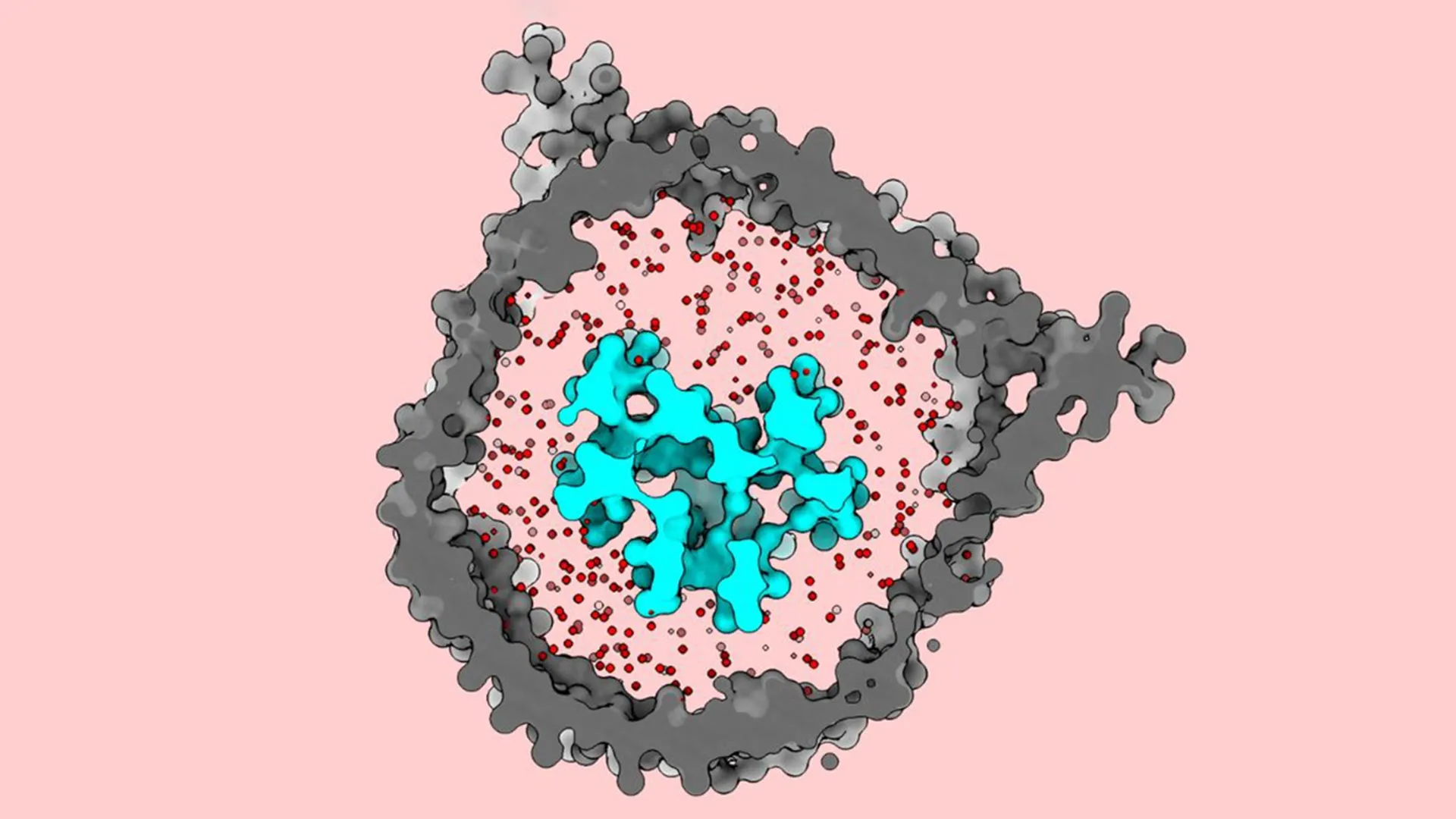
Over the past decade, T cell immunotherapy has fundamentally transformed the oncology landscape, evolving from an experimental frontier to a cornerstone of modern cancer treatment. By leveraging the body’s own immune system to identify and eliminate malignant cells, these therapies have achieved unprecedented success in treating certain blood cancers. However, despite these clinical triumphs, a profound gap has persisted in the scientific understanding of how these treatments function at a foundational molecular level. This "black box" of T cell activation has historically hindered the development of effective treatments for the vast majority of solid tumors, which remain stubbornly resistant to current immunological interventions.
In a landmark study published in Nature Communications, researchers from The Rockefeller University have finally illuminated the internal mechanics of the T cell receptor (TCR), the critical protein complex responsible for triggering the immune response. Led by experts in the Laboratory of Molecular Electron Microscopy, the team discovered that the TCR operates through a "jack-in-the-box" mechanism—a finding that contradicts years of established structural models. By observing the receptor in a meticulously reconstructed environment that mimics the natural human cell membrane, the researchers have provided a blueprint that could allow scientists to re-engineer the next generation of cancer therapies with surgical precision.
The Evolution of T Cell Immunotherapy: A Decade of Progress and Hurdles
The rise of T cell therapies, such as Chimeric Antigen Receptor (CAR) T cell therapy and TCR-engineered therapies, began in earnest roughly ten years ago. These treatments involve extracting a patient’s T cells, genetically modifying them to recognize specific cancer markers, and reintroducing them into the bloodstream. While this approach has yielded high remission rates for patients with B-cell lymphomas and certain leukemias, its efficacy in solid tumors—such as lung, breast, and pancreatic cancers—has been limited.
The primary obstacle has been the TCR itself. As the primary "sensor" of the T cell, the TCR must distinguish between healthy cells and those presenting foreign antigens or mutations. If the TCR is too sensitive, it may attack healthy tissue, leading to severe autoimmune side effects; if it is not sensitive enough, the cancer goes undetected. Until now, the lack of a precise structural model for how the TCR "switches on" upon contact with an antigen has made it nearly impossible for bioengineers to fine-tune this sensitivity. The Rockefeller discovery provides the missing structural data necessary to calibrate these immune responses for a broader range of cancers.
The Discovery: Reimagining the TCR’s Molecular Architecture
The T cell receptor is a highly complex assembly of eight different proteins embedded within the cell membrane. Its primary role is to interact with the Human Leukocyte Antigen (HLA) complex, which acts as a "display case" on the surface of other cells, presenting fragments of proteins (antigens) for inspection.
Previously, structural biology studies suggested that the TCR remained in an "open" or extended configuration even when dormant. It was widely believed that the binding of an antigen did not induce a significant change in the receptor’s physical shape, but rather triggered signaling through other, less obvious means. However, the Rockefeller team, using advanced cryogenic electron microscopy (cryo-EM), revealed a much more dynamic reality.
"The T cell receptor is really the basis of virtually all oncological immunotherapies, so it’s remarkable that we use the system but really have had no idea how it actually works," noted Thomas Walz, a world-renowned expert in cryo-EM imaging and the head of the Laboratory of Molecular Electron Microscopy. His team’s research demonstrated that in its resting state, the TCR is actually folded into a compact, closed position. When it encounters a suspicious antigen, it undergoes a dramatic conformational shift, springing outward like a jack-in-the-box. This physical extension is what transmits the "attack" signal from the outside of the cell to the internal signaling machinery.
Overcoming Technical Limitations: The Role of the Nanodisc
The breakthrough was made possible by a shift in how membrane proteins are studied. Traditionally, researchers used detergents to extract proteins from cell membranes to make them easier to image. However, detergents often strip away the lipid molecules that surround and stabilize the protein. This process, it appears, was inadvertently forcing the TCR into an artificial "open" state in previous studies, leading to a decade of misconception.
To rectify this, the Rockefeller team employed "nanodiscs"—tiny, disc-shaped sections of membrane held together by scaffold proteins. This allowed them to observe the TCR within a lipid bilayer that closely resembles the environment of a living human cell.
"It was important that we used a lipid mixture that resembled that of the native T cell membrane," Walz explained. "If we had just used a model lipid, we wouldn’t have seen this closed dormant state either." The team found that the pressure and chemical environment provided by the natural lipids are what keep the TCR "coiled" and ready to spring. Without the membrane, the "spring" of the jack-in-the-box is released prematurely, which is why earlier models failed to capture the receptor’s true resting state.
From Clinic to Lab: The Chronology of a Breakthrough
The impetus for the study came from the clinical frustrations of Ryan Notti, the study’s first author and an instructor in clinical investigation in Walz’s lab. Notti, who also treats patients with sarcomas at Memorial Sloan Kettering Cancer Center (MSK), witnessed firsthand the limitations of current immunotherapies. Sarcomas, which are cancers of the bone and soft tissue, are notoriously difficult to treat with standard T cell therapies.
"Determining [how the TCR functions] would help us understand how the information gets from outside the cell, where those antigens are being presented by HLAs, to the inside of the cell, where signaling turns on the T cell," Notti stated.
The research timeline reflects a deep integration of clinical observation and basic science:
- Early 2010s: T cell therapies gain FDA approval for liquid tumors, but researchers struggle to replicate success in solid tumors.
- 2018-2020: Notti, transitioning from structural microbiology to oncology, identifies the lack of a functional TCR model as a primary bottleneck in sarcoma research.
- 2021-2023: The Walz lab develops custom nanodisc environments to recreate the T cell membrane. The team spends years overcoming the technical challenge of assembling all eight TCR proteins into a single nanodisc.
- 2024: Cryo-EM imaging successfully captures the "closed" and "open" states, leading to the publication of the findings in Nature Communications.
Supporting Data: The Complexity of the TCR Complex
The TCR’s eight-protein assembly is one of the most intricate signaling complexes in human biology. The Rockefeller study highlighted several key data points regarding its activation:
- Conformational Change: The transition from the "closed" to "open" state involves a significant vertical extension, moving parts of the receptor several nanometers away from the cell surface.
- Lipid Specificity: The study found that specific phospholipids and cholesterol levels within the T cell membrane are essential for maintaining the "jack-in-the-box" tension.
- Activation Threshold: By identifying the mechanical steps of the "spring" action, the researchers discovered that the TCR has a built-in threshold to prevent accidental firing. This explains why minor, non-threatening interactions with healthy cells do not trigger a full immune response.
Industry and Scientific Reactions
The discovery has sent ripples through the biotechnology and immunology communities. While official statements from pharmaceutical giants are pending, independent researchers have noted that this provides a long-sought structural "target" for synthetic biology.
"This is a game-changer for TCR-T therapy design," says one independent immunologist. "We have been flying blind, trying to engineer receptors without knowing their resting state. Now we have a physical mechanism to manipulate."
The findings are expected to influence the design of "next-generation" immunotherapies. By understanding the mechanical "on switch," scientists can now look for ways to lower the activation threshold for "cold" tumors (those that the immune system usually ignores) or raise it for patients at risk of cytokine release syndrome, a dangerous overreaction of the immune system.
Broader Implications: Beyond Cancer Treatment
The implications of the "jack-in-the-box" discovery extend far beyond oncology. The TCR is the central regulator of the adaptive immune system, meaning these findings have direct relevance for:
- Autoimmune Disease Research: In diseases like multiple sclerosis or Type 1 diabetes, T cells mistakenly attack the body. Understanding how the TCR springs open could allow for the development of drugs that "lock" the receptor in its closed, dormant state.
- Vaccine Design: As Walz noted, the details of how different antigens interact with the TCR can help in designing vaccines that elicit a more robust and precise T cell memory response.
- Synthetic Immunology: Scientists can now use these structural insights to create entirely synthetic receptors that do not exist in nature, potentially allowing T cells to be programmed to detect environmental toxins or specific markers of aging.
Conclusion: A New Era of Precision Immunotherapy
The work conducted at The Rockefeller University marks a pivotal shift in the field of molecular biology. By revealing that the T cell receptor is a dynamic, mechanical machine rather than a static sensor, Walz, Notti, and their colleagues have provided the scientific community with a powerful new tool.
"This is some of the most important work to ever come out of my lab," Walz remarked, emphasizing the gravity of the find. As researchers begin to apply these structural insights to clinical trials, the hope is that the "jack-in-the-box" mechanism will be the key to unlocking treatments for the millions of cancer patients for whom immunotherapy was previously an unreachable promise. The next decade of cancer treatment will likely be defined by the ability to tune these molecular springs, turning the body’s most potent defense into a perfectly calibrated weapon against disease.
