
 By admin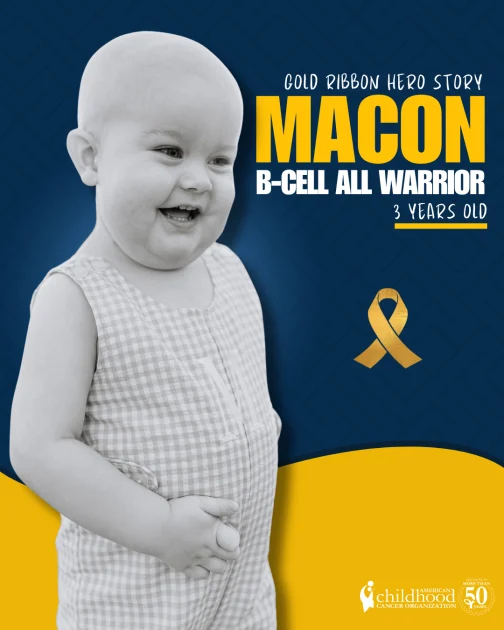
The Clinical Onset and Immediate Medical Response
The diagnosis of B-Cell Acute Lymphoblastic Leukemia in a child who appeared asymptomatic underscores the critical importance of routine pediatric screenings. B-ALL is a malignancy that originates in the bone marrow, where the body produces an overabundance of immature lymphocytes, known as lymphoblasts. These abnormal cells eventually crowd out healthy red blood cells, white blood cells, and platelets, leading to a host of systemic issues. In Macon’s case, the lack of outward symptoms—such as bruising, lethargy, or frequent infections—made the laboratory findings particularly shocking for his parents.
Upon arrival at the hospital, Macon’s medical team moved swiftly to stabilize his condition and begin the staging process. The initial shock described by his mother, Madeline, reflects a common experience among families of pediatric cancer patients. "In a matter of hours, our entire lives changed," she noted. "We went in expecting a normal well visit and left facing a life-changing diagnosis. It felt unreal, especially since Macon had no symptoms and seemed perfectly healthy." This "unreal" feeling is often compounded by the speed at which treatment must begin for acute leukemias, which can progress rapidly if left untreated.
Challenges in the Early Phases of Treatment
Macon’s journey into the world of pediatric oncology was complicated early on by secondary medical issues. Shortly after his diagnosis, he underwent the surgical placement of a port-a-cath—a small medical appliance installed beneath the skin to allow easy access for chemotherapy and blood draws. However, the procedure was marred by a serious staph infection in his bloodstream, a common but dangerous complication for immunocompromised oncology patients. This necessitated the removal and eventual replacement of the port, adding a layer of physical and emotional strain to the toddler’s initial treatment phase.
The standard of care for B-ALL involves a multi-phased approach, beginning with induction therapy designed to achieve remission. For Macon, this has included intensive chemotherapy regimens and frequent lumbar punctures. Lumbar punctures, often referred to as spinal taps, are essential in leukemia treatment to ensure that cancer cells have not migrated to the central nervous system. During these procedures, chemotherapy drugs are often injected directly into the cerebrospinal fluid as a prophylactic measure.
In addition to these procedures, Macon has undergone multiple bone marrow biopsies. These biopsies are critical for monitoring the "burden" of the disease—the percentage of leukemic cells remaining in the bone marrow. These metrics guide oncologists in adjusting the intensity of the chemotherapy to maximize efficacy while attempting to mitigate long-term toxicity.
Understanding B-Cell Acute Lymphoblastic Leukemia
B-Cell Acute Lymphoblastic Leukemia is the most common form of childhood cancer, accounting for approximately 75% to 80% of all pediatric leukemia cases. While the diagnosis is devastating, advancements in medical research over the last several decades have significantly improved the prognosis for children like Macon. According to the American Cancer Society and the National Cancer Institute, the five-year survival rate for children with ALL has risen from less than 10% in the 1960s to approximately 90% today.
The "B-Cell" designation refers to the specific type of white blood cell affected. B-cells are responsible for producing antibodies to fight infections. When these cells become malignant, they fail to mature and instead replicate uncontrollably. The treatment for this condition is notably long, typically lasting between two and three years, to ensure that every trace of the malignancy is eradicated and to prevent relapse.
Current Status and the Path to May 2027
Currently, Macon is in the midst of a long-term chemotherapy protocol that is expected to span a total of two and a half years. Despite the rigors of his medical schedule, which includes weekly blood work and a lumbar puncture every six weeks, his family reports that he has shown remarkable resilience. Madeline shared that Macon has completed his first full year of treatment and has tolerated the chemotherapy remarkably well.
"His weekly blood work continues to show no circulating leukemia cells and his treatment is working as expected," Madeline stated. The absence of circulating leukemia cells—often referred to as being in clinical remission—is a significant milestone, though it does not signal the end of treatment. In pediatric ALL, the "maintenance" phase of chemotherapy is vital for targeting any residual, undetectable cells that could lead to a recurrence.
Macon’s daily life remains a balance between the demands of his medical care and the needs of a growing three-year-old. He is described as a playful child who enjoys outdoor activities, playing with his sister, and riding toys. This maintenance of a "normal" childhood environment is frequently cited by child life specialists as a key component in the psychological well-being of young cancer patients. If Macon’s progress continues on its current trajectory, he is scheduled to complete his therapy and participate in the traditional "ringing of the bell" in May 2027, signaling the end of his active cancer treatment.
The Broader Impact of Pediatric Cancer on Families
The case of Macon highlights the significant burden placed on the families of the nearly 15,000 children and adolescents diagnosed with cancer each year in the United States. Beyond the immediate health crisis, families face logistical challenges, including frequent hospitalizations, the management of complex medication schedules at home, and the constant threat of infection.
Organizations such as the American Childhood Cancer Organization (ACCO) play a pivotal role in supporting these families. The ACCO provides resources, advocacy, and community support to help navigate the complexities of a childhood cancer diagnosis. The phrase "Kids can’t fight cancer alone" serves as a reminder that the support of the broader community, through blood donations, research funding, and emotional support, is essential for the success of patients like Macon.
Analysis of Implications for Pediatric Healthcare
Macon’s story serves as a potent case study for several aspects of modern pediatric healthcare:
- The Efficacy of Routine Screening: The fact that Macon’s leukemia was caught during a routine checkup, despite a lack of symptoms, validates the necessity of regular pediatric visits and basic blood screenings. Early detection remains one of the most effective tools in improving cancer outcomes.
- Advancements in Protocols: The ability of a three-year-old to undergo intensive chemotherapy and return to "playful" behavior is a testament to the refinement of pediatric oncology protocols. Modern treatments are increasingly tailored to the genetic profile of the cancer, allowing for more targeted and less broadly toxic therapies.
- The Long-Term Commitment of Care: The 2.5-year timeline for ALL treatment reflects the conservative and thorough nature of pediatric oncology. The goal is not just to eliminate the cancer but to ensure it never returns, requiring a sustained commitment from healthcare providers and family members alike.
Conclusion
As Macon moves into the second half of his treatment journey, his case remains a beacon of hope for other families facing similar diagnoses. While the initial discovery was a moment of profound shock and disbelief, the subsequent year of successful treatment demonstrates the power of modern medicine and the resilience of the human spirit. The medical community continues to monitor Macon’s progress closely, with the ultimate goal of reaching that May 2027 milestone.
His story is not just one of a medical battle, but of the critical infrastructure of pediatric care—from the watchful eye of a primary care physician to the specialized interventions of oncology teams. For now, Macon continues to do what three-year-olds do best: play, laugh, and grow, all while carrying the title of a B-Cell Acute Lymphoblastic Leukemia warrior. The journey toward May 2027 continues, supported by a family’s hope and a medical team’s expertise, proving that even in the face of a life-changing diagnosis, there is a path forward toward recovery.
